

WEEKLY INTAKE 29
SUPREME CLIENTELLE 2. PARIS RESTAURANTS. THE WEEKND’S CATALOG FOR $1B. BOTTEGA’S SET DESIGN. $160 LIPSTICK. CRACKER BARRELL. ART MARKET EVOLUTION. JP MORGANS HEADQUARTERS. AI ROI.

“Birds born in a cage think flying is an illness.”
― Alejandro Jodorowsky
SUPREME CLIENTELLE 2
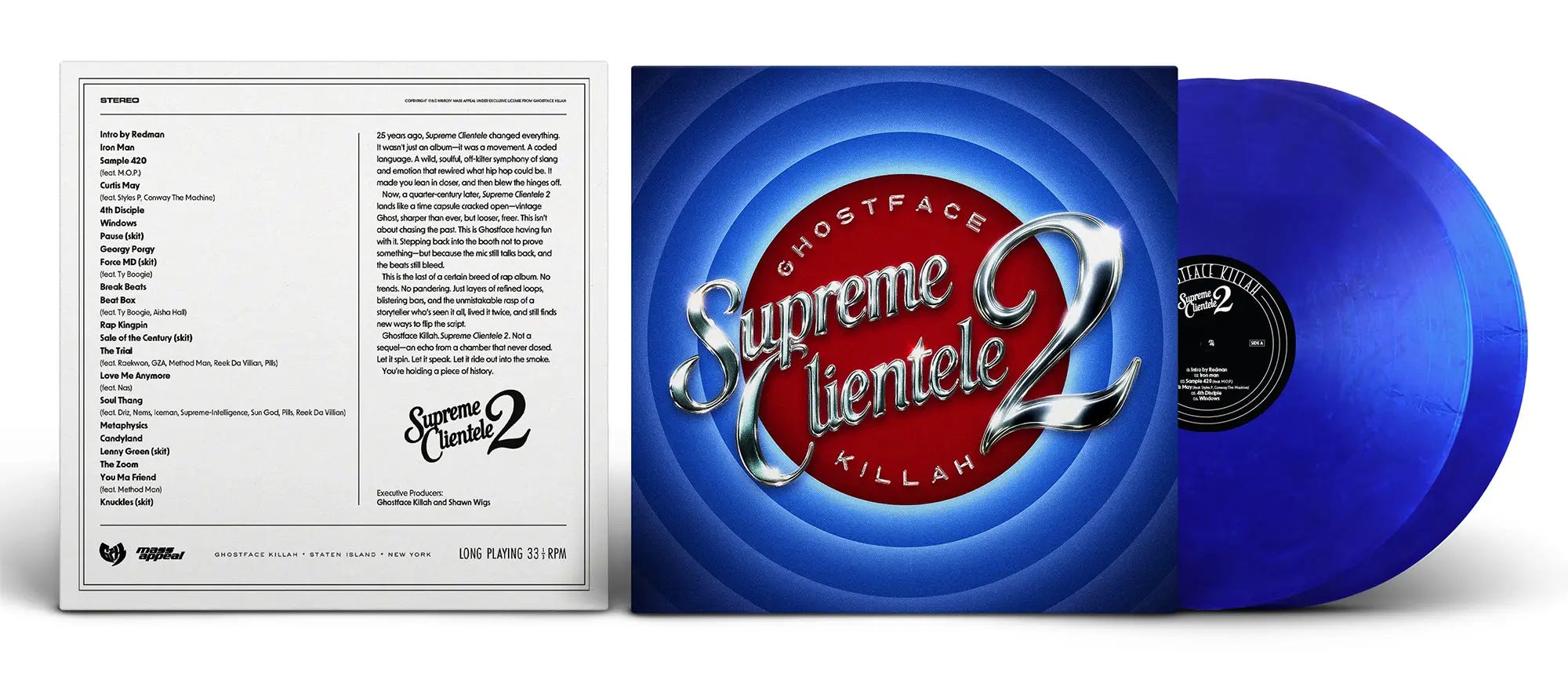
25 years after Supreme Clientele, Ghostface returns. This is time machine real rap. Tony Starks brings you back to ’96, ’88, its fun, its soulful, it on repeat for me right now.
Part of Mass Appeal Records’ “7 albums,” set to include Nas + Premier, Mobb Deep, De La Soul, Big L & Raekwon, and something unannounced…
“This is the last of a certain breed of rap album. No trends. No Pandering.”
Mass Appeal as an independent label has an incredible product lineup right now. Peep their site; it feels like stepping back in time to the best era of rap, the ’96–’00s.
PARIS RESTAURANTS
These past two weeks, I’ve been on a family vacation. We started with a week in Paris, where we can drop our kids off with my wife’s parents, allowing us time together and to explore new and classic places.
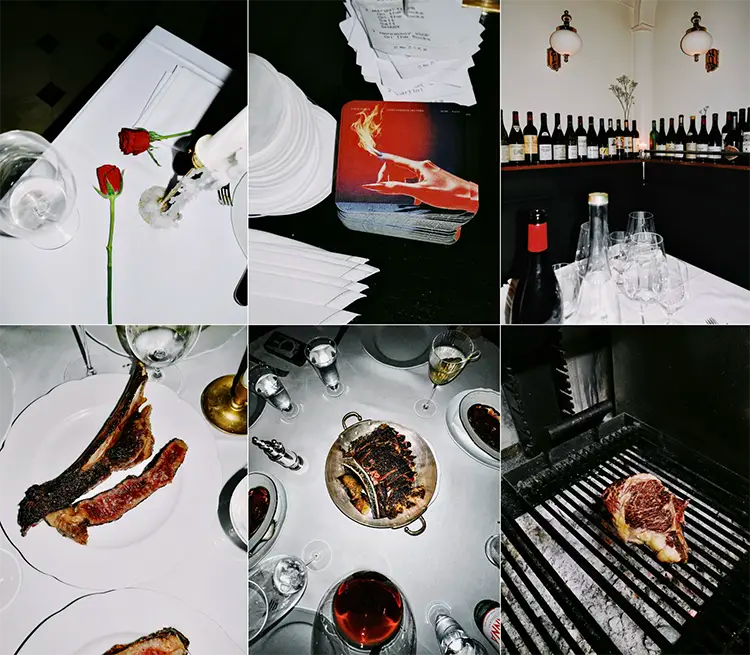
Nadia wrote a beautiful piece on our whole itinerary; highly recommended for those looking for some amazing meals.
Standouts:
Shangri-La - My new favorite hotel, location is perfectly removed from tourists, impeccable service, and incredible pool.
La Grande Epicerie - Personally, the best grocery experience I’ve had on earth.
Sugaar - A staple, amazing old / new vibes with Basque-inspired cuisine; opening a Los Angeles location soon.
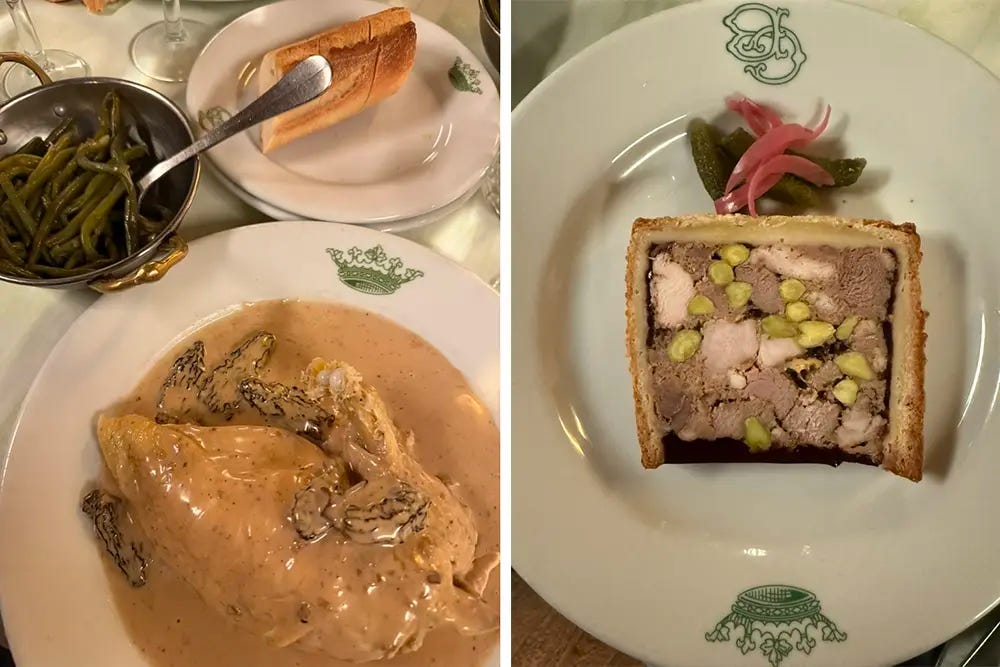
Aux Crus de Bourgogne - Classic French. The chicken in mustard sauce…
THE WEEKND’S CATALOG FOR $1B
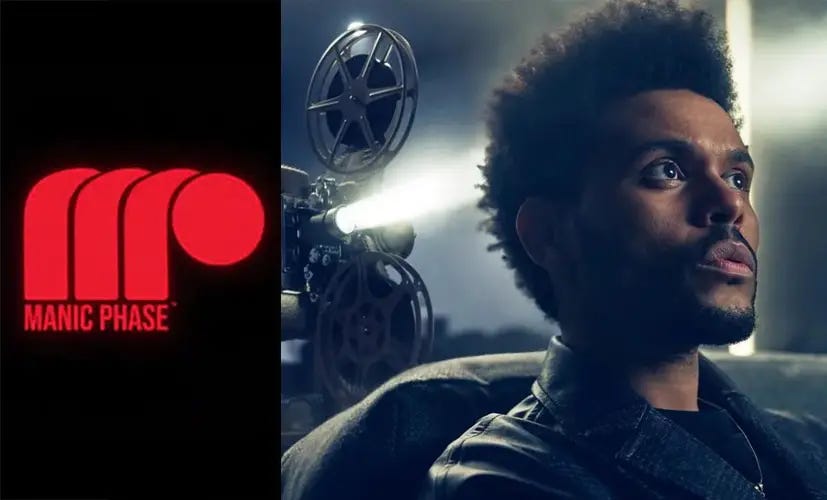
Betting on yourself. The Weekend is exploring a deal to Raise $1 Billion Backed by His Music. Lyric Capital Group is leading the conversation to provide the financing package, which, if it goes through, would be one of the largest music rights–backed deals for an individual artist.
It’s an interesting play. He’s not selling his catalog; he’s taking a marker out and betting that he could invest or build more value with that money.
Manic Phase is the likely capital allocation for Abel Tesfaye’s production company.
ROBERT PATTINSON’S BLOCKBUSTER RUN
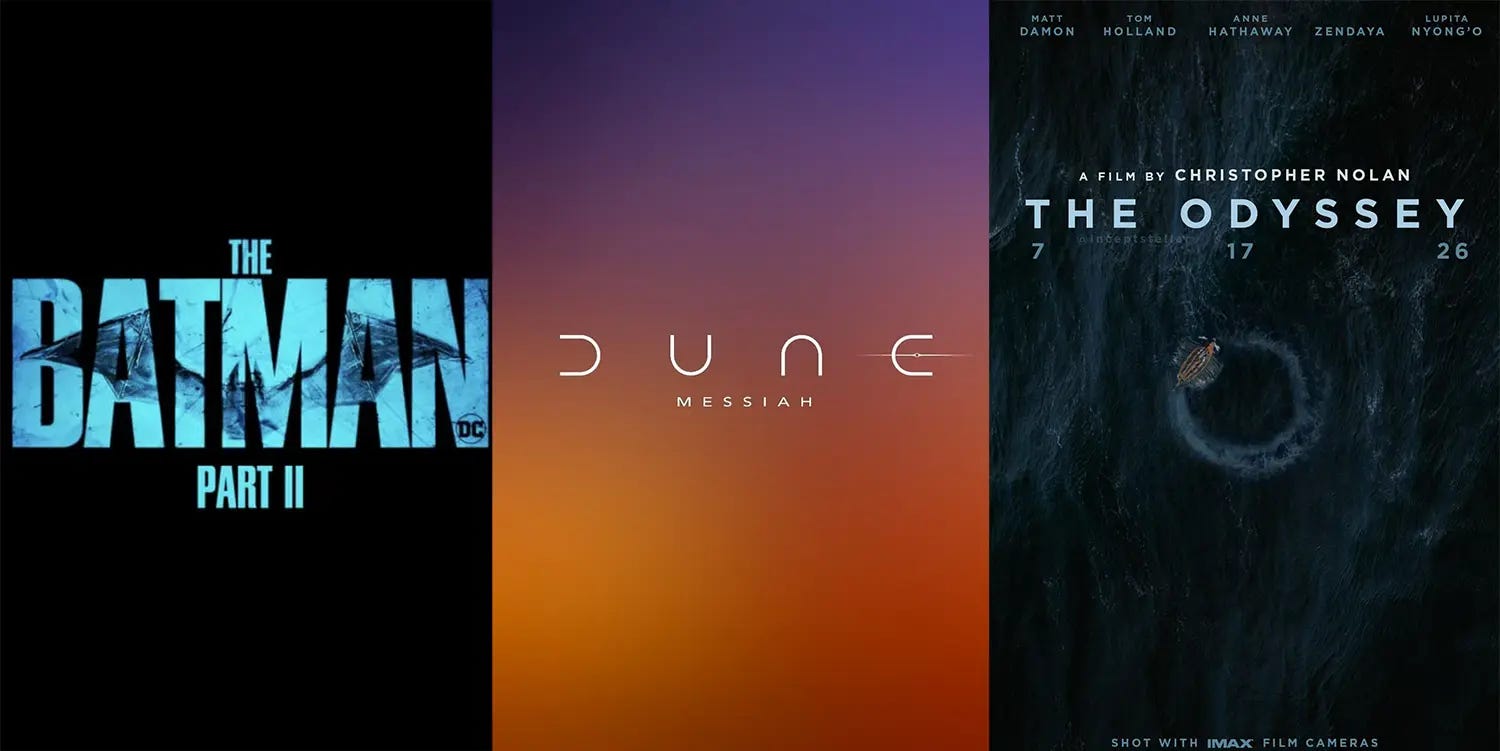
Three of 2026’s biggest blockbusters will all include Robert Pattinson. He’ll shoot Dune, Messiah, and Batman II back to back, while also showing up as the Greek god Hermes in the Odyssey.
Much respect for his career trajectory, which segued from Harry Potter and Twilight, providing him with the financial means to become highly selective, take on esoteric roles, and build a significant body of work. Good Time, The Lighthouse, The King, Devil All the Time, Tenet, and Boy in the Heron over the past 8 years is an impressive run.
This week, I’m particularly interested in the practical—those going the distance to physically create in a digitally dominated creative era.
BOTTEGA’S SET DESIGN
Going the distance in building physically in a time when many would attempt to create this simple scene in CGI.
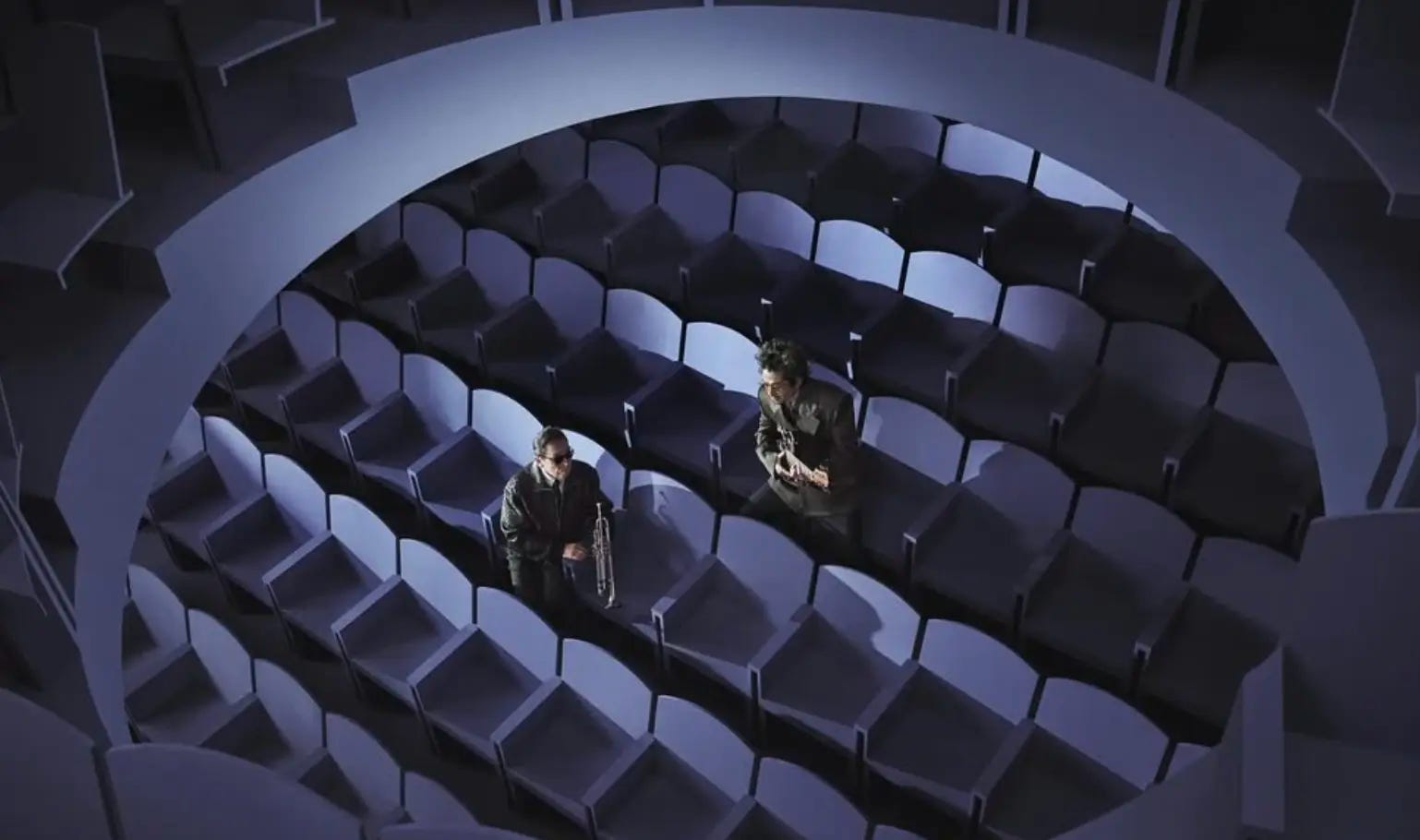
A Japanese exclusive from Bottega caught my eye last week, specifically the set design.
“When your own initials are enough” brings together two cultural icons, Tamori and Daiki Tsuneta. Tamori is one of Japan’s most iconic comedic figures and talk show hosts. Daiki is the frontman of the rock band King Gnu and also runs the creative label PERIMETRON, credited with creative direction on this campaign.
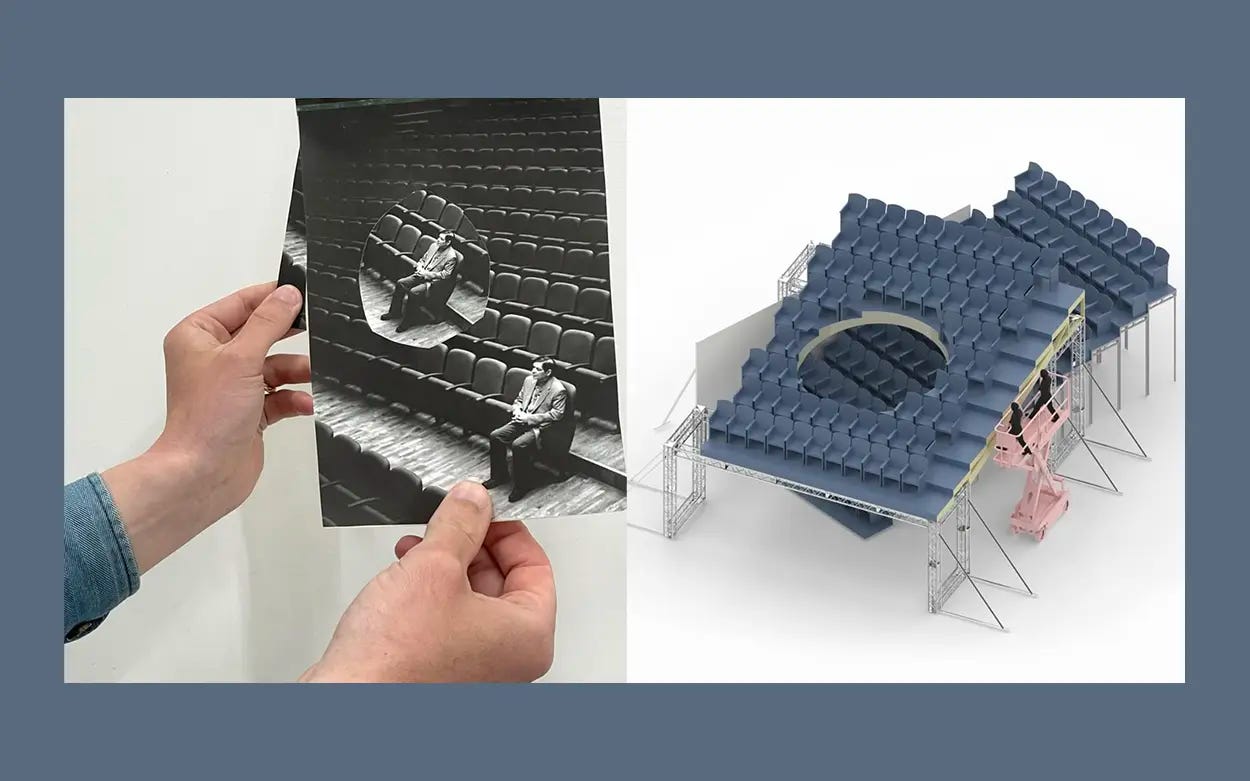
Some incredible talent touched this project. Especially the set design by J-A-M and art direction by Rak ラク harouippu. This wasn’t an existing structure; this was thoughtfully designed and built for the desired optical illusion.
KODY PHILLIPS LOVE HURTS
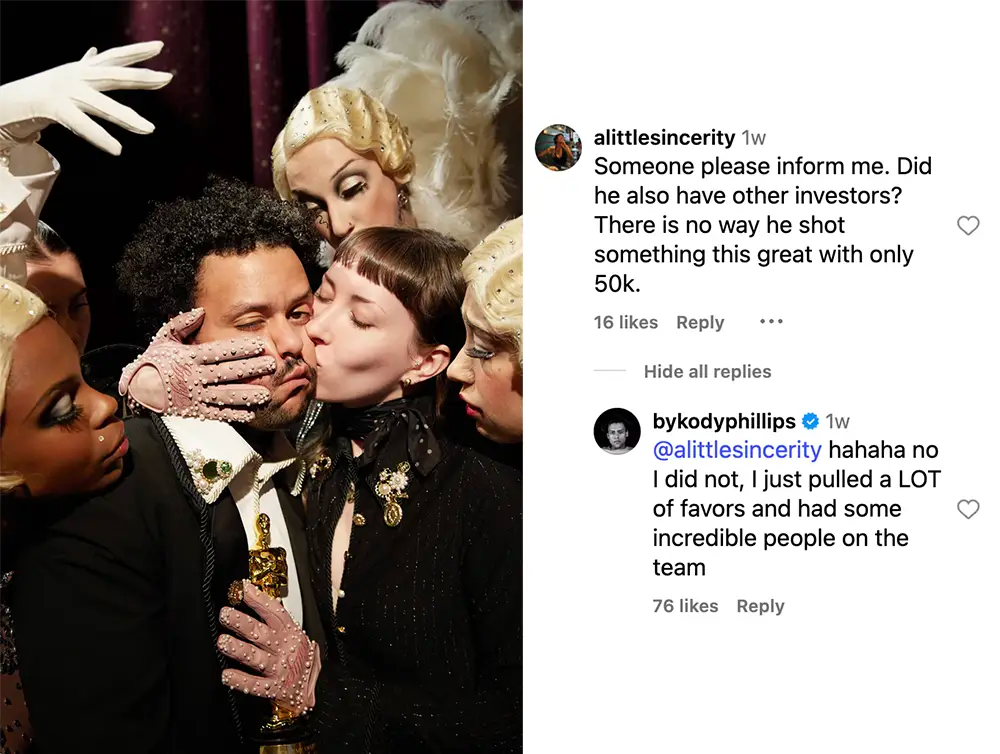
The New York designer’s film blew me away for accomplishing this level of production value for $50k. There’s like 50 extras in this, multiple scenes, all the stuff. You can tell the passion and effort he puts into these films.
LIAM MACRAE’S STONE ISLAND WORK
Liam MacRae went the distance for the newest Stone Island navigation campaign shot in the Bahamas. Practical set builds, real sharks, it gives me Fugees, “Ready or Not,” vibes. Across the board, I’ve loved everything he’s been doing for them, extending the campaign which began in 23’ with helicopter drops, military k9s, and co-branded G wagons. Action hero lifestyle.

Greg Yaro on the production design.
$160 LIPSTICK
Luis Vuitton launched their beauty line with a price point 3x Chanel, and double the priciest competitor (Hermes). Lipsticks at $160 in a time when the luxury sector at large is under extreme pressure is a bold move. It’s a doubling down on divergence, and stepping away from ‘aspirational’ consumers altogether.
While the product pricing garnered a lot of attention last week, their first editorial for W China, shot by Leslie Zhang, is stunning, receiving high praise across the board.


Beauty products like face creams and luxury skincare are able to justify high prices for perceived value in ingredients, while such a high price for lipstick may be a harder sell.
If LV can pull it off, the margins will be incredible.
CRACKER BARRELL
There is a curse of rebrand with beloved products; Tropicana knows this and Jaguar just learned this, which resulted in the CEO stepping down.
This Cracker Barrel rebrand so quickly became a political flashpoint that I also want to acknowledge a very real phenomenon of the “pile-on,” when criticism takes a life of its own and everyone tertiary to marketing (or not) jumps on the momentum of hating on said change. All of a sudden, people have a lot to say about brands they probably weren’t even thinking about (see Jaguar).
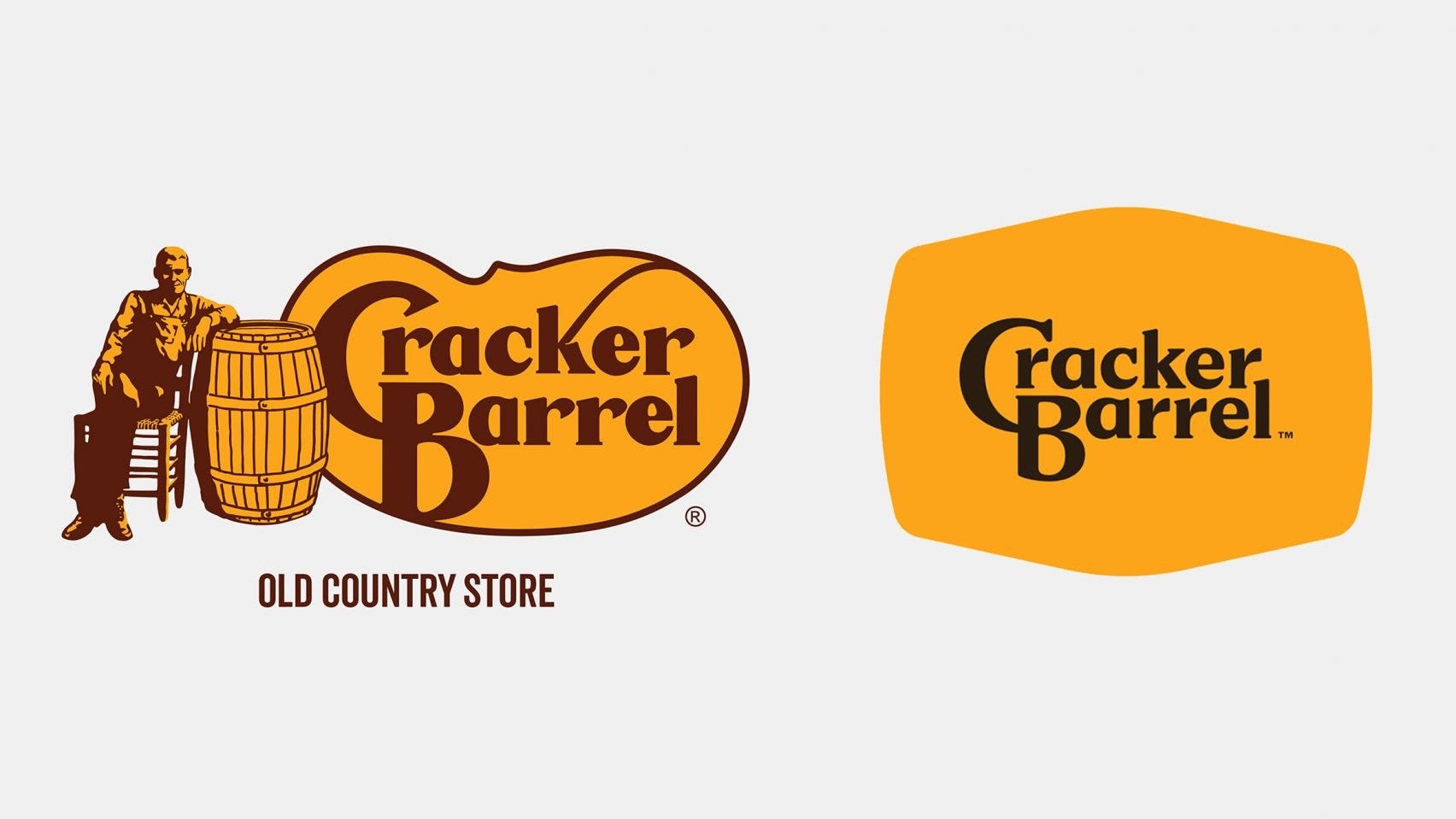
Within a week, this rebrand had everyone from Kara Swisher to Gavin Newsom to Trump weighing in. It’s become about more than a logo, with people arguing it’s another example of corporate sanitization of heritage.
The counterpoint is “who cares” (see Kara Swisher). The chain had been losing traffic and sales over the past few years, down 19% last year. Its core demographic skews older and will age out. Julie Felss Masino, the chain’s new CEO, comes from Starbucks and Taco Bell. She’s been pushing an initiative to modernize everything from menu items to décor, trying to acquire a new demographic outside retirees.
The logo premiere was met with significant backlash and a 7% ($94 million) stock drop in a day. However, prior to this rebrand eruption, the stock was up 32% over the past 12 months.
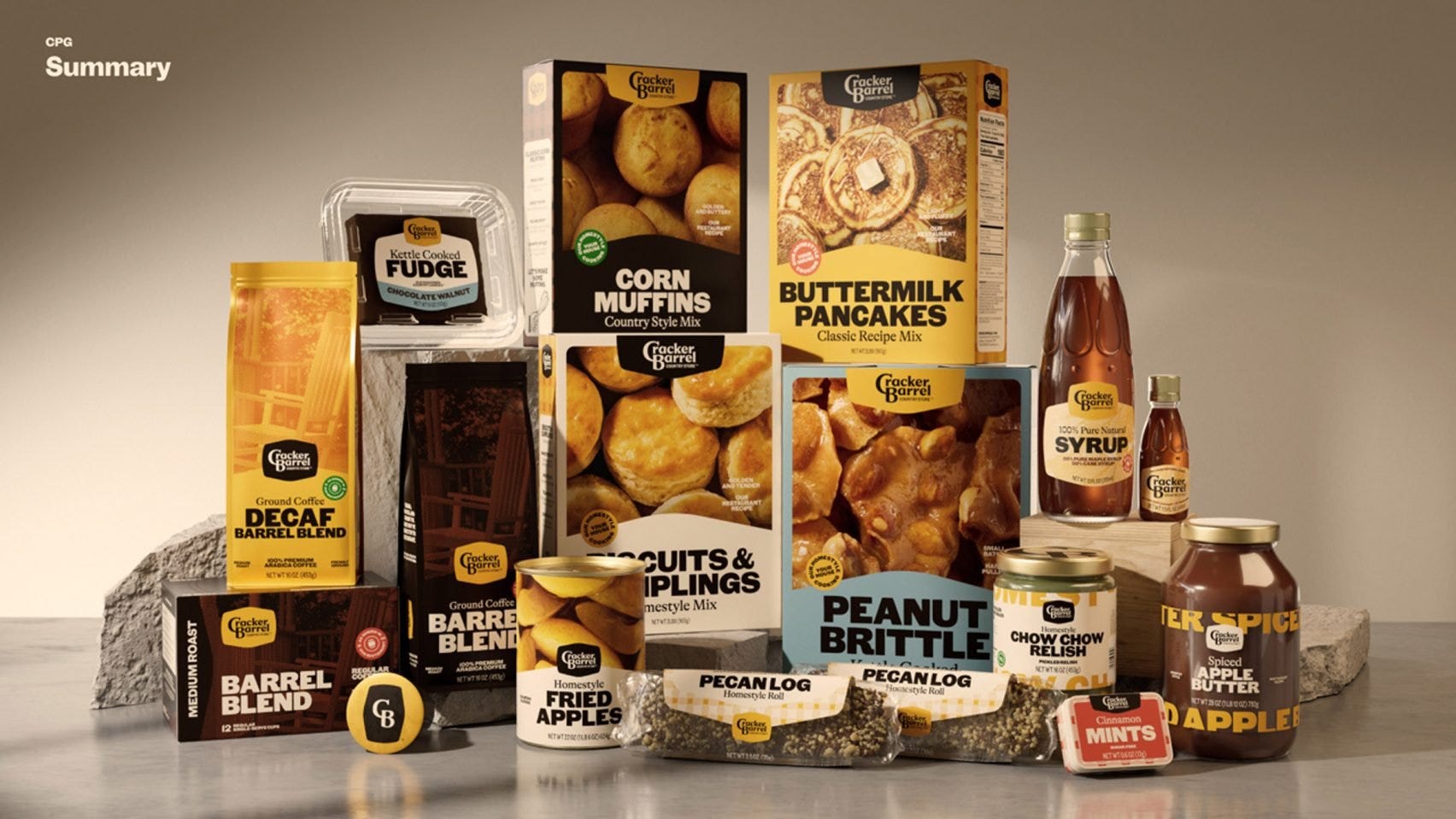
Taking the politics out of this, the old logo was classic… nothing about it needed to change. It was quirky. Cracker Barrel is one of those things that’s just embedded in your psyche when you think of road trips anywhere south of the Mason-Dixon. The new direction feels like a Dig Inn.
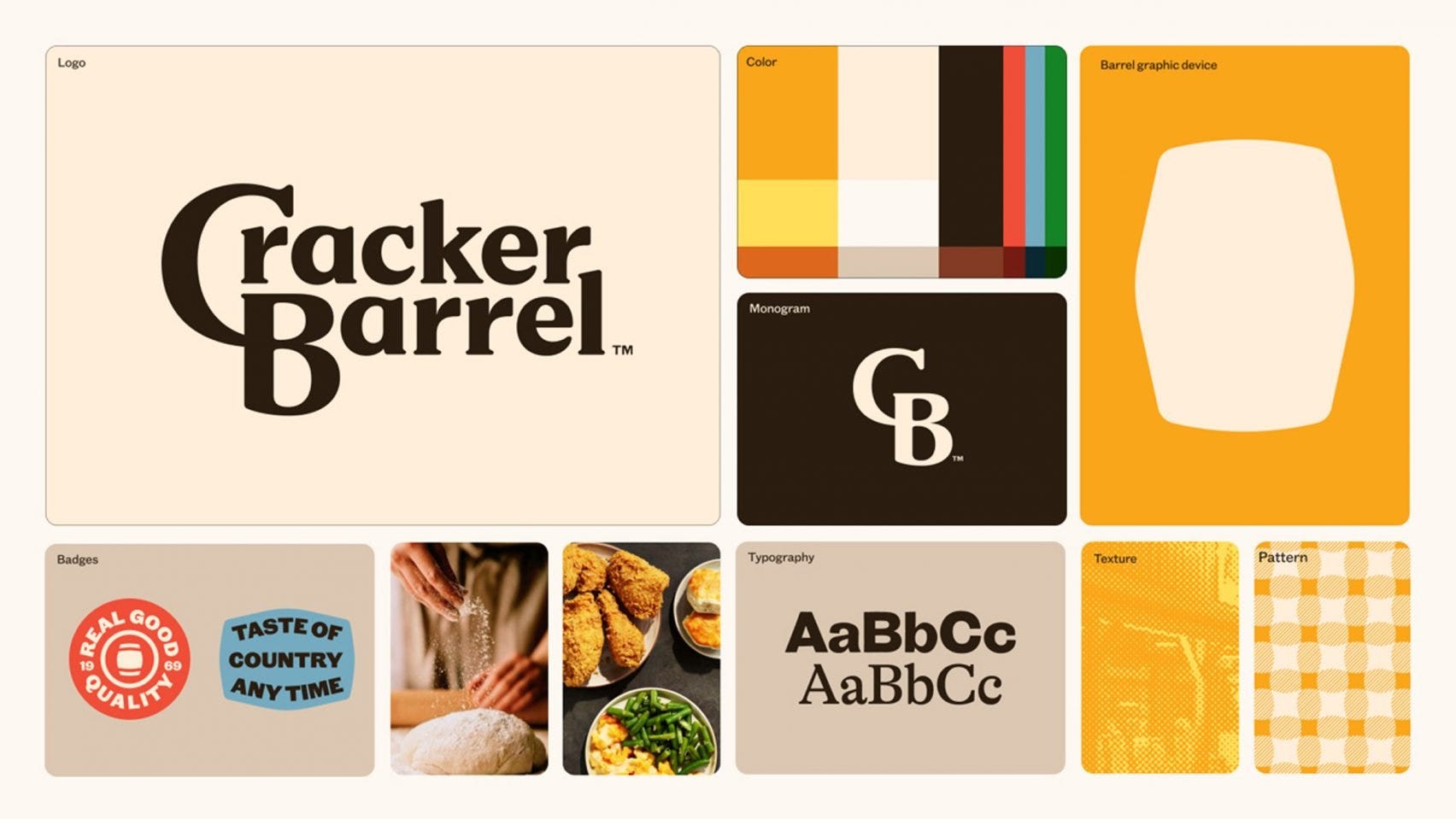
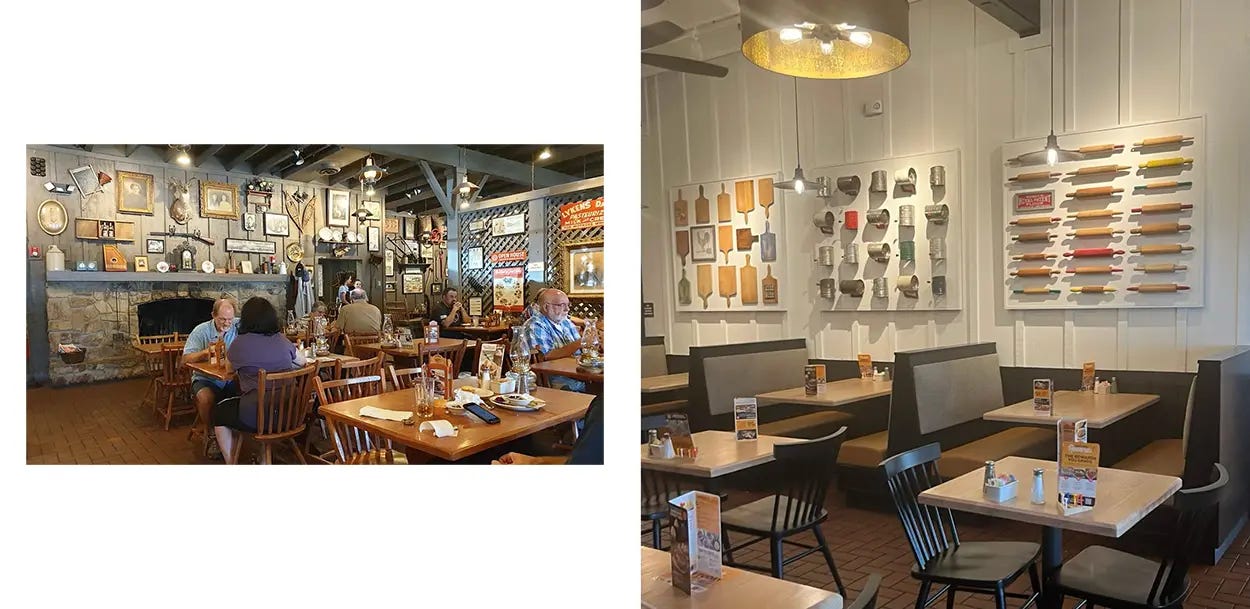
I’m more against a general sameness in design trends that strips soul. Not every fast casual restaurant needs to be Scandinavian minimal. The brand actually does hundreds of millions in sales of all those tchotchkes (although tariffs apparently put pressure on them). The remodels feel cold, and left fans ‘heartbroken’ (WSJ). It clearly looks like an attempt to reduce decor costs through a ‘clean’ approach.
My rabbit hole on this all led me to a theory that PE is behind these brand strip-downs, as they own the land beneath the properties, and it’s easier to re-lease the building when it’s not so specifically branded to a particular brand DNA. More homogeneous architectural branding makes flipping the property easier, and could be why major chains from McDonald’s to Domino’s have all done this. See the movie The Founder about Ray Kroc (played by Michael Keaton).
It has the feeling of a marketing push that wants to change their demographic, but overall the design system feels like a millennial DTC brand now.
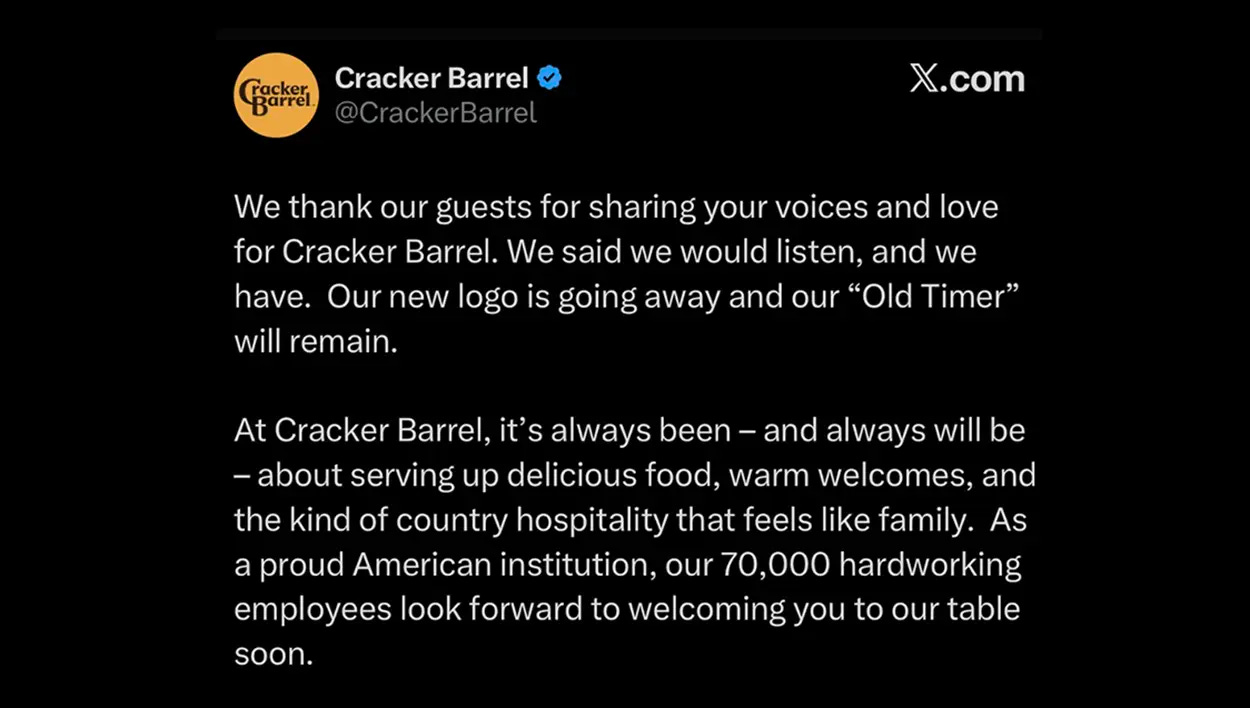
The brand released a statement after the backlash, initially pressing forward with supporting the new brand direction. However, a few days later they announced it would be reverting to its original logo.
“We know we won’t always get everything right the first time, but we’ll keep testing, learning, and listening to our guests and employees,”
The New York City pop-up that rolled out in the middle of this almost feels like a punchline. It just feels so far off from the soul of the brand, and an expensive endeavor as well.
THE FUTURE OF THE GALLERY’S VALUE PROPOSITION
The art market has endured a two-year sentiment shift on the business side, so much so that the negative coverage has become redundant.
Weak sales, high operational costs, and a general deflation of art speculation have created a plethora of coverage across all aspects of struggles in the art market. From Artsy’s market report at the top of the year, through auction season, and into the multitude of major galleries shuttering this summer, it’s been a reckoning. Even Hypebeast has weighed in on the “slow death of the contemporary gallery."
Q4 fairs and December’s art week in Miami will be the next bellwether. This week, Artnews reported on soft initial applications for NADA, with some saying it’s potentially a 40% drop from last year.
The market closely follows larger economic conditions. The ’90s saw massive contraction in the art market, and dozens of significant New York galleries closed in 2008.
There is a silver lining: all this breakage can usher in change and new market opportunities. 2008 saw a globalization of the market through the rise in fairs, as well as the early stages of a digital marketplace breaking down the gallery system’s walls. This was the period in which Artsy emerged.
Market contractions lead to disruption and the evolution of old systems. See Maxwell Rabb’s piece in Artsy on how the market can evolve for the better.
For artists, I hope the pressure on galleries changes the gatekeeping. The white cube and 50% commission model must prove value. Social media and digital-first platforms have created an ability for collectors and artists to have direct communication — something galleries fought against.
Collector syndicates are now funding production directly to artists as well. I’ve heard galleries are taking less risk right now, tightening programs, planning to reduce fair participation.
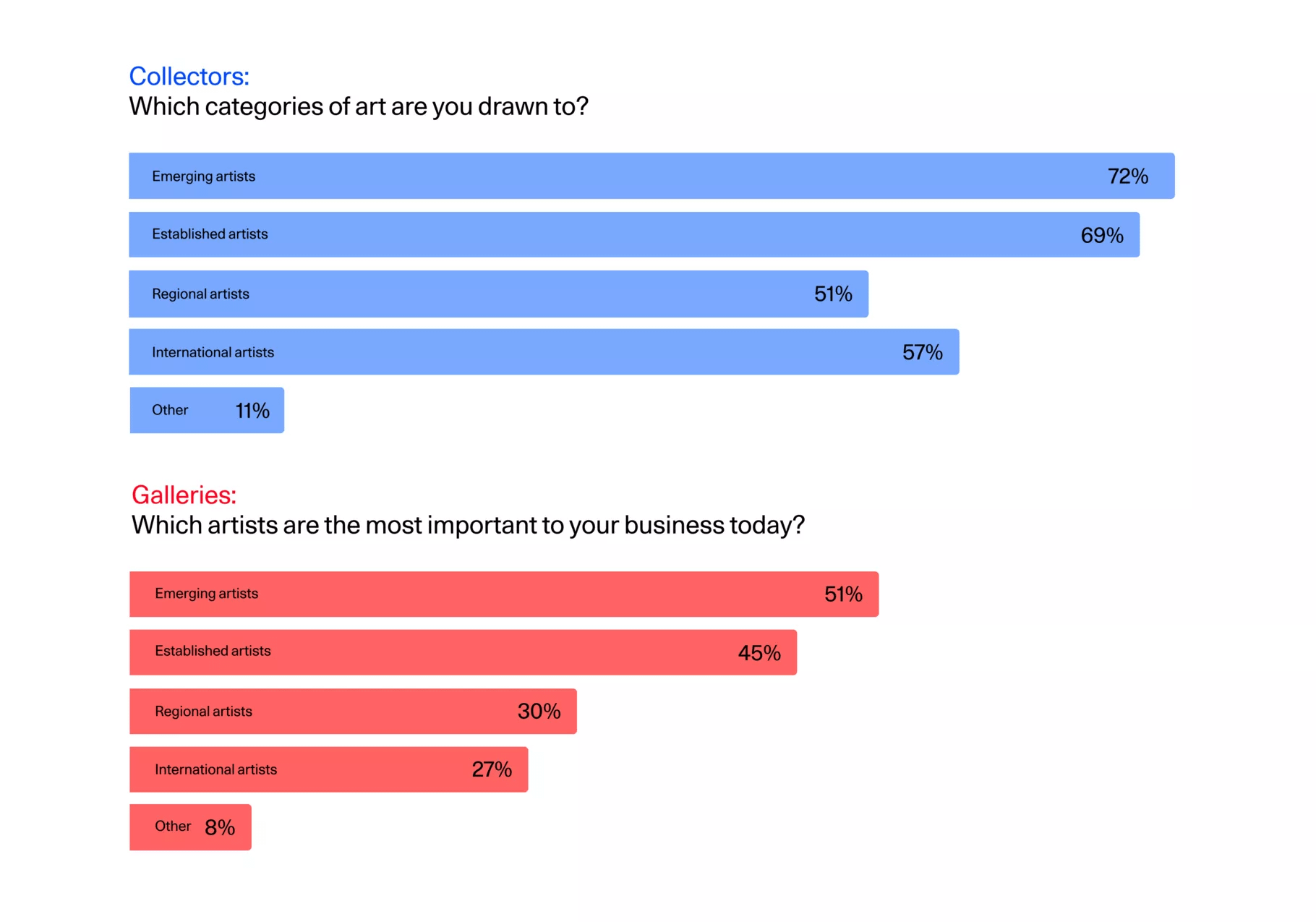
The biggest opportunities will be for the mid-level and emerging gallerists who step into the space opened up by legacy gallery closures. According to Artsy’s recent market report, 72% of collectors are drawn to emerging artists.
For collectors, this is a generational buying opportunity. A few years ago, there was a pervasive cold shoulder across galleries and booths at fairs. The market has generally felt very “closed” to new buyers, by design. This creates negative gallery sentiment for prospective collectors who could be spending right now. Artsy’s market report claimed only 17% of collectors believe the art market meets their needs.
Galleries should be far more receptive to interested buyers right now. Online viewing access has also made artwork much more widely available. Combined with shifts in behavior and technology, collectors can now buy directly from artists via online channels and social media.
The run-up and burst of speculative pricing should also recalibrate why people buy art. Hopefully, it ushers in an era of people buying art because it resonates, because they want to live with it — not keep it in a shipping container.
While far-fetched, an agreement between galleries and auction houses not to sell anything on the secondary market produced within the last 10 years could help with speculative bubbles (artists also don’t benefit from secondary sales in the majority of cases). A lofty goal, but such an agreement could help quell flipping.
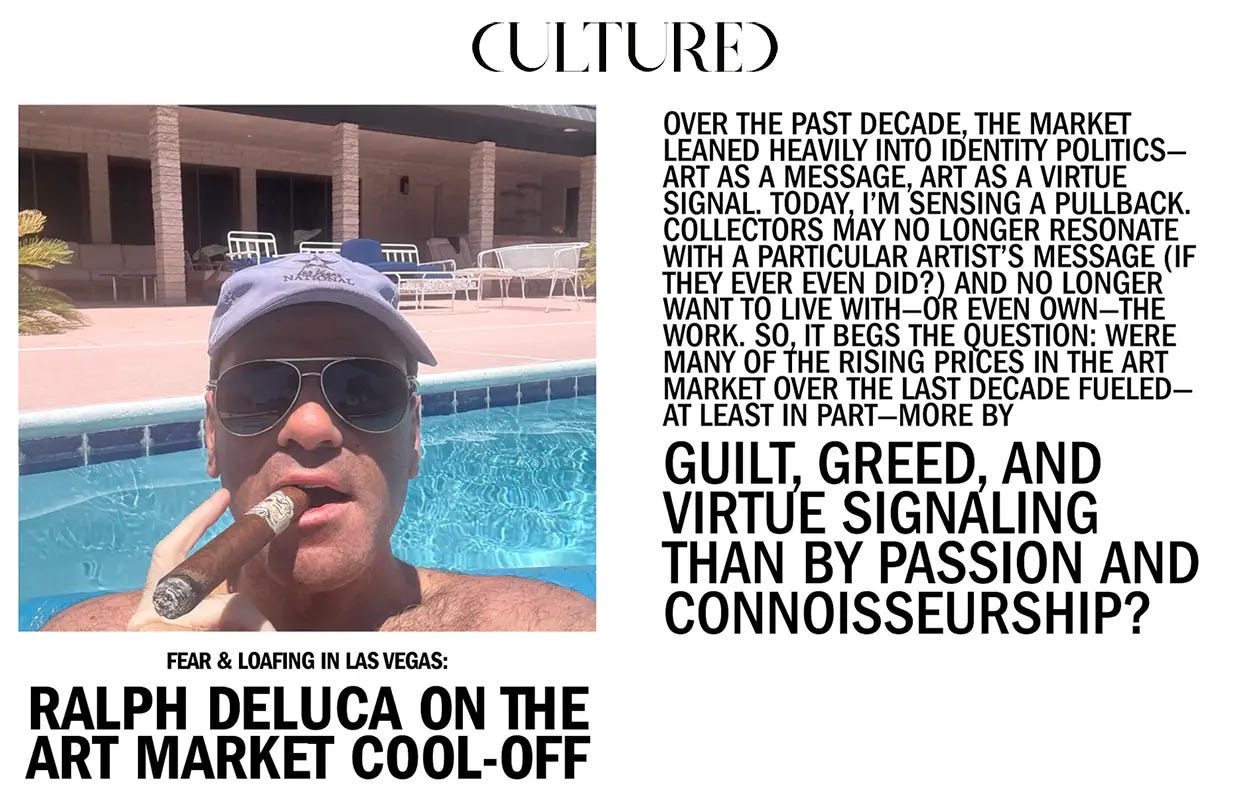
See Cultured’s opinion piece with Ralph DeLuca in which in which he gives a much more raw take on how the market found itself in this current state.
All markets are cyclical; art is no different. This is not the first time the art market has been in a slump, nor will it be the last. Hopefully, it brings about change. The Art Bystander’s Roland-Philippe Kretzschmar has a good Substack on the potential evolution beyond the slow-death narrative.
“What’s at stake is not whether galleries survive, but how they justify their value.”
- Roland-Philippe Kretzschmar, The Art Bystander
THE ARTS DISTRICT COMING TO TERMINAL 6
JFK’s $4.2 billon Terminal 6 is set to open in phases between ’26–’28. While it’s currently inhibiting your ability to get picked up by Ubers or Lyfts, I have high hopes after seeing LaGuardia’s incredible new Delta terminal.
Some of the city’s biggest cultural institutions are participating in installations: the Museum of Modern Art, the Metropolitan Museum of Art, the American Museum of Natural History, and Lincoln Center for the Performing Arts are all contributing in some form (Artnet).
Eighteen contemporary artists will also premiere site-specific work, with an art budget for Terminal 6 at $22 million (NYT).
JP MORGAN’S NEW HEADQUARTERS
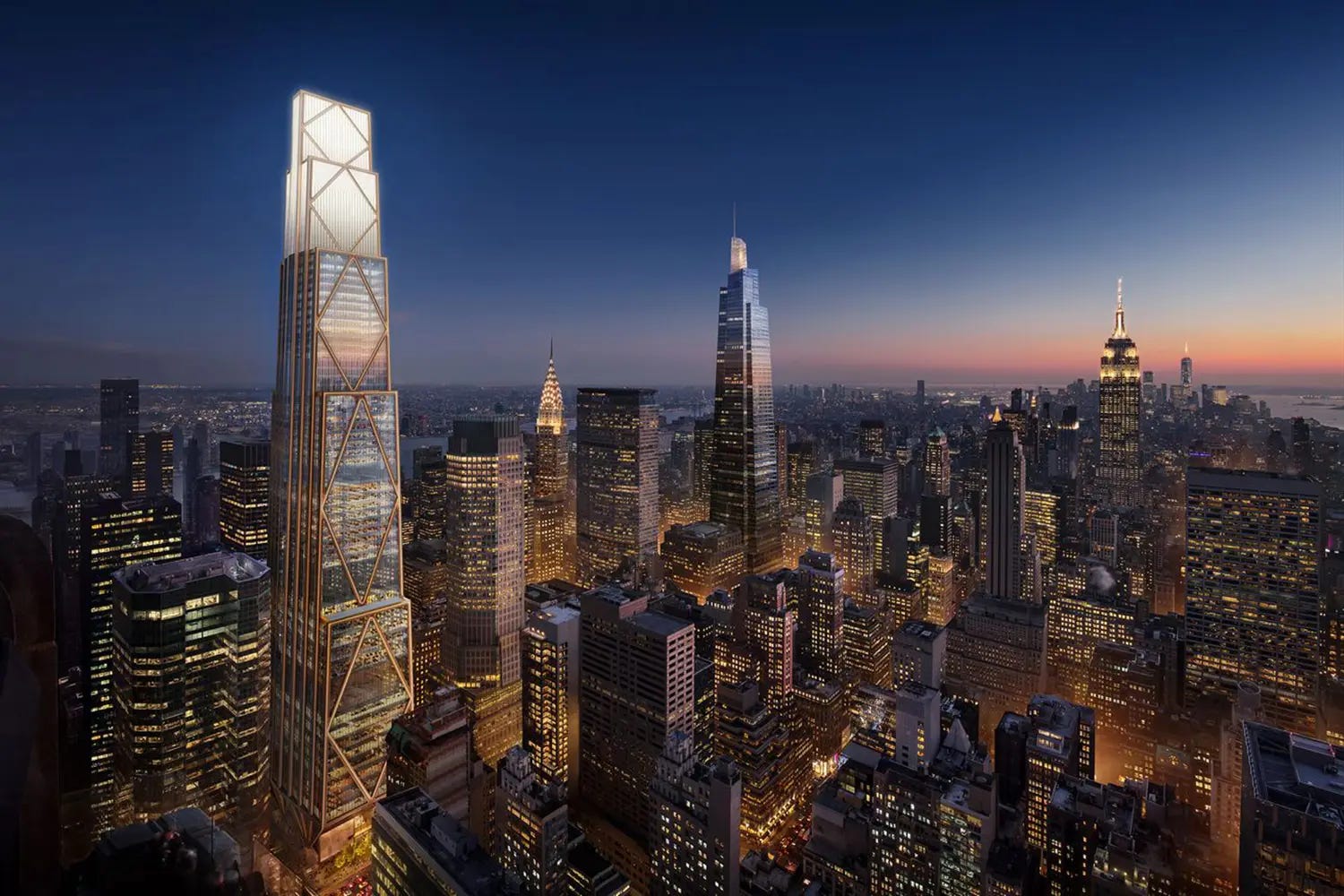
I’ve been watching the construction of JP Morgan’s new $3B headquarters designed by Foster + Partners for several years now. The scale is colossal.
The 60-story tower is finally “fully operational,” standing as the tallest all-electric skyscraper. The opening coincides with a full return to office for Chase employees.
Employees have been riled up that they may have to pay to use the fitness center. They will, however, get 19 food options from Danny Meyer’s Union Square Hospitality Group, with kitchen-to-desk delivery.
Workspaces get three times the normal amounts of fresh air, 24/7 coffee stations on every floor, and the ability to survive days-long city power outages. This thing is taking plays from Vegas on keeping people at the tables – in this case, doing work.
POST PERSONAL SOCIAL NETWORKING
Meta’s antitrust trial with the FTC wrapped in late May after a six-week showdown in DC District Court, yielding sharp insights into today’s social media landscape.
One big take: personal social networking no longer meaningfully exists.
The FTC centered its push to break up Meta (forcing divestitures of Instagram and WhatsApp) on claims those deals let the company monopolize “personal social networking services,” platforms focused on connecting and sharing with friends and family.
Meta countered that this view is outdated, with court docs showing users now spend just 7% of time on Instagram and 17% on Facebook viewing friends’ content (Business Insider).
Instead, “unconnected content” dominates: algorithmic feeds from creators, brands, or strangers.
An internal experiment boosting friend-originated content actually cut overall usage, confirming users crave recommendations over personal updates (The Verge).
Backing this shift, DataReportal’s February 2025 analysis found 28% of social media time spent on “staying in touch with friends and family,” down from 35% in 2023. Hootsuite’s 2025 trends report notes 62% of users prioritize discovery feeds, with algorithmic content driving 70% of engagement on Instagram Reels.
Snap CEO Evan Spiegel told CNBC in April 2024 that:
“Social media is less about your network and more about global trends now; algorithms are the new social graph.”
The FTC seems out of touch, citing dusty competitors like BeReal and MeWe while sidelining X, TikTok, and YouTube. As platforms evolve into entertainment hubs, the era of purely personal networking fades, leaving us scrolling a vast algorithmic void.
TECH & INNOVATION
Y COMBINATOR BACKING EPIC IN ITS APP STORE FIGHT
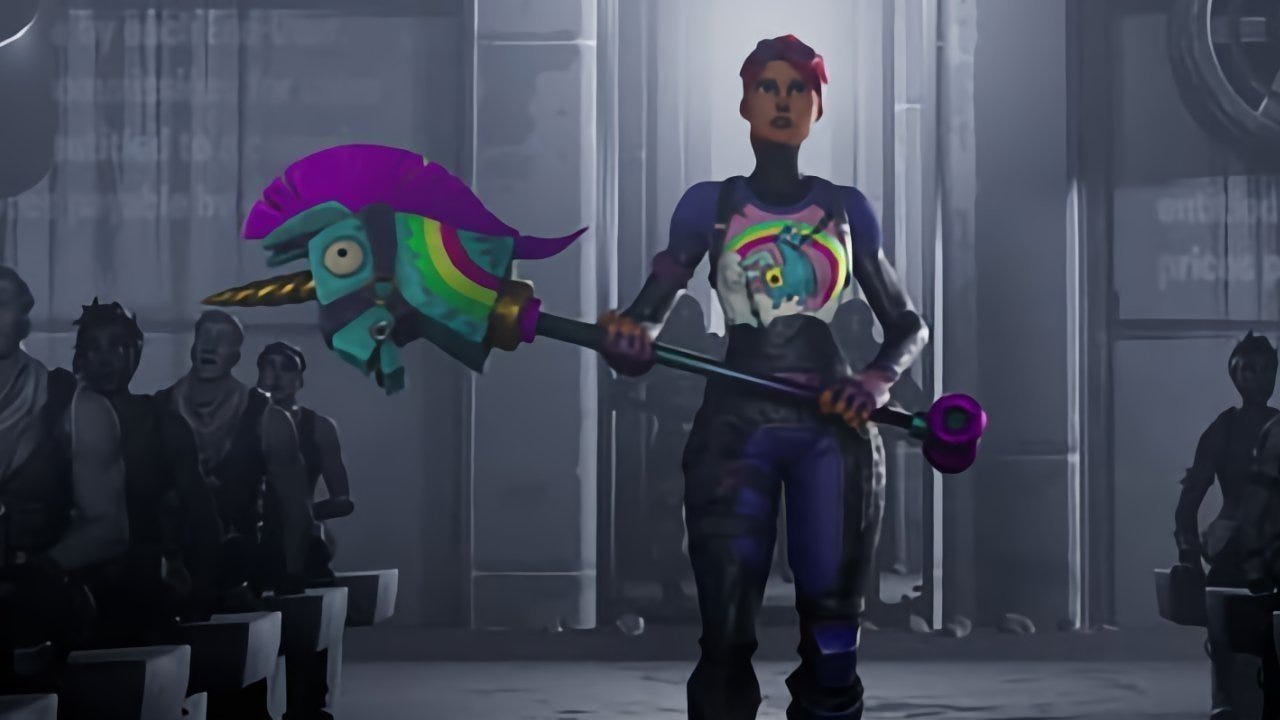
YC filed an amicus brief siding with Epic against Apple’s appeal. They’re calling the 30% App Store cut a “punitive tax on innovation” that crushes startups by making app-based ideas uninvestable.
The filing itself states:
“For the first time in nearly two decades, Y Combinator can seriously consider investing in innovative businesses that would have been impossible in the past.”
If the Ninth Circuit denies Apple's appeal on October 21, it could unlock a wave of new ventures.
AI FOMO & ROI
MIT’s recent report shows a very minimal return on spend so far as companies race to adopt AI into work streams (The Register). Based on over 50 structured interviews, a survey of 153 professionals, and analysis across 300+ public AI announcements and initiatives, it found that only 5% of pilot programs are driving meaningful results while the vast majority have no measurable P&L impact.
Despite $30–40 billion in enterprise investment into GenAI, this report uncovers a surprising result: 95% of organizations are getting zero return.
More specifically, the finding is that tools like ChatGPT are widely adopted, while highly customized bespoke products are not getting successfully deployed. There is even a grey market for LLMs. “AI shadow adoption” is the disparity between people using personal LLM subscriptions vs. a company’s.
While only 40% of companies say they purchased an official LLM subscription, workers from over 90% of the companies surveyed reported regular use of personal AI tools for work tasks. In fact, almost every single person used an LLM in some form for their work.

The issue is that:
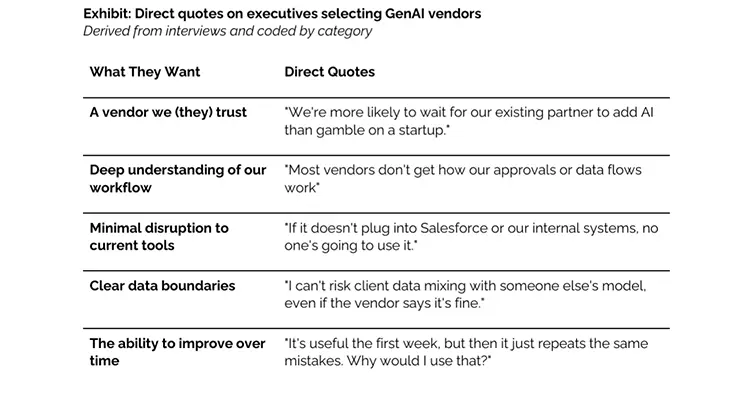
“Most GenAI systems do not retain feedback, adapt to context, or improve over time…
Generic tools like ChatGPT are widely used, but custom solutions stall due to integration complexity and lack of fit with existing workflows.”
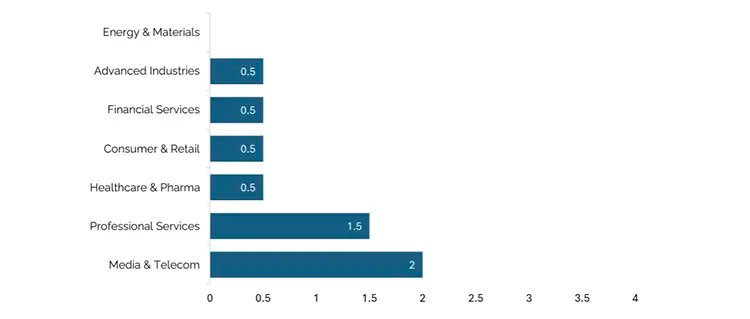
A composite AI Market Disruption Index across 8 industries shows “seven out of nine major sectors showed significant pilot activity but little to no structural change.”
My industry, media, has seen the most disruption, with the rise of AI-native content.
This leads us to the percolating bubble conversation, which Wall Street seems willing to continuously shrug off.
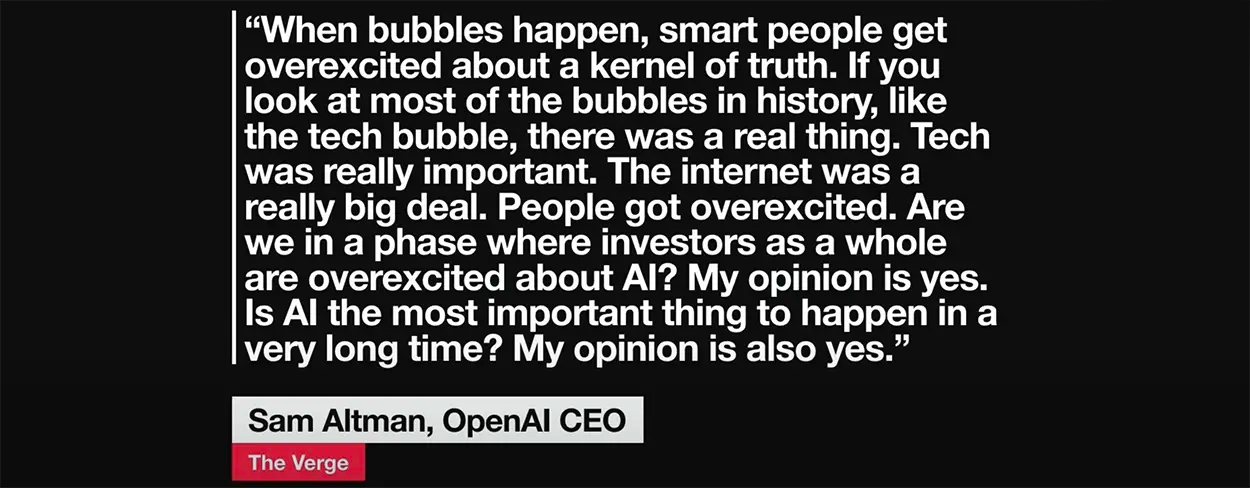
In the same week, Chamath announced an “American Exceptionalism” SPAC focused on companies operating in artificial intelligence, energy, decentralized finance, and defense sectors (his last SPACs didn’t end well), and Sam Altman made comments to a table full of reporters over dinner acknowledging a potential bubble, saying investors could get “burnt.”
The question is where we are in the run-up. Drawing parallels to the dot-com crash, there was a massive bull run in the ’90s before the pop. Are we in ’96 or ’99 is the big question. See Fortune for a deeper assessment of this.
MY STUDIO PRACTICE
Archival this week as I’m on vacation, very excited to get back into the studio for the fall. More of my painting, life, and process on my website.
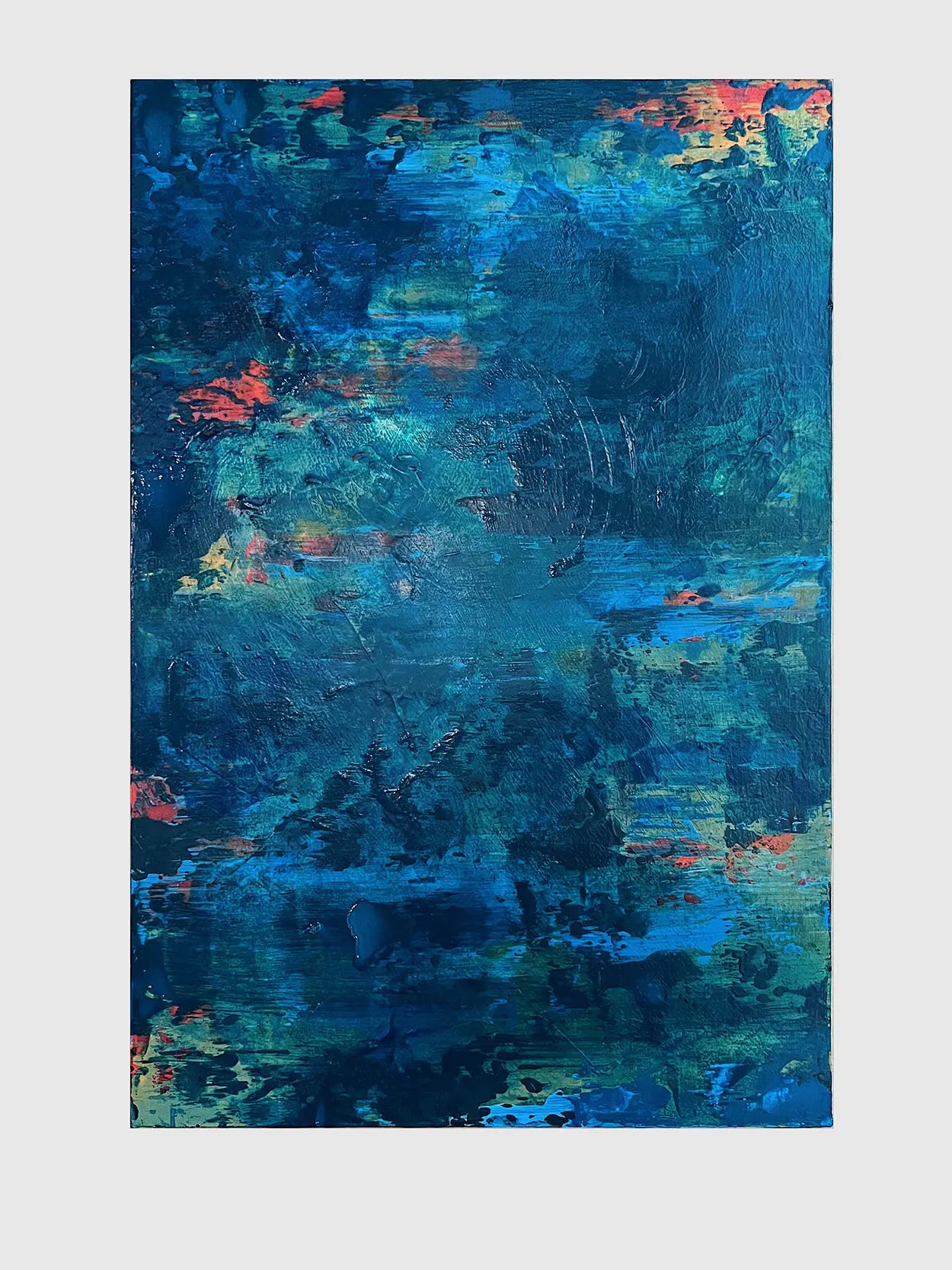
Color Theory 01
12 x 18”
Acrylic and gel mediums on wooden panel.
- That’s it for this week
Thanks for the AI highlight and link to your great artwork!
Great work Matt, always enjoy reading and sharing with my team, my biggest take aways this week:
Kody Phillips new film was great I found it interesting you didn’t say short film, film short, IG reel, ad campaign or even mention the vertical nature of it At all. You just said, Film. Reminds me of how Casey Neistat referred to his YouTube videos as films. And I think it’s an important distinction. Even short form vertical content is becoming more premier in certain niches — ( check out the content show @Eavesdrop.png, it’s my favorite example of this and has the numbers to support that this level of production and writing can work with short form audiences. It’s episodic and has been building the story around its characters for over a year in ongoing shorts)
Secondly, as content creators and media agencies we are making content to entertain. Social media is an entertainment platform now, it’s a modern/adapted cable-streaming hybrid, in the sense that the content is both feed to you and you can look up whatever content you want on demand.
It really is NO LONGER about personal social networking.
Lastly,
I personally find my self each week getting, i don’t know if it’s distracted or tempted, by the shiny object syndrome of the AI bull rush.
But with each new business idea I come up with involving it I’m reminded of what you referenced. Yes it’s world changing tech, but a lot of the business models around it aren’t fully able to be integrated easily into current businesses, lack scalability, or in a lot of my social media ideas violate app TOS. So for now it’s stay focused and continue to build a media brand.
Looking forward to next week!
-Nick