

INTAKE #42
Year-End Notes: Ambient Surveillance, The Death of Gatekeepers, Vibecession Math, A16Z Big Ideas, Ghost In The Shell Exhibition, The Substack Question, and Saying Goodbye to Gitane

Stubborn is believing in something when all the facts have changed.
Conviction is riding through the volatility.
It’s not easy to tell the difference until history has already passed
The last post of 2025, and about a month away from a full year of weekly INTAKES. Thank you to everyone who’s read, especially those who have reached out, sent me advice, interesting articles and encouragement.
My friend Oliver Diamond gave me one of the best pieces of advice: Turn each sub section of these articles into a LinkedIn post in full.
This gives me really interesting insights across hundreds of sections on what topics get the most engagement. A piece on the AI actress Tilly Norwood and AI’s impact on Hollywood got about 20x more than average, most surprising was an article on supersonic travel taking #1 with 50x engagement.
Thank you to the two haters! I got my first two emails from people telling me to fuck off, well one was more about my need to proof read (fair) and the other was more generally upset at the overall structure of these articles which in his mind was ‘all over the place’ and an attempt to ‘flex that I read’.
I appreciate anyone who takes the time to send me how they feel, and genuinely found some actionable feedback in the criticism.
My wife was happy for me, having haters is a statistical result of growth she pointed out. I started with a few hundred readers and as that’s grown, negative feedback is going to be par for the course. I often look at the comments section of any major article and that’s honestly more interesting than the article itself, it’s fascinating how heated an online debate of unanimous people can get.
End of year news cycles skew heavily to recaps, round-ups, and predictions. Something I’m trying to avoid the cliché of but I do find the big ideas and forward predictions interesting.
As I get closer to completing this year long assignment I gave myself, I’ll be thinking about slight changes to the format based on what I’ve learned and what people seem to respond most too.
One thing I’ve been mulling over is frequency, would 2x weekly letters be better, breaking them up and putting them out with more frequency. Benefits would be staying closer to the relevancy of some of the stuff I’m covering, and a shorter more digestible read.
The final issue of 2025 covers a lot of ground: wearable devices that listen to your entire life, a16z’s Big Ideas, predictions on AI evolution, the death of the prompt box, and whats coming for consumers. why established writers are abandoning major platforms, a Ghost in the Shell exhibition thirty years in the making, the end of a Nolita staple that predates the neighborhood's name, a breakthrough biodegradable plastic alternative, the paradox of record S&P gains against historic consumer pessimism, why asset ownership has become the dividing line between two Americas, and year-end reading recommendations from Dan Carlin's Hardcore History to Genghis Khan.
A16z 2026 BIG IDEAS
As 2025 closes out, A16z’s been releasing prediction podcasts where their analysts get about 10 minutes each to bring forth what they see shaping the tech business sector next year. Ranging thematics, that often intersect. Some that stood our for me:
Death of the prompt box as the primary user interface. Ai use will evolve past the prompt box and become more embedded into other app flows.
Evolution from LMM’s and human to AI interaction evolves into more creation and use of agentic ai, means design will shift to interfaces for the Agents not for humans. Visual design becomes less important for communication in this stage, data infrastructure and compute will be prioritized.
Consumer AI - Where it stands at the end of 2025 & where its going. This one in particular is really insightful, especially the product recommendations at the end. The point that the best way to up-skill in AI is to constantly be trying and using new products.
Interesting stats; For most of the year, less than 10% of chat GPT users even visited another platform, only 9% of GPT users have another subscription. This shows how early we are in wider adoption.
The VC also launched a16z Build, real life networking through curated dinners and retreats aimed at creating spaces for founders and operators to connect. Self nomination or nominating others can be done here.
Build will obviously skew heavily into tech, I think there’s space for something similar to this in the creative industry, something I’m actually working on and will share more about soon. Key is quality and small, so that real connections occur.
AMBIENT LISTENING
Summarized living, the subject Scott Belsky’s most recent implications, has me thinking a lot about willing submission to surveillance through undeniably advantageous tech, with important societal implications.
A step further than recording zoom calls (we use Notion for minutes on a meeting, I’m hearing Granola pop up more and more), some are willingly applying ambient listening to their entire days.
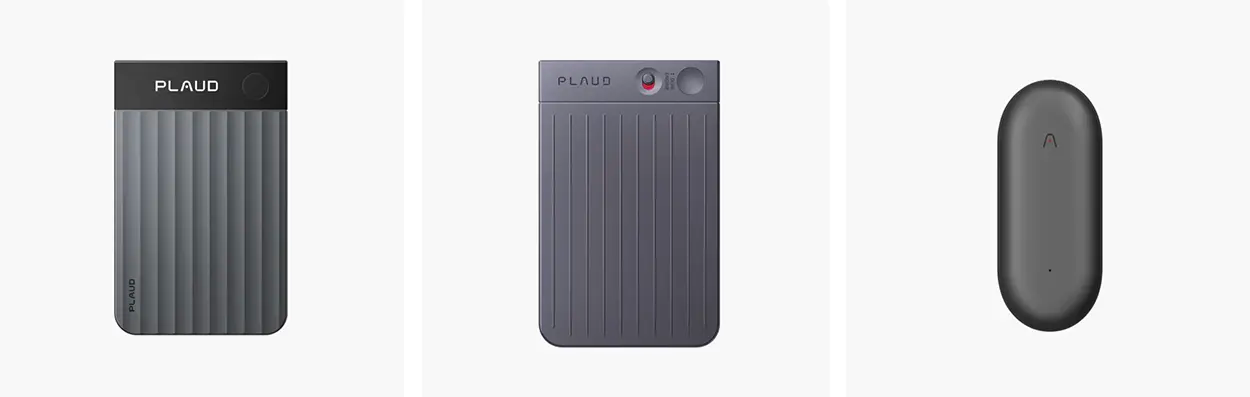
Physical products like Plaud and Limitless (a recent meta acquisition) listen all day, providing mind maps of all your conversations, pulling out actionable aspects and over time building a digital memory you can interact with.
This in some form is probably what Jony Ive has been cooking up at open AI, he tends to build products with mass appeal which could normalize the concept of ever present listening. Future generations of these products will evolve from summarization to intelligent synthesis, they’ll be more than word-for-word meeting minutes, they’ll be interactive extensions of your brain.
It will change how we converse, we may be more conscious of sensitive information, sources, knowing things said are more ‘on record.’
Digital records will confront memory bias, a known flaw in our human memory’s perception and distortion of events.
The notion of memory ownership will emerge:
Should we be able to search each others’ memories like we do shared documents? If not, what is the new etiquette for accessing a colleague’s summarized work life? What happens to your memory when you leave a company – do they get to keep it? (Scott Belsky)
We’ll have to confront the limitations of a singular mind vs the power of collective thought, will we be pulled towards a hive mind existence?
I’m personally intrigued while simultaneously seeing the darker big brother overtones.
THE SUBSTACK MIGRATION / DEBATE
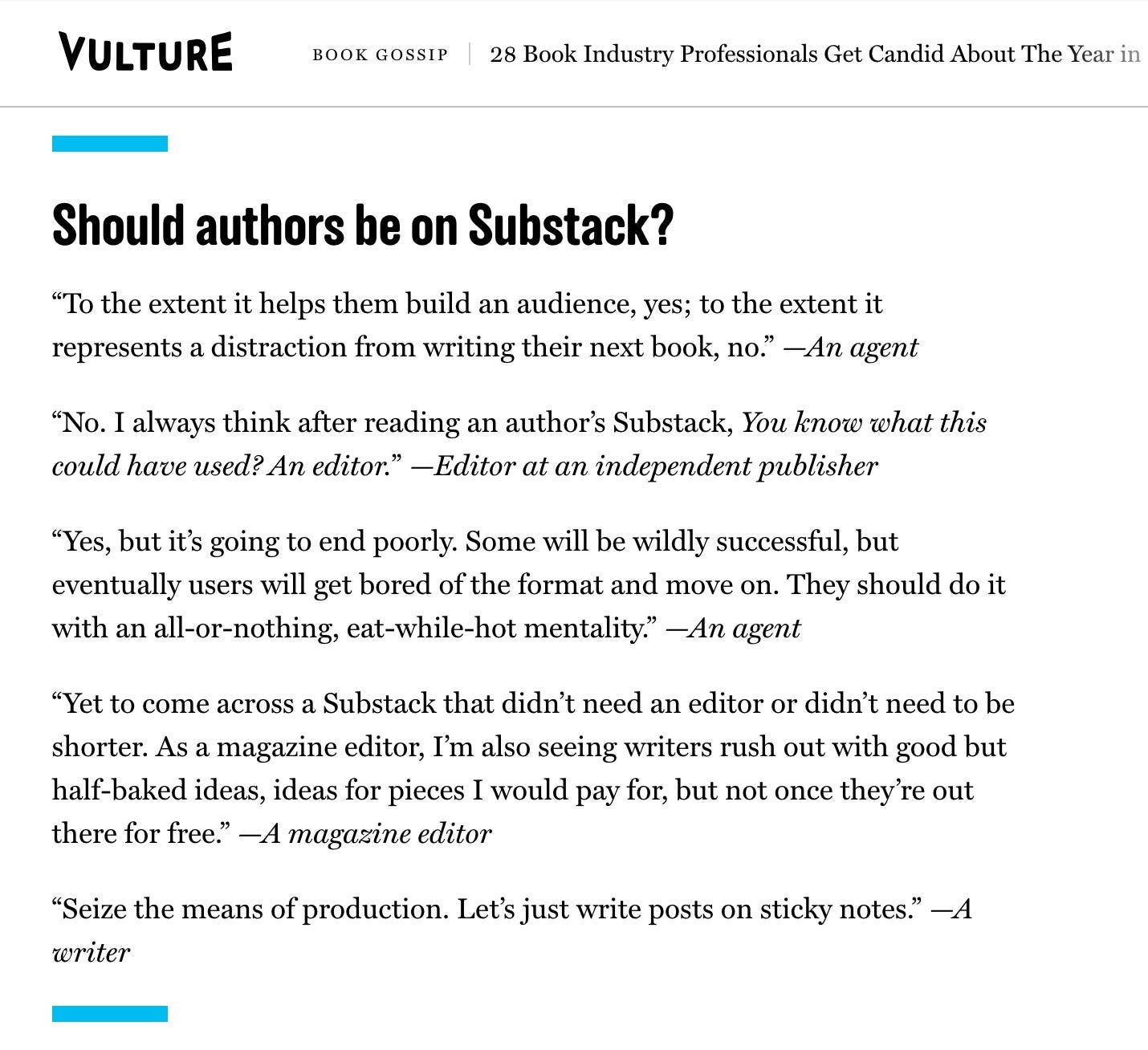
Should authors be on Substack? A short piece on Vulture (which strangely I can’t find online anymore) has sparked a debate which seems to really center on another industry seeing embedded gatekeepers resisting a new medium.
It’s about loss of control.
I see parallels to galleries vs an artist’s ability to self promote with social media, the decline of the record label’s importance, and the rise of podcasters / youtube and creators vs traditional networks.
These industries have existed for decades with models based on arbiters of control, whether it galleries, labels or media, control sat in the institutions ability to curate what was deemed worth seeing or hearing. Each of these industries has seen substantial disruption, artists break on SoundCloud or TikTok, and youtube / podcasts audiences far outweigh mainstream media’s top shows.
The past two years have seen many established writers and personalities leave major platforms for more control of voice. Censorship, concern over upsetting advertisers, or larger viewpoint alignments of major media outlets has become a major point of contention on ‘what can and cannot be said’
When Seymour Hersh, the Pulitzer Prize-winning investigative journalist, broke the major story alleging that the United States was responsible for sabotaging the Nord Stream pipelines, he dropped it on his Substack. Hersh made a point that ‘reporting is back’ in his ‘Why Substack’ article;
“With no pressure from a publisher, editors or peers to make it hew to certain lines of thought or pare it back to assuage their fears.”
- Seymore Hersh
Jon Stewart’s Apple TV+ show “The Problem with Jon Stewart” was abruptly canceled in October 2023 amid creative differences, primarily over planned episodes critically addressing China (where Apple has massive manufacturing and market interests) and artificial intelligence, a field in which the company was heavily investing. While Jon did not migrate to an independent platform, this is an example of narrative control many people are no longer willing to forgo.
The counterpoint here would be factchecking, sources, and the concerning rise of a less diligent flow of news. Half of U.S. adults now say they get news from social media at least sometimes, and trust in mainstream media in the U.S. is at a historic low. Personally I find that news hits faster on social, while being far less accurate, there is a real truth to certain stories not being covered by mainstream media. Be sure to check sources.
Theres a fiscal aspect as well, writers with large audiences can make significantly more with their own subscriber base on independent platforms than they can on salary in a newsroom. Some examples:
Glenn Greenwald - His Substack income is reportedly at least twice his prior salary at The Intercept.
Bari Weiss - Resigned from NYT in 2020, built The Free Press on Substack to $20 million annually in revenue. October 2025, Paramount Skydance acquired The Free Press for $150 million, and Weiss was appointed editor-in-chief of CBS News.
Matt Taibbi - Left Rolling Stone for more independence; his newsletter ranks among Substack’s highest earners at an estimated $1–2 million annually
Emily Sundberg - Feedme started as a side project after being laid off in 22’. Now with over 150,000 total readers and consistent top rankings in Substack’s business category she has and estimated revenue in the 7 figures.
This exodus lead the Atlantic to go on a hiring spree this summer, trying to lure top reporters back with 300k + salaries.
Like youtube and podcasts, Substack is going to massively disrupt journalism and writing at large.
GHOST IN THE SHELL AT TOKYO NODE
An extensive large scale exhibition covering the entirety of the Ghost In The Shell series opens at the end of January in Tokyo.

This is one of the more influential IP’s in sci-fi putting its fingerprints on everything from gaming to Hollywood while also providing prolific predictions and philosophical proddings about the meaning of consciousness in a post AI world.

This seems to be a highly experiential exhibit, with set builds and interactivity alongside a trove of production materials from original drawings and cel animation from the artists and directors who built this incredible world.
The montage sequence from the 1995 film is probably one of the most inspiring 3:00 of animation and sound design I’ve experienced, it holds up after 30 years.
I remember being at RISD’s pre college program where they’d show us obscure films each week (This was way before Ghost went mainstream with a Hollywood adaption). seeing this film, and specifically this scene started an obsession with Manga.
If you’ve only seen the film, there is a much deeper world here, a show spanning multiple seasons and graphic novels with incredible art and rich philosophical themes.
January 30 to April 5, 2026. TOKYO NODE.
STUDIO PRACTICE

I’ve spent this break moving into my new studio which is full circle, as its the same building our MATTE offices were in during COVID shut down, this lead to me painting again.
The building owner gave me an incredible space to return home too. The biggest benefit is proximity to the city, I’ll be able to host people a lot easier.
My goals for the remainder of holiday break are; updates to my website, new portfolio materials and getting back into the actual painting.
More of my paintings, and process here.
ZEIT MAGAZINE
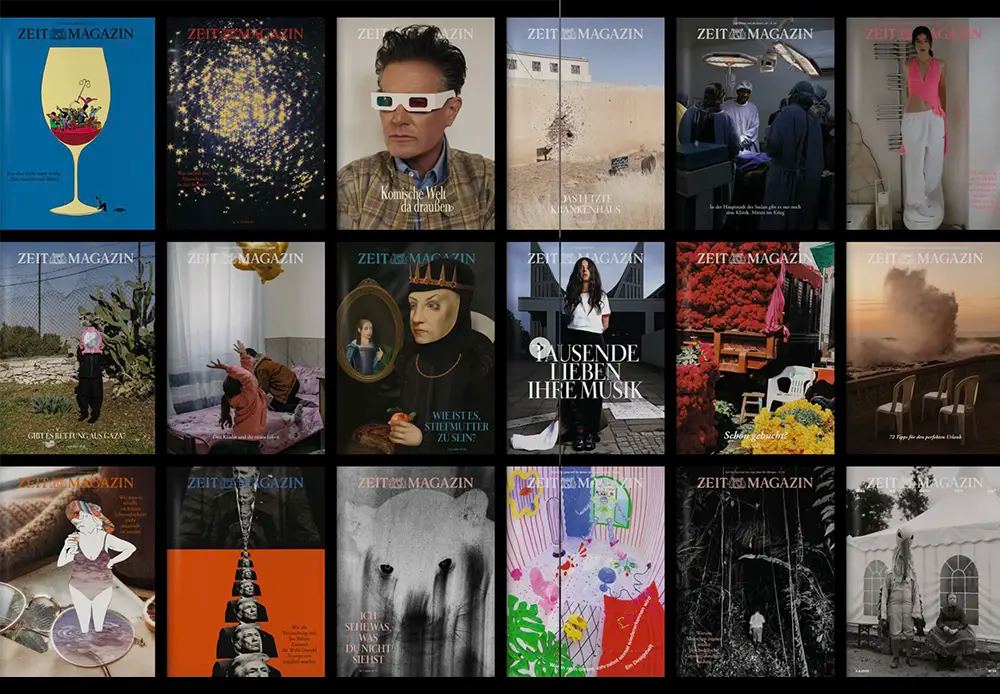
Specifically the issues with creative direction by Munich boutique design studio Bureau Borsche. This studio also recently did a guest design issue of Numero Berlin Autumn/Winter 2026 .
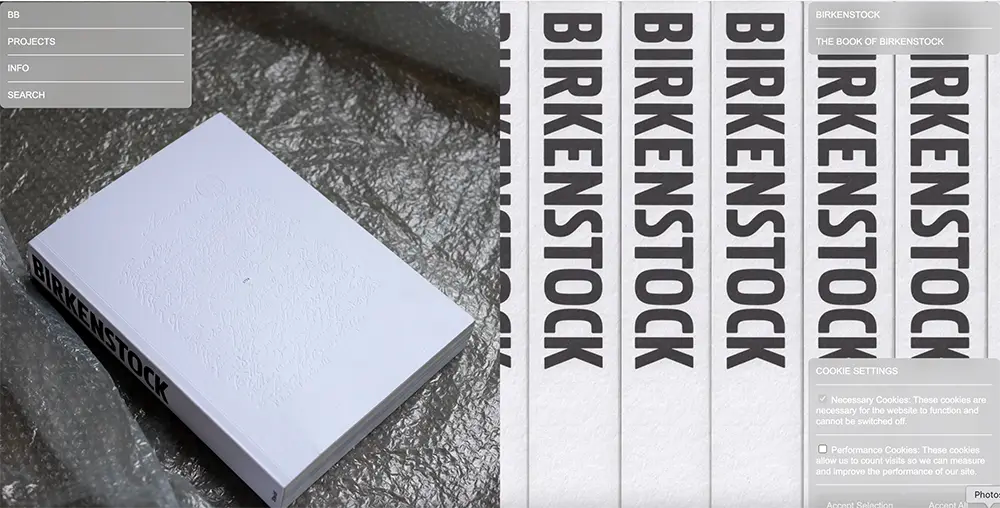
Niche, independent, design driven publications are pretty much the only magazines I buy in print anymore, everything else I read digitally.
CAFE GITANE, END OF AN ERA
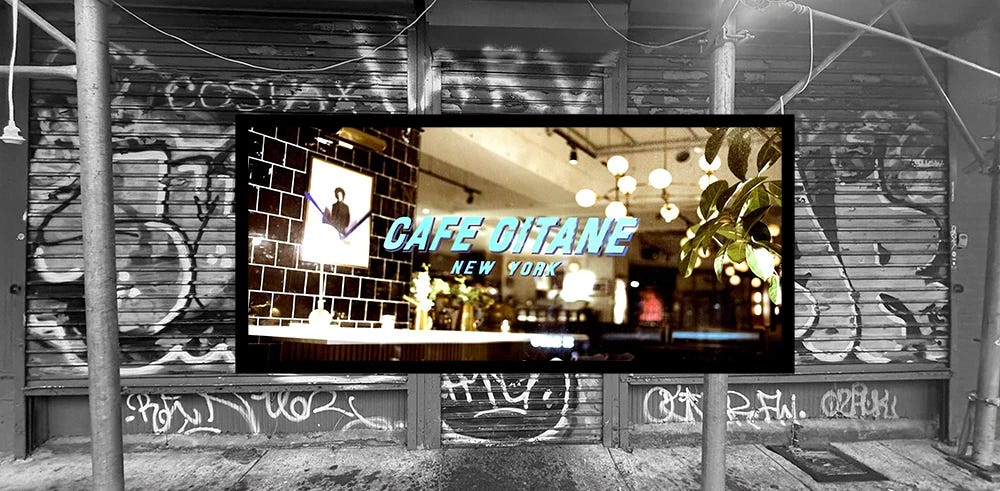
The closure of Gitane marks a chapter as soho looses a staple for downtown locals. Lasting 30 years, pre dating the term ‘Nolita’ NYC looses a great neighborhood spot.
Outside seating at Gitane was the scene before Sant Ambroeus. The cafe drew crowds way before social media, through the 2010’s and for the past decade I put it with Cafe Select and Lovely Day as the places legit downtown New Yorker’s hung out. The new generation of hot spots seem more driven by social media (ALD café, Jack’s Wife, Ruby’s) and don’t have the same vibe.
Sadly, Gitane didn’t go out with a bang, and its final months also saw financial mayhem as staff and vendors reported not being paid (New York Magazine). In the same quarter that we saw Raul’s celebrate its 50th, a simple boarding up marked the closure of this classic.
A NEW BIODEGRADABLE PLASTIC
Plastic is probably one of the greatest man made inventions with the most harmful impact. It’s embedded in so many aspects of our daily lives, with the dark side of ‘forever’. Microplastics have permitted our oceans, soil, air and blood.
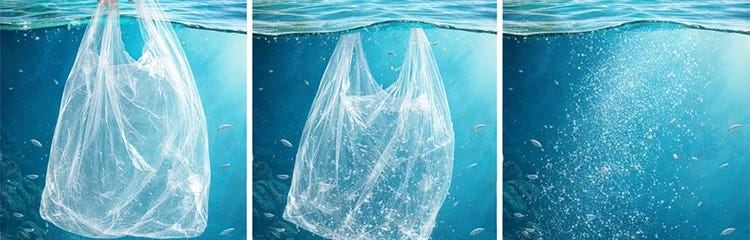
As much as we try to move off plastic, we seem to be hooked on it’s quality, paper straws would be an example. Material science, and human ingenuity hopefully progresses us past this.
A tough, flexible plastic made from plant cellulose that breaks down quickly in salt water, leaving behind no microplastics.
“Nature produces about one trillion tonnes of cellulose every year, from this abundant resource, we have created a flexible yet tough plastic material that safely decomposes in the ocean.
This technology will help protect the Earth from plastic pollution.”
Professor Takuzo Aida at the RIKEN Center for Emergent Matter Science (CEMS) in Japan
MATTE WEEKLY SHARES
Each week our creative team connects for thirty to an hour to discuss things outside what were up too. A chance for creatives to share who their clocking, other great work were seeing, and anything else generally worth being up on.
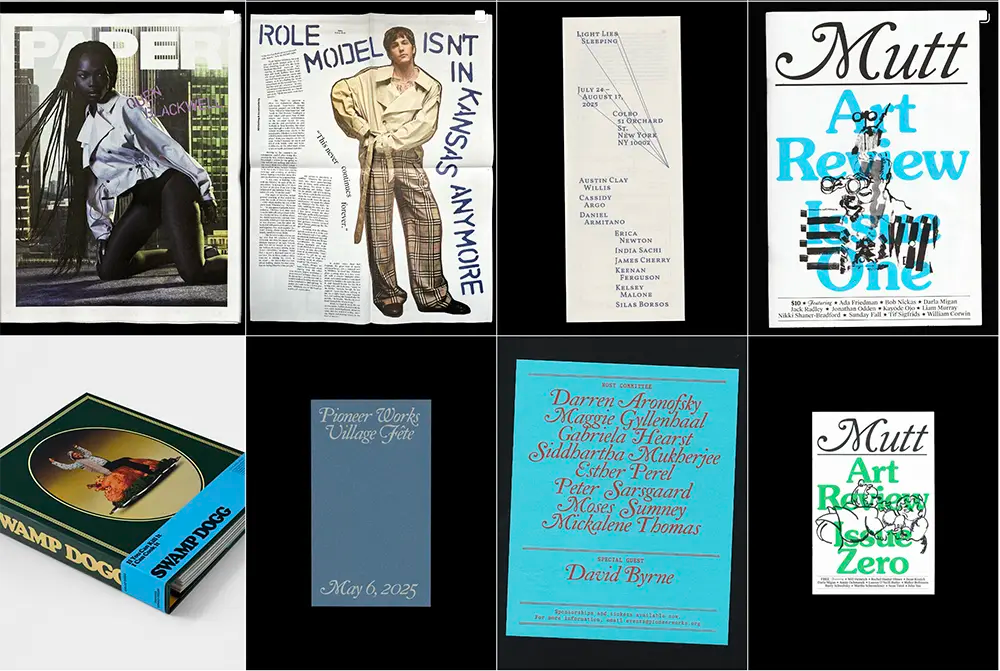
This week designer Callum Abbott, who’s doing killer editorial layout and type work.
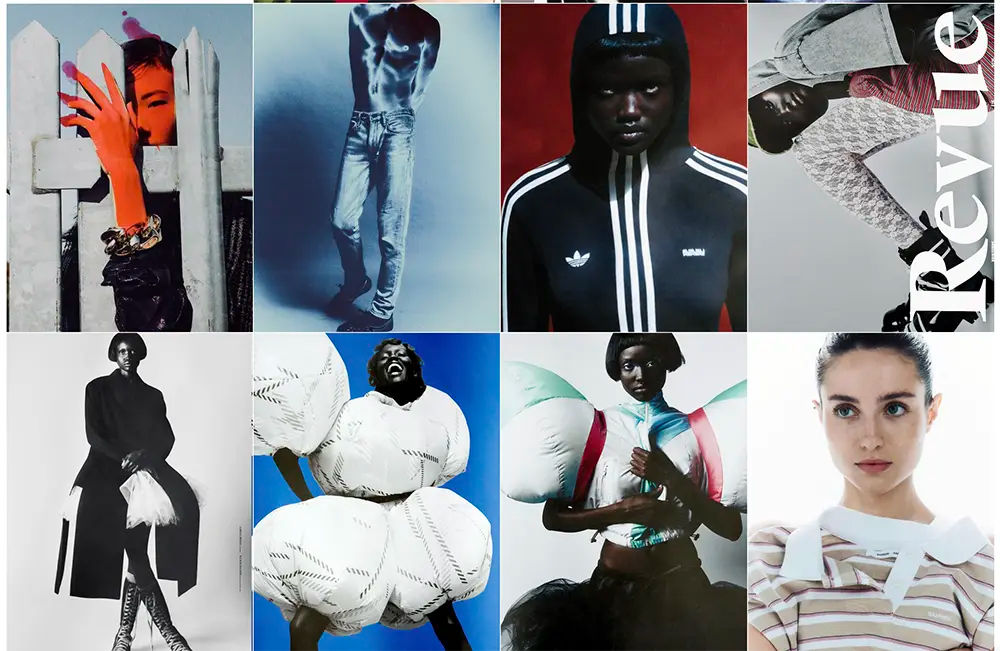
Photographer & Artist Petros as well, they’ve been working a lot with Billie Eilish and have this hard ass digital painterliness to their work.
SOREN SEJR
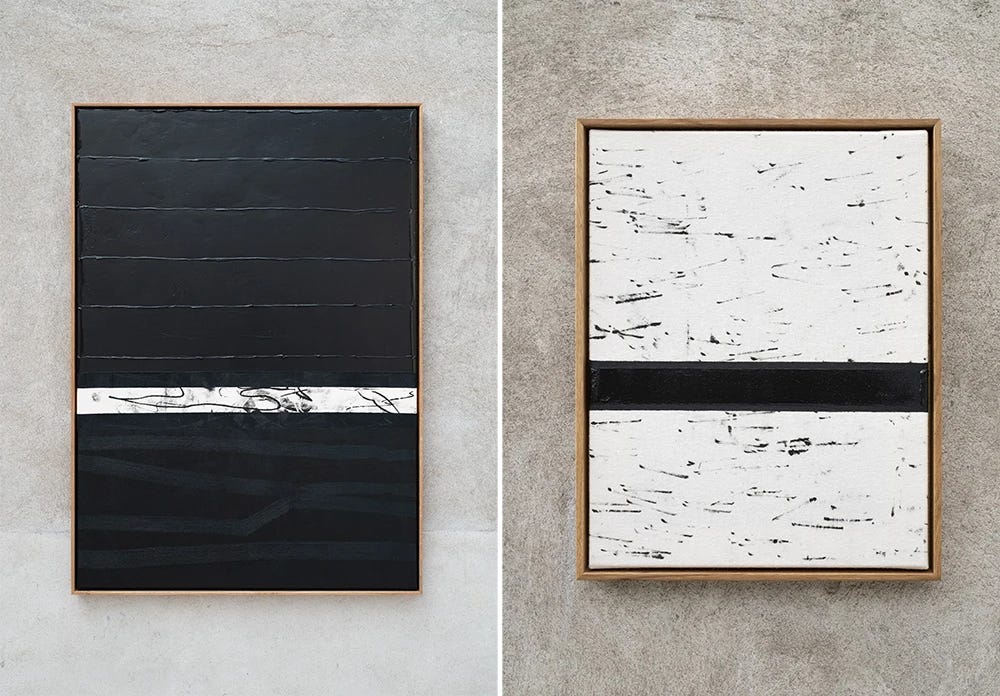
I just came across this artist from Denmark, I’m particularly drawn to his 2023 works, the last two years he’s moved to color and their beautiful but the black and white compositions really got me. Everything prior is black and white, really channeling Pierre Soulages (one of my favorites).
Soren’s next show will be:
2026 Gallery Jacob Bjorn, Aarhus DK
A YEAR OF DIVIDED SENTIMENT
“The stock market is not the economy.”
The S&P 500 just delivered its third consecutive year of double-digit gains, And yet, 52% of Americans believe we’re already in a recession.
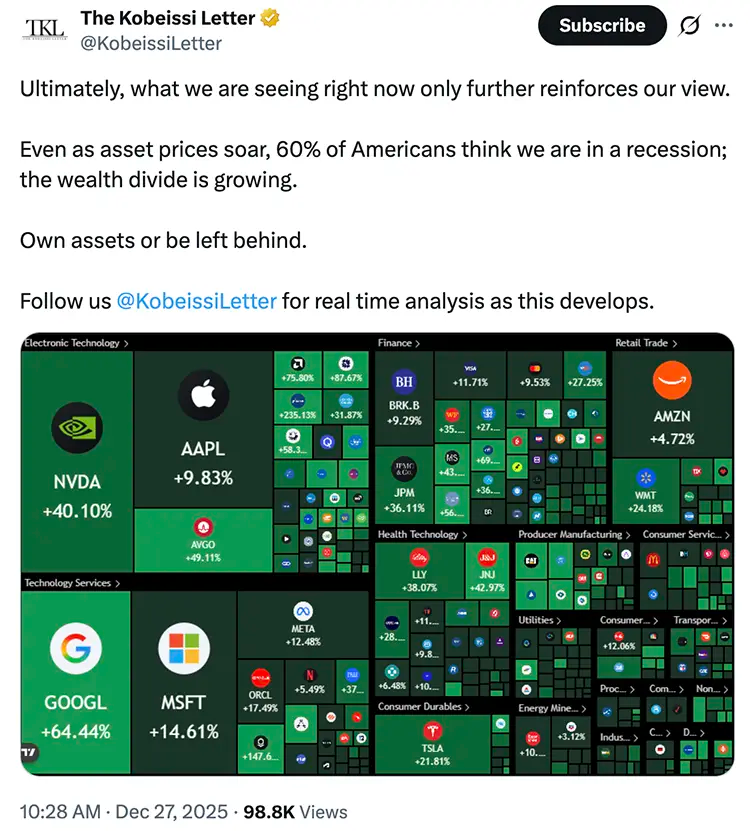
Everyone’s miserable. But they’re still spending.
In November, the University of Michigan’s Consumer Sentiment Index was gloomier than the depths of 2008 and worse than June 2022 when inflation peaked at 9%. Basically our vibes were some of the worst in the index’s history.
And then Black Friday happened. A record $11.8 billion spent online, up 9.1% year-over-year. The National Retail Federation expects total holiday spending to surpass $1 trillion for the first time.
There’s a term for this; the ‘say and do gap’ (cnbc)
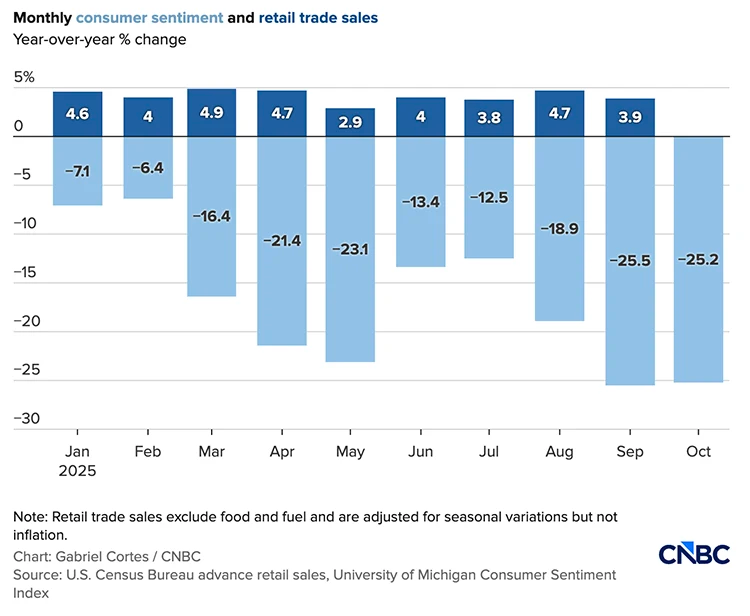
Basically you can’t trust these sentiment surveys, they don’t align to the actual numbers. Higher-income households and those on the coasts have been particularly likely to keep spending even while reporting low sentiment.
McKinsey’s ConsumerWise research uncovered an even stranger wrinkle: “Consumers most concerned about their personal finances, inflation, and the cost of living were also more likely to report plans to splurge.”
Buy now, pay later usage hit an all-time high on Cyber Monday.
So a lot of people are stretched, but that doesn’t necessarily correlate with a recession. Kyla Scanlon, the economic educator who coined “Vibecession” in 2022, described it as “the vibes of a recession, but maybe not the economic reality of one.” Three years later, the definition has evolved. It’s no longer just fear of a future recession, it’s rejection of the current “recovery” as inadequate for the average citizen’s needs.
What were seeing is a sentiment gap reflective of a widening wealth divide.
Those without assets aren’t participating in record market runs while 70% of Americans now say the area where they live is “not very affordable” or “not affordable at all” for the average family. “Vibecession”
Morgan Stanley’s Lisa Shalett put it even more starkly in a November research note: the top 40% of households control nearly 85% of America’s wealth, two-thirds of which is directly tied to the stock market. Spending by the wealthiest households is growing 6-7x faster than for the lowest cohort. The top 10% of income earners now account for 49.2% of all consumer spending, the highest share since we began tracking this data in 1989.
As Kobeassi put it ‘Own assets or get left behind.’ In 2025, If you were invested and stayed the course, even through the early tariff chaos, you’ve done remarkably well.
On a positive note, younger generations are getting into markets earlier than their parents did. Nearly a third of Gen Z has developed investing habits while still in college, a global trend enabled by commission-free apps, fractional shares that removed barriers previous generations faced, and a plethora of financial content readily available online.
The poster child for this democratization? Robinhood, up about 225% this year after joining the S&P 500 in September.
The platform has created an empowered retail investor class, while also being criticized for encouraging high risk bets, meme coin trading and now betting on a wider variety of prediction markets. It’s reflective of a generation and the financial nihilism they embrace.
This retail cohort is also getting smarter, they may have been on-boarded through meme stocks in covid, but they’ve stayed and diversified, they’ve gotten more patient and continue buying dips.
“They’re 30 years old. They should be buying the dip. They have 40 more years of investing.”
Steph Guild, Chief Investment officer at Robinhood
Steph Guild has been a fascinating guest on many podcasts recently. She closes out the year on risk reversal sharing insights from the data they have on user behavior.
The clearest divide is housing. At 7% mortgages, and real affordability issues, the American Dream of homeownership feels increasingly out of reach for anyone who doesn’t already own.
For the first time on record, the median age of a first-time homebuyer is 40 years old.
What happens when people abandon homeownership?
What’s below the paywall:
Divided Sentiment continued. Hardcore History. Book Reccomendations. Page Spread, my new favorite source for rare books.
