

INTAKE #36
IAN SCHRAGER. ABRI MARS. HOW TIKTOK HOOKS. ILLITERACY. OUTLANDER IN PRINT. FLASH WEBSITES. DAVID CHASE & MKULTRA. WSJ'S GROWTH. AIRLINE BUSINESS. SUBSTACK'S GROWTH. THE ORDINARY. HOMEBUYERS? AND MORE

This week’s INTAKE unpacks key developments in technology, finance, and art for savvy professionals seeking actionable intelligence.
Ian Schrager transformed hotels from travel necessities into cultural epicenters, while Delta and United capture 60% of airline profits as Spirit bankrupts. Sopranos creator David Chase’s upcoming MKUltra series coming to HBO.
America’s post-literacy slide as TikTok addictive algorithm hooks even “light” users for 45+ minutes daily. Substack’s explosive growth amid declining legacy media, and the rise of AI in creative expression with upcoming panels on its impact. The Ordinary skewers beauty marketing myths and young homebuyers choose stock portfolios over real estate.
Plus: WSJ Magazine’s audience quadrupling and why Substack’s rise signals substance over influencer culture.
IAN SCHRAGER ON THE STANZA
The Stanza closes out this season with a legend, Ian Schrager. Co-founder of Studio 54 with Steve Rubell, Schrager pioneered the ‘boutique hotel with Morgans in 1984, at a time when hotels were purely travel necessities, Ian reimagined them as vibrant social hubs, transforming lobbies, bars, and restaurants into dynamic public spaces that reflected the cultural life of a city.
Blending art, design, and service, this “hotel as lifestyle” concept packed urban energy; food, nightlife, design, celebrity, community, and culture into one space.
The episode has wonderful stories and lessons, especially around differentiation. When asked how they approached their first hotel without hotel industry experience, Schrager explained the parallel to their nightclub days:
“The most important thing that I learned about Studio 54 is that because I didn’t have any discernable product that was different than what every other nightclub had, all I had was the kind of magic we were able to create.”
- Ian Schrager
They sold the same booze as anyone else, but the world they created is what stood them apart. This became the blueprint, when you have no discernible product differentiation, focus on the magic. On experience. On creating something that can’t be replicated by simply copying the fixtures.
“Morgans and the Royalton together were the prototypes for every other boutique hotel you see today,”
Following the success of Morgans, they opened the Royalton and Paramount, both designed by Philippe Starck. With these properties, Schrager introduced “lobby socializing” where the hotel lobby became a new kind of gathering place for hotel guests and New York City residents alike.
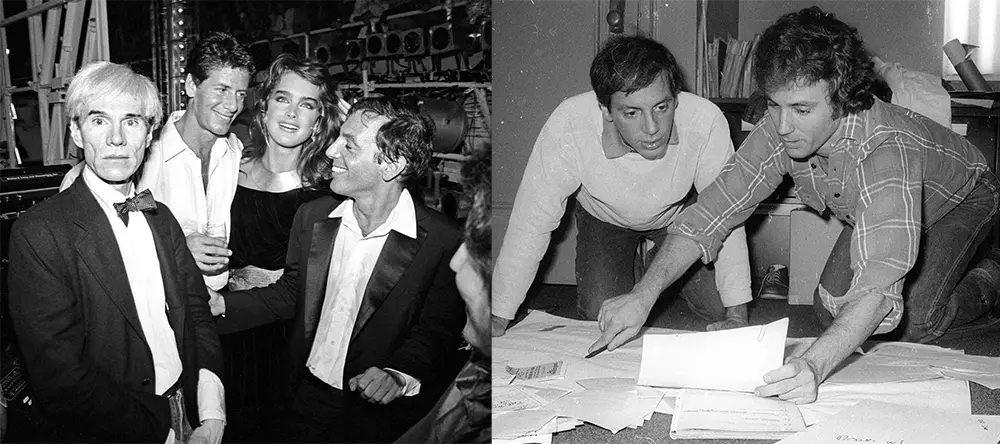
Another part of the conversation centers around utilizing art and design, specifically architects from the fashion world like Andrée Putman. “The fashion world thinks they know better than everyone else” by pulling in stars from the art and fashion worlds, Ian solidified his spaces as anchors for the driving forces of those industries. Rose bar is essentially a recreation of Julian Schnabel’s living room. The understanding of art and designs impact on a space correlates with what I wrote about last week on art and restaurants.
I interacted with Ian on a few occasions, and was constantly blown away by his grasp on all things relating to selling the story of his worlds.
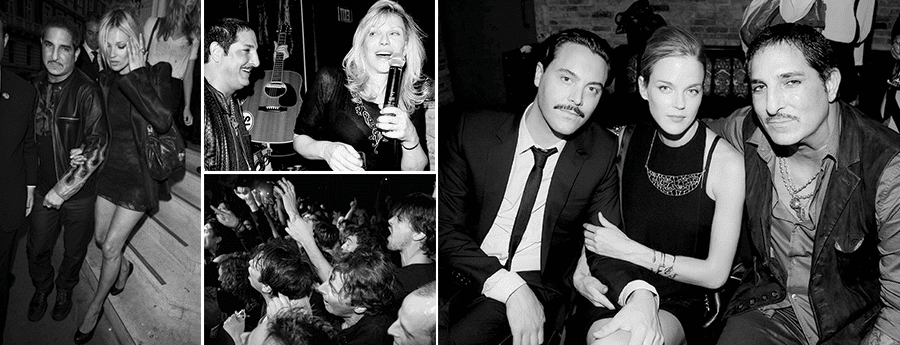
In 2009 I had Gramercy Park hotel and Rose Bar as a client, Nur Khan was at the helm of the venue facilitating legendary performances from the likes of Guns N’ Roses, The Cult, The Black Keys, and the Kills, on a monthly basis, in a room for 200 people.
We had incredible content, live recordings and photos. Blogs and digital content were emerging as a powerful new medium, social media did not exist yet. I was given about 10 minutes to pitch him on the power digital content, he got it immediately, likening it to what Vanity Fair had done for him in previous eras. By the end of this short allotment of time he was rattling of incredible people to interview and bring into the flow.
To his credit Ian prioritized budgets to build cultural centers of gravity. As he explained at the Boutique Lifestyle and Lodging Association conference: “It’s critical. It’s an experience. It makes a hotel more than just a place to sleep.”
I remember when Marriott bought GPH and members of the sales team flew in to question why they were spending money on concert programming at Rose bar. They wanted to know how performances for 200 VIP’s correlated with room sales. It took a lot to get them to connect the outsize media and cultural attention the hottest club in the city was garnering for the overall prominence and ability for the hotel to charge premium rates. This was nearly 15 years ago, a decade later, the experiential playbook has proven this correlation works.
Ian’s always bet on vibe, creating spaces that become epicenters and amazingly hold relevance for long durations, something extremely difficult in hospitality.
CREATIVE EXPRESSION IN THE AGE OF AI
On Monday, we’ll be hosting a panel at our new offices with Abri Mars and Kunel Gaur.
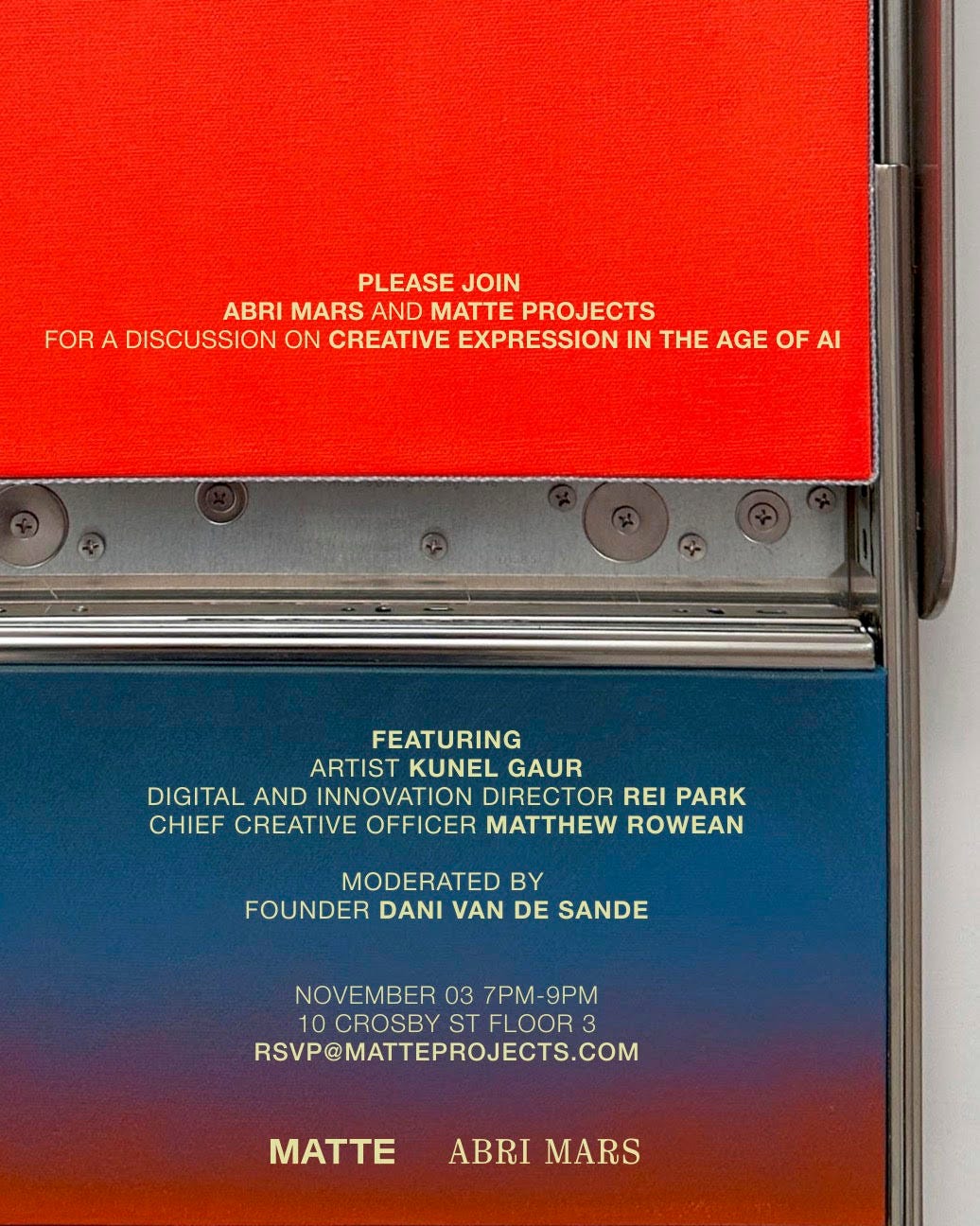
This is something MATTE will be doing lot more of, with our new office providing space for creative conversations across a wide spectrum. Formats can range from panels to dinners (we did our first dinner last week).
Please contact me if you, would like to come, have ideas or would like to collaborate.
HOW TIKTOK HOOKS
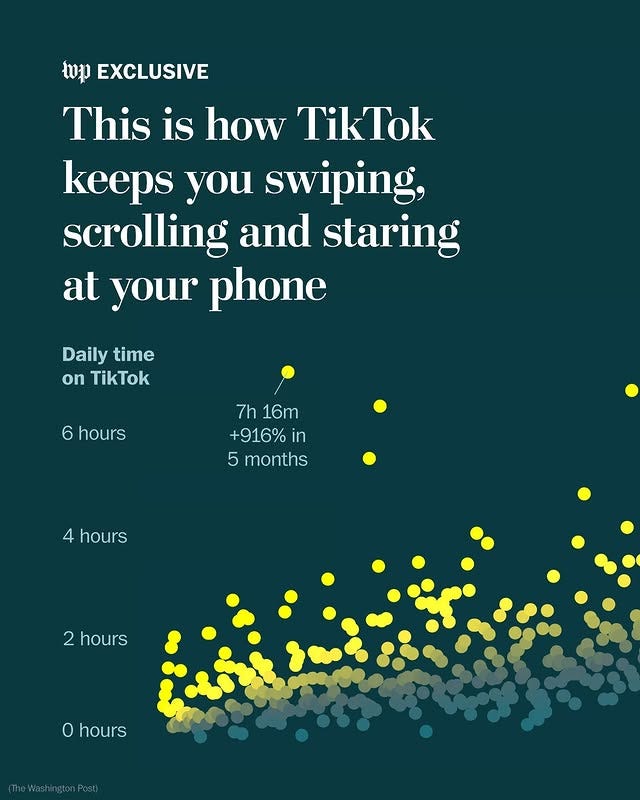
The Washington Post went deep, with a recent study of TikTok watch histories from more than 1,000 users to try to understand the algorithm we know is effective but very little about how it works. TikTok sits at the top of the list of platforms “teens could not live without.” (Pacsun’s youth report).’
“It’s not really that you as the user, or we as users, get to control how we engage with the app but that the app engages us,”
Thomas Essmeyer, postdoctoral researcher studying digital design and social media. University of Bremen, Germany.
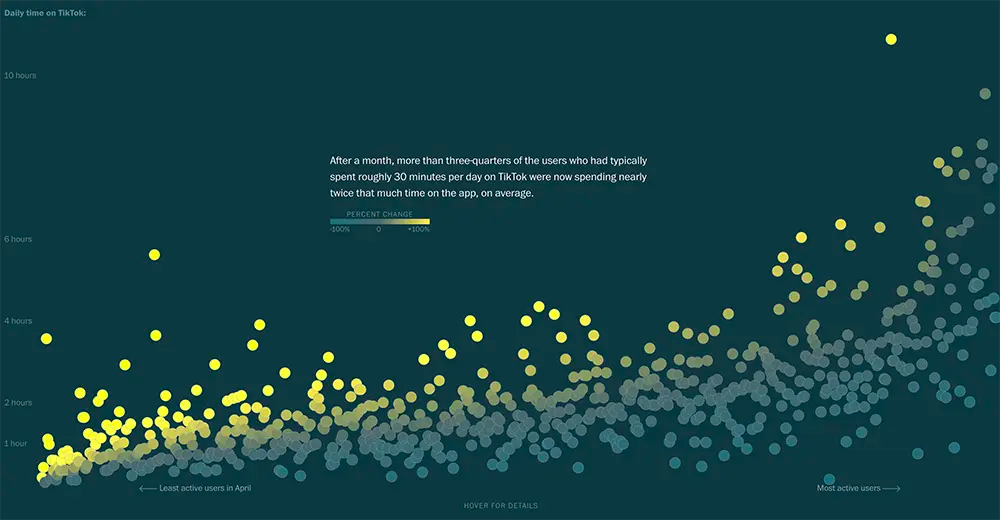
Around 15 million videos over a six-month period last year were analyzed. The alarming stats are around how it hooks users, one example being how ‘light’ users started out 30 minutes a day, and within a week that grew by over 40% to 45 minutes. After 5 months, light users were using the app 70 minutes a day.
“Power” users had a daily watch time of over 4 hours. The LEAST active users spend 45 minutes a day, thats still 11.5 DAYS a year, scrolling.
WHICH IS LEADING TO AN ILLITERATE SOCIETY
Last week I wrote about America sliding into illiteracy, with 33% of eighth graders reading at a level that is “below basic.” Smartphones and social social media play a large role in dismantling our attention spans, consuming and re-directing our most precious asset; TIME.
Its also robbing us of meaning, a recent report found 58% of young adults find little to no sense of purpose in their lives (Harvard).
James Marriott’s piece in the free press; The Dawn of the Post-literate Society, examines the profound positive effect reading had as one of the most important revolutions without bloodshed in the 18th century, as ordinary people began reading, then he digs into the counterrevolution. Sadly books are dying.
You do not have to believe print is a perfect and incorruptible system of communication to accept it is also almost certainly a necessary precondition of democracy. (The Free Press).
It could be coincidence, but as the internet emerged 20 years ago, followed by the smartphone in 2010, daily reading for pleasure in America dropped by 40%. Children’s reading is at the lowest on record, and across the UK a third of adults have stopped reading for pleasure.
Our general intelligence is for the first time declining, after a steady rise through the 20th century, IQ has begun to fall.
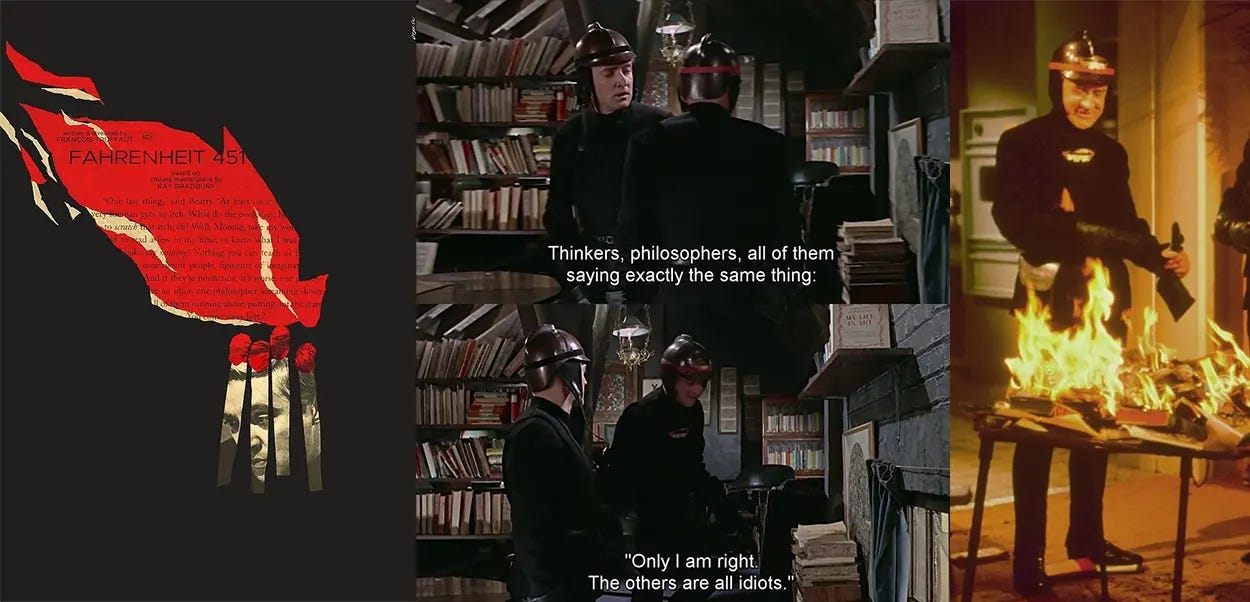
This is nearly a direct parallel to the iconic book Fahrenheit 451, where people largely choose to abandon reading on their own as mass media, fast entertainment, and shortened attention spans make books seem slow and burdensome.
In the book government enforces this voluntary shift by outlawing books to eliminate the minority who still read and might challenge the shallow, uniform happiness, believing reading fosters critical thinking, emotional depth, and conflicting ideas that disrupt societal happiness and conformity.
Philosopher Walter Ong makes the argument that ‘complex and logical thinking simply cannot be achieved without reading and writing’, the act of writing requires interrogation and refinement, resulting in cooler thought. TikTok and social media are more akin to ‘oral’ habits of thought, more irrational and able to bypass logical argument.
Ong describes preliterate ‘oral’ societies as hostile to literate visitors, seeing them as mystical, emotional, and antagonistic in their discourse and thinking.
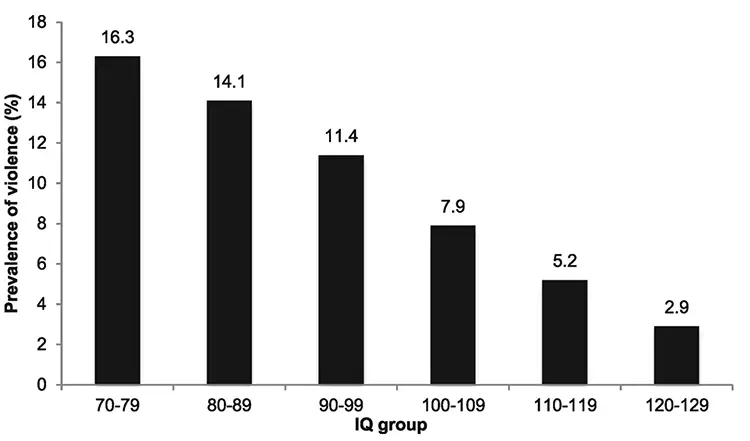
Far more chilling than censorship, is the willing departure from literacy. Data shows, smarter people are less violent.
The good news is, books are available and waiting, we just need to pick them back up.
OUTLANDER IN PRINT
Despite the decline in literacy, Print Isn’t Dead.
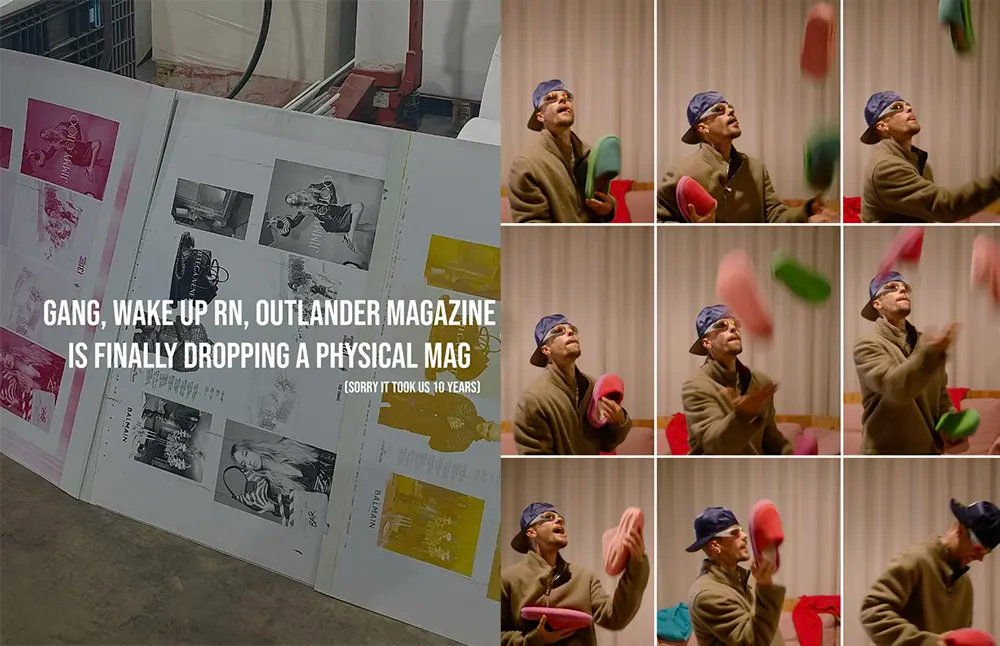
After 10 years of leading cultural coverage as an internet publication, OUTLANDER drops their first print edition with a feature on Justin Bieber and his brand SKYLRK.
Outlander has been a major source of intel and inspiration for me, its a great pulse check on whats hitting, a resource for campaigns and overall creative across fashion art and music.
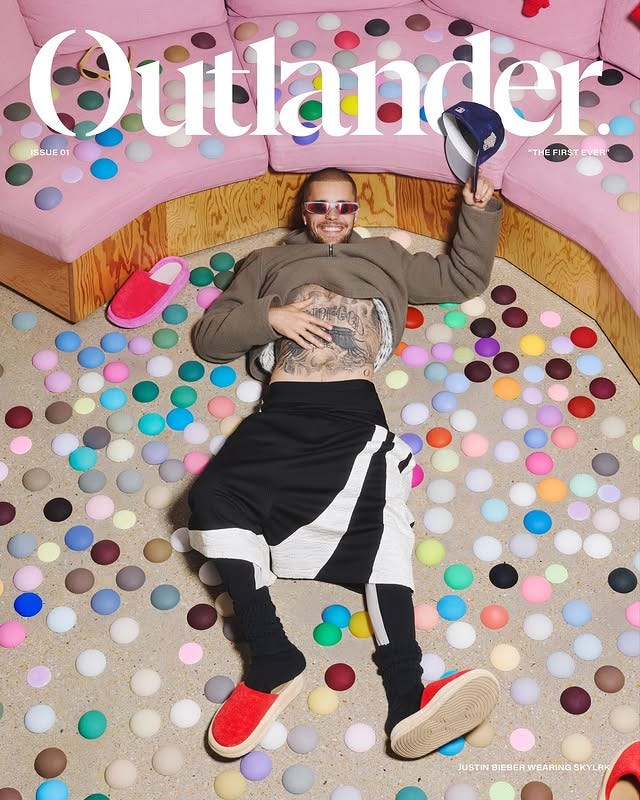
The print edition coincides with the publications evolution into a creative entity in their own right. They’ve been producing their own campaigns, and recently ran open calls for emerging talent to cover fashion shows on their behalf.
Available worldwide at www.outlandermag.com
STUDIO PRACTICE
Travel has been extensive, it seems all of fall at this point. I’ve been fighting for time to get at least one or two days a week to paint, its been a challenge.
I got one day last week, and spent it working on the second in a new series. I’m exploring abstraction of florals over a different approach to base layers, where geometry and translucent layering of many washes has created these textures I’m really happy with.
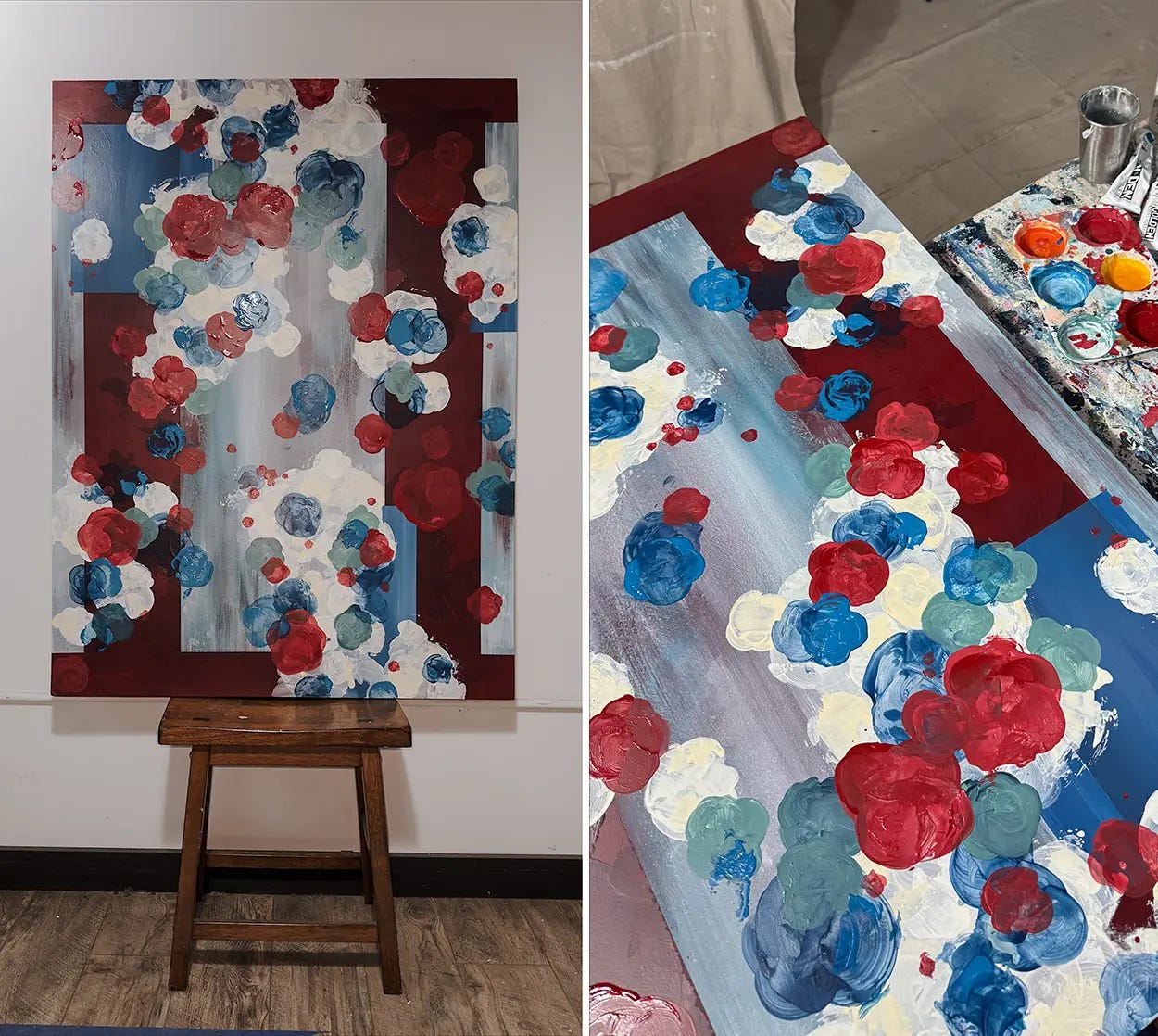
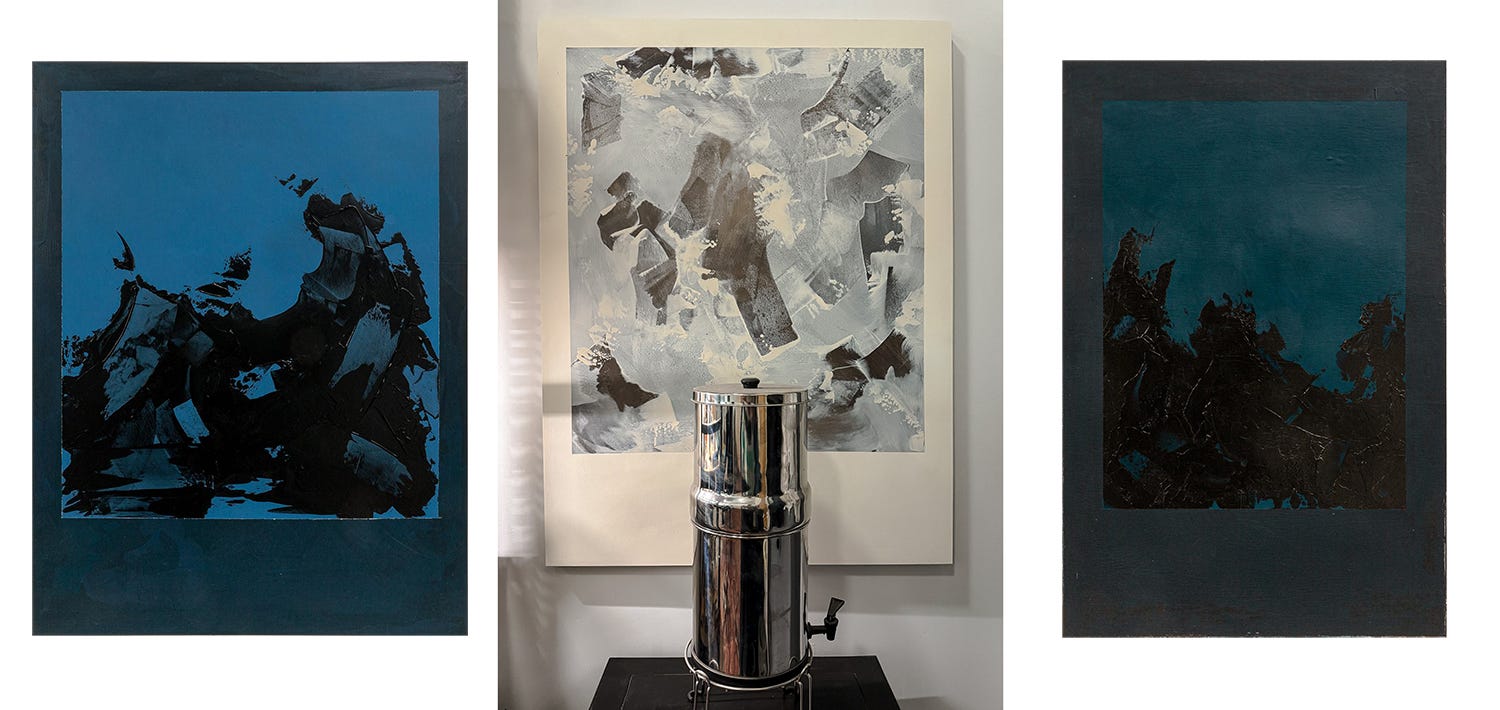
Also three archival pieces. More of my process and painting practice on my studio site.
ARCHIVE WEBSITES
The early aughts flash era has a special place in my heart. It is the era I came up in, from 2004-06 there was a special moment with desktops still reining, as mobile was still in the blackberry era.
A very retro look at the internet of the aughts:
Prior to mobile and social domination, large screens were the primary interface, FLASH coding had not been killed by Apple yet, allowing for a lot of experimentation with animation, music, and really shitty ‘film’.
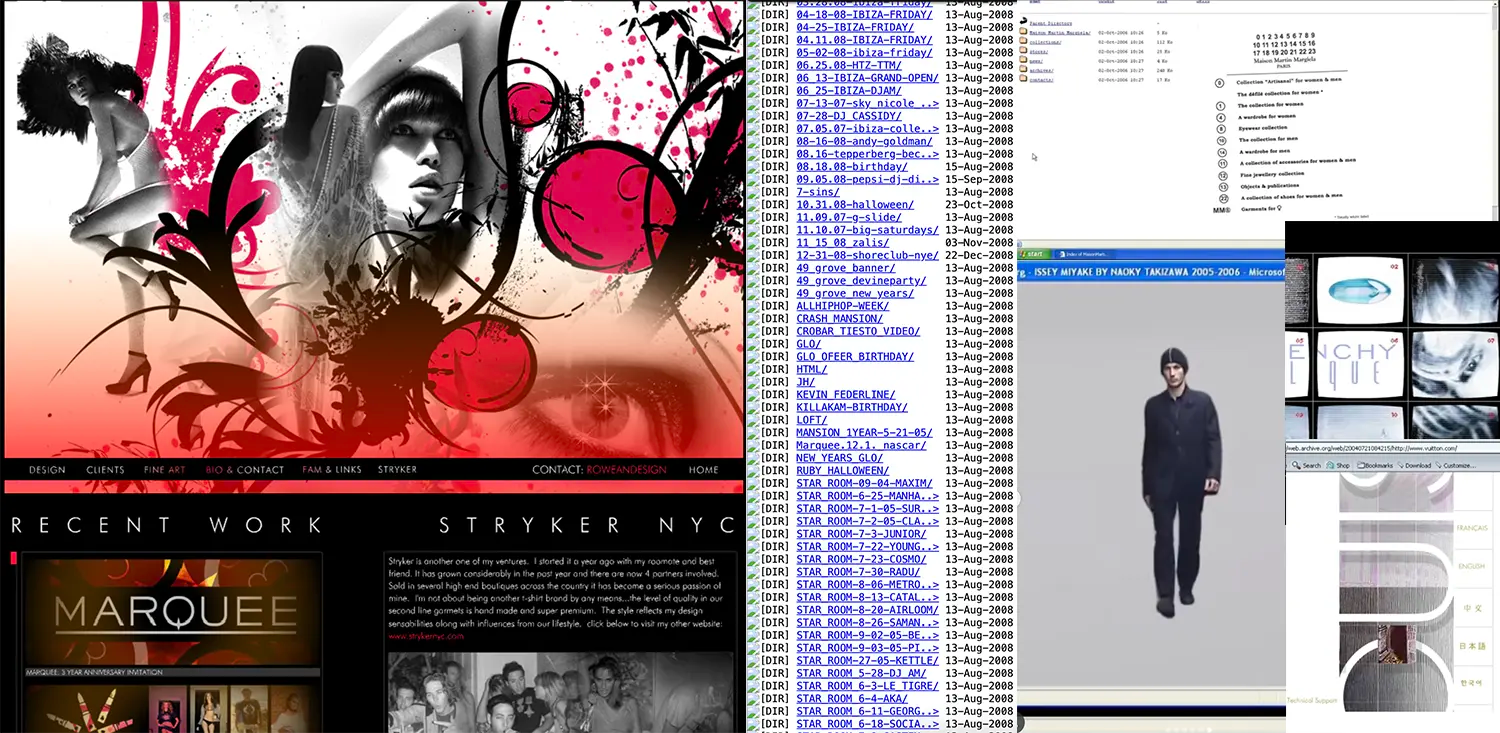
Knowing flash was a goldmine at this time, I had a steady line of work banging out animated websites and flyers on a weekly basis, one of my hacks was placing ‘design by roweandesign’ on the bottom of everything I made, which brands and promotors would send to tens of thousands of people. Not many people knew how to host content at this time so I got away with the free advertising.
Tiktok’r isaiahhaute has been digging around the archives and sharing fashion sites from this era, which lead me to poke around on the internet archive and find my old sites.
Unfortunately - something happened in May of this year, and a large amount of snapshots disappeared. This is sad as it made a significant portion of my projects break, and made me even more aware that I don’t have archives of this work. I would have loved to access old DJ AM, Mark Ronson, and Star Room invites.
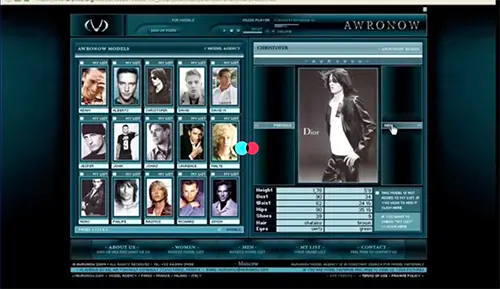
Their laughable now, but its also a lot of fun to dig around the internet archives. I was able to find my old site, and hundreds of ‘hosted flyers’. Many of the people who were hosting and dj’ing clubs at this time, absolutely blew up.
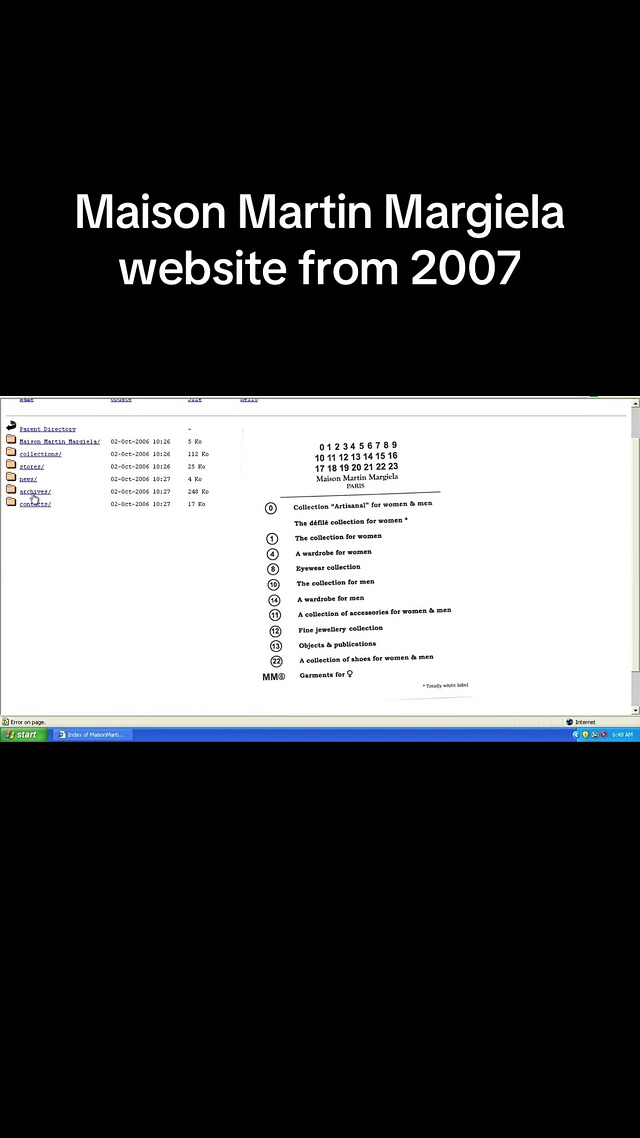
 Tiktok failed to load.
Enable 3rd party cookies or use another browser
PIERRE HUYGHE @ ZOLI
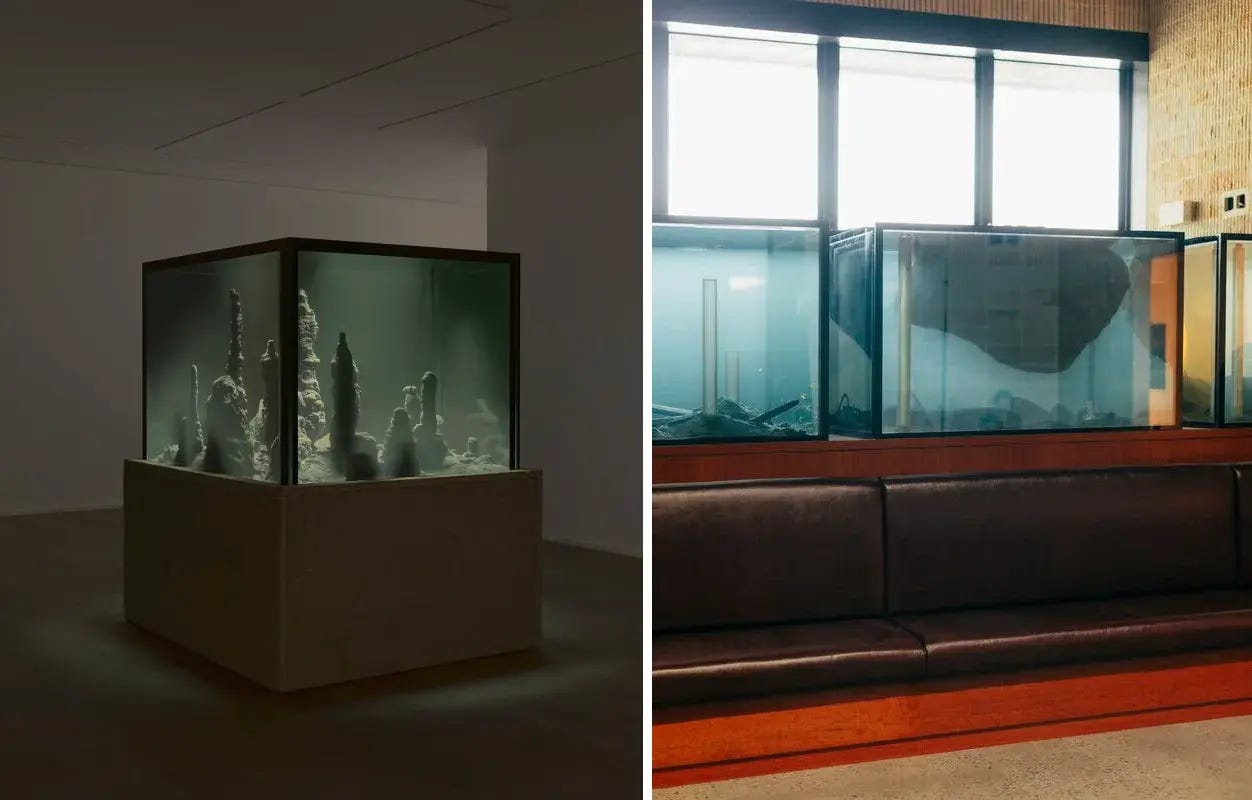
Pierre Huyghe, an artist who creates incredible sculptures playing with light and depth, usually with fishtanks as the ‘canvas’, just installed a site specific new work ‘Satellite’ for Zoli, a new restaurant in the Amant arts center, east Williamsburg (New York).

These living, breathing aquatic sculptures have rising and falling water levels, differing ambient light and living creatures. Marian Goodman also represents a larger body of his work.
CLIFFORD STILL’S CATALOG
I love the back of house, the behind the scenes, from film to art to anything really.
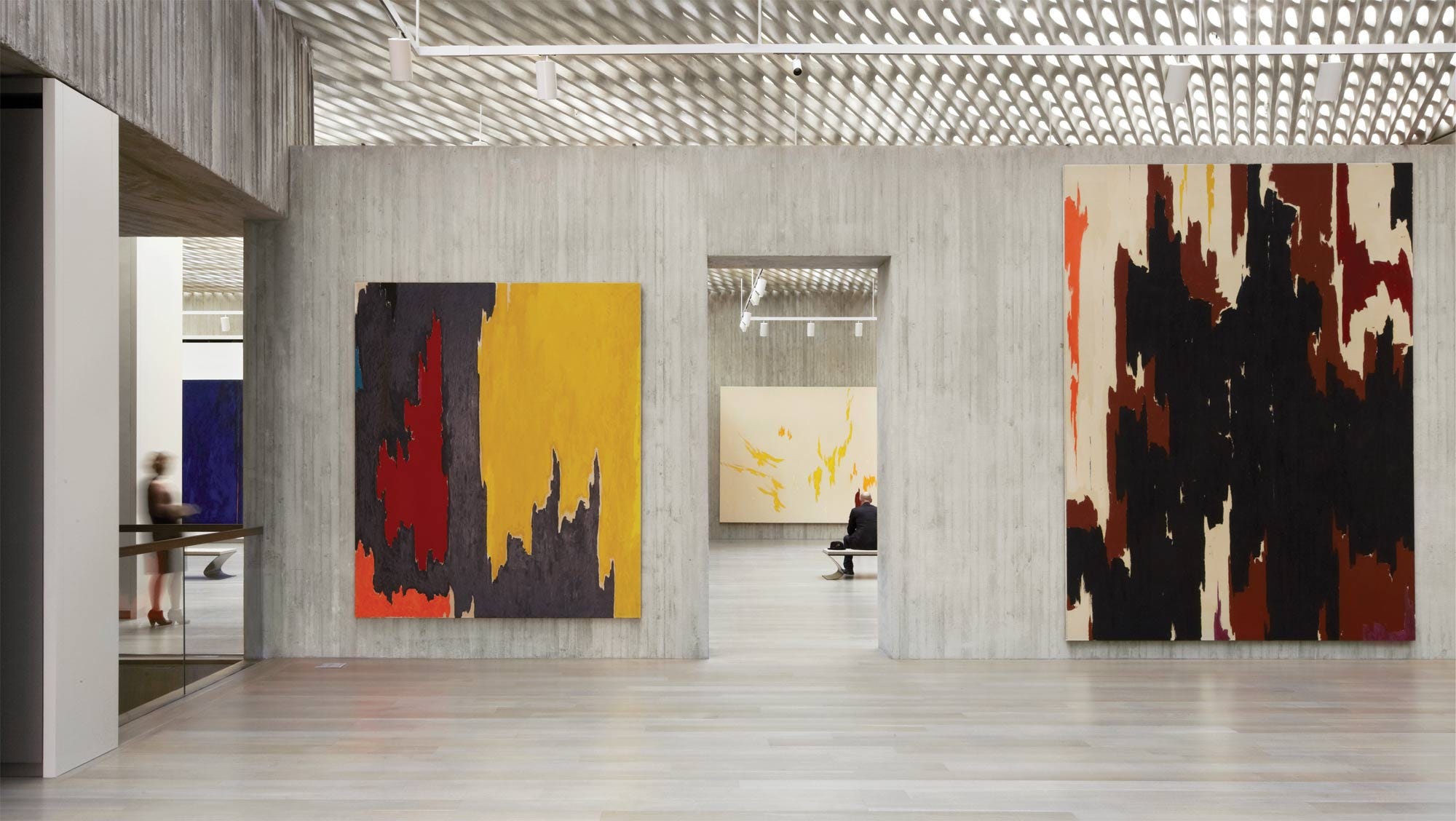
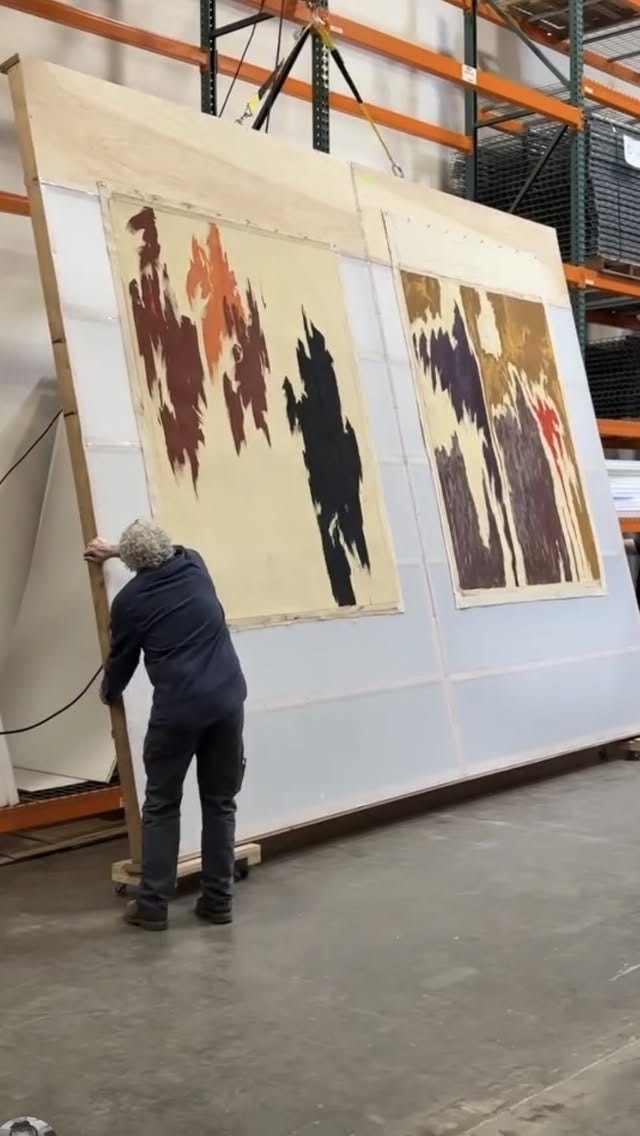
This short on the Still Museam’s archive process not only includes many of his wonderful paintings, but unique systems the museum made to photograph and showcase large canvases without having to stretch them. The museum, in Denver are the caretakers of roughly 93% of the artists body of work, with over 200 oil paintings.
Clifford Still is one of my favorite American painters.
DAVID CHASE. MK ULTRA

This one has me so excited. The creator of possibly the best prestige drama in history, the Sopranos is working on a new project about the CIA’s infamous MKUltra program. The one where we kidnapped drug addicts, took their children and worked on mind control programs for 20 years. The CIA has admitted to dosing people with acid and a whole plethora of unbelievable tactics during the height of the cold war. MKUltra is one of the inspiration points for stranger things.
David Chase’s limited series will focus on Sidney Gottlieb, often known as The Black Sorcerer, head of the CIA’s MKUltra program. Much will be based on the book; Project Mind Control: Sidney Gottlieb, the CIA, and the Tragedy of MKUltra by author John Lisle.

I’m a huge nerd about all things black opps, CIA and conspiratorial. If you want a primer on how wild our clandestine world is, read The Devil’s Chessboard: Allen Dulles, the CIA, and the Rise of America’s Secret Government. It will fascinate, thrill, sadden and anger.
If anyone is up for the job of this narrative, its David Chase, the level of accuracy, research and realism he brought to The Sopranos will be incredible to translate to one the CIA’s darkest and wildest periods. I hope he goes into the Montuak Project.
WSJ’s AUDIENCE EXPANSION
In two years, Sarah Ball has more than quadrupled WSJ’s monthly subscriptions, an incredible feat while many of her media peers are loosing readers by the tens of thousands.
She’s done this by expanding aperture but remaining focused on core reader interest points of luxury, wealth and business, with content that’s drawing in a younger audience.
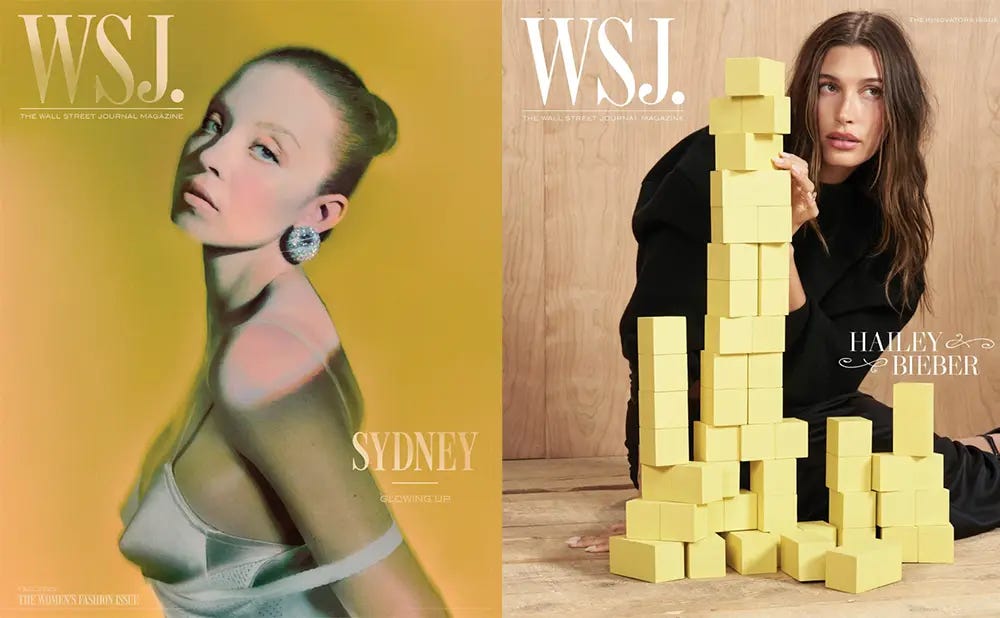
Younger aspirational titans and more women like Sydney Sweeney, Hailey Bieber and Alix Earle have rolled out alongside more weighty coverage like the financial implications of David Geffen’s divorce battle.
All of these young stars have legitimate business accomplishments justifying profiles, their just more RELEVANT, it’s also great to see profiles outside typical business titans.
See BOF’s: How WSJ. Magazine Is Expanding Beyond Its Base
You can also peep their media kit for stats.
Fun fact: The average reader of WSJ. Magazine has a net worth north of $3 million
SANDISCK’S IDENTITY
Just came across Aino, a Scandinavian design and technology studio.
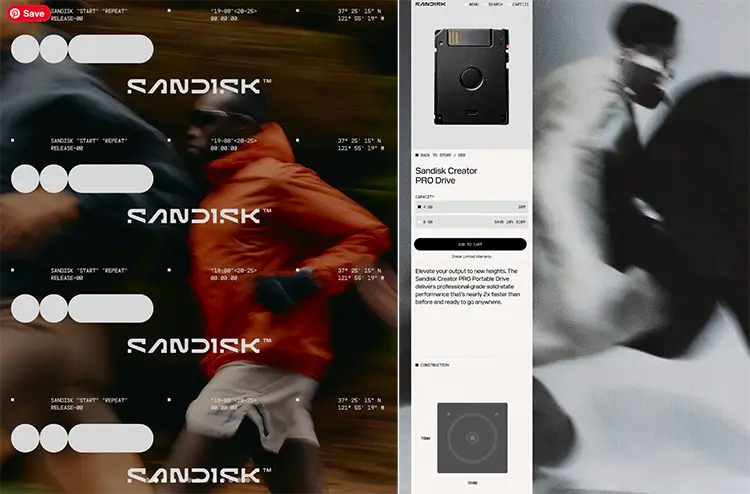
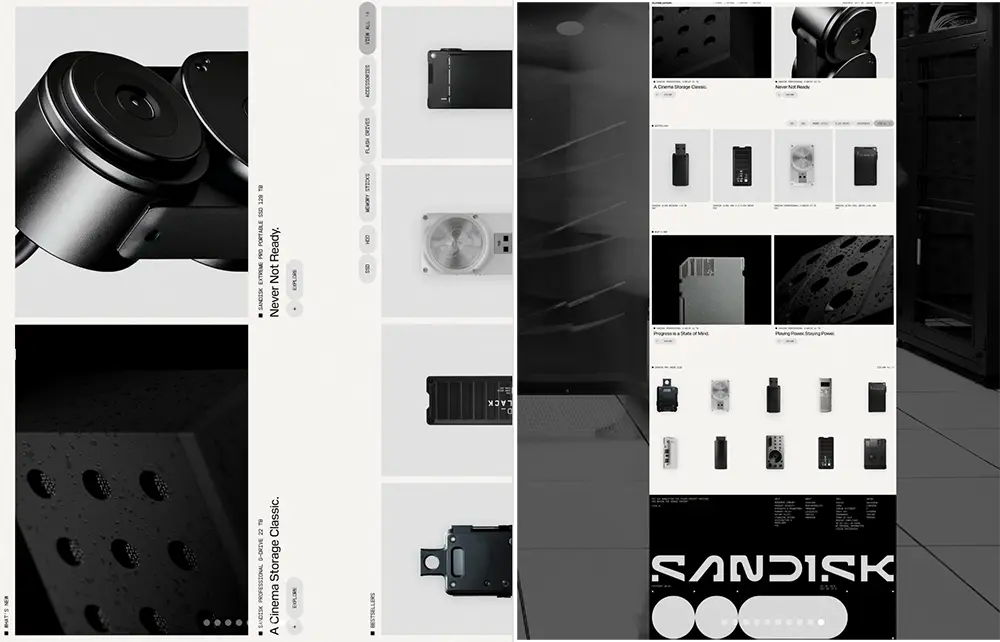
Their beautiful rebrand of Sandisk caught my attention, from the custom type work, to the motion, product photography and web systems. I’m constantly on the look for amazing niche design shops, if you’ve got good ones send them my way.

AIRLINE BUSINESS
Delta and United account for the majority of the entire industries profits since 2022 (NYT). Airline quarterly reporting this month showed these two airline are continuing to separate from their peers, driven by increased revenue from premium seating, loyalty programs and more international flights. 41% of United’s international seats are now dedicated to premium cabins. Delta alone is expecting to claim 60% of the industry’s total for the quarter despite being 20% of the market.
In contrast, spirit has gone through 2 bankruptcies in a year, ending 2024 with a net loss of $1.2 billion. Spirit hasn’t posted a profit since 2019, and watching them try to pivot to “premium leisure” during bankruptcy proceedings is a real-time example of a company that fundamentally misunderstood where the market was heading.
“What’s changed over the last ten or fifteen years, the premium products used to be loss leaders, and now they’re the highest margin products.”
Glen Hauenstein (President, Delta)
This is reflective of the K shaped economy at large, as high earners are spending more on travel, while those in lower income brackets are cutting back / not traveling at all.
Just last week I had to fly to Aspen, an extremely limited route pre-season. I chose flying to LA then BACK to NYC in order to stay on Delta as I didn’t have status on the other flight option. This is stupid, but a real example of the power these loyalty programs hold on consumers.
The lounge arms race has also heated up, with a combination of premium airlines and credit cards like Amex and Chase Sapphire duking it out to capture a finite and coveted high earning clientele. 2025 is the year of ‘peak lounge’, theres now levels.
Standard lounges are no longer enough, Delta’s lounges have had massive lines for several years now, too many people hit platinum or were able to use credit cards for access. The company infamously changed their rewards thresholds last year, making it significantly harder to earn platinum and diamond status. This year they introduced Delta One Lounges, for business class and 360 customers only.
SUBSTACK’S GROWTH
Substack’s rise seems meteoric, especially in the past year, but its actually been more of a slow burn over 8 years. Whats changed perhaps is a wider appreciation for substance, and an alignment to the platforms critique of social media. Their app has also played a major roll in growth, layering in ‘chat’ and live video conversations which places them in the podcast playing field.
The company has been having a banner year, after raising $100 million in July (NYT). Substack is the only one of the fifty largest english language news sites in the world to show growth. (Most legacy and media platforms are in decline, battling social media distraction and AI changing traffic flows.)
Minutes spent on Substack are up 300% this year.
Long-form, niche, thoughtful content seems to be rising as we move away from traditional influencers. The ratio matters as well, Substack doesn’t specifically publish this data, but some rough calculations show the platform touts over 2,000 readers readers per paid writer and 5 million paid subscriptions.
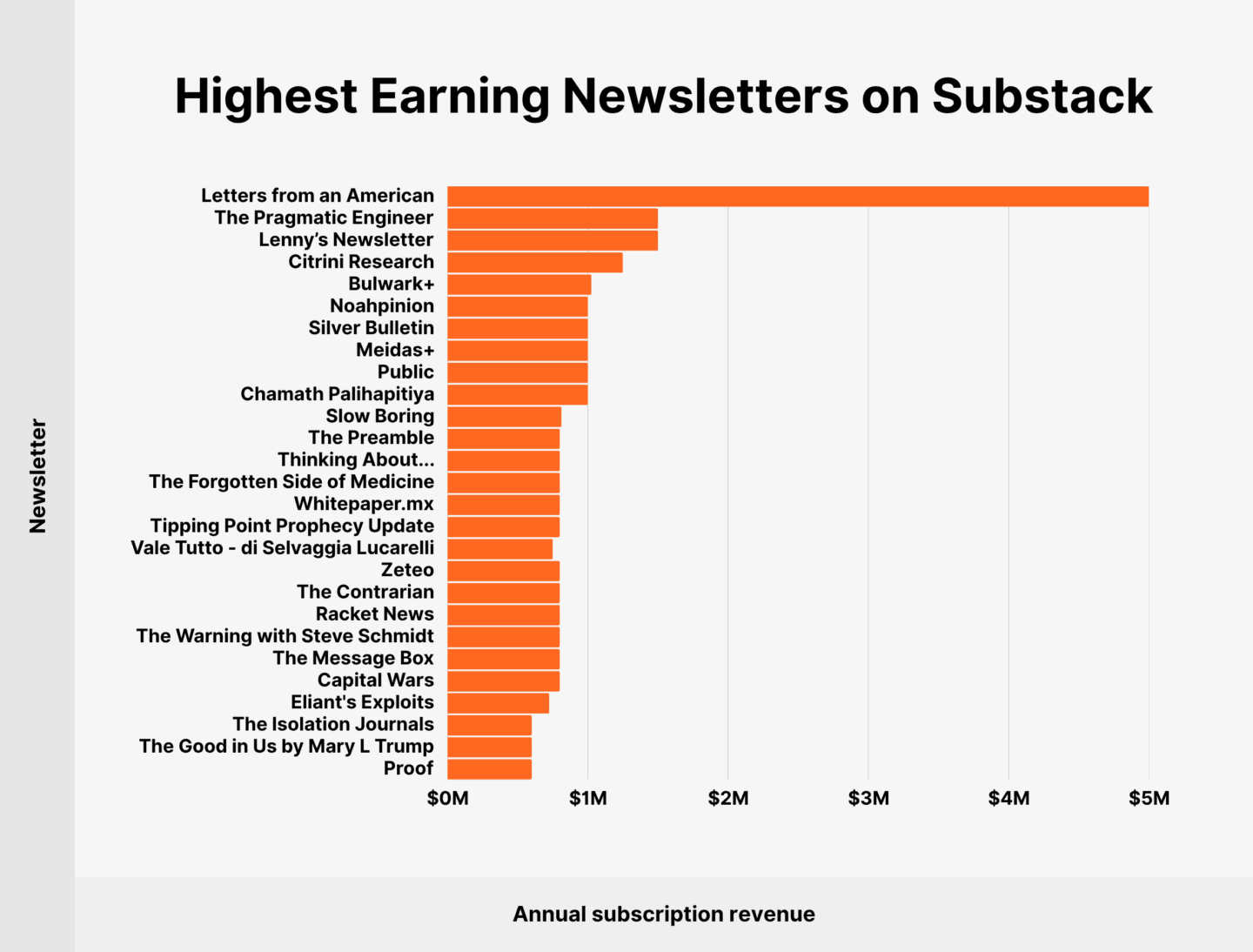
The top 10 Substack authors collectively make $40 million a year.
With a more organic system of exposure, individuals and brands have a much better chance to grow on Substack vs deeply entrenched and opaque algorithms on instagram.
Substack being reader focused is what inspired me. I never resonated with the type of ‘in front of the camera’ short form content needed to succeed on instagram, and felt like Substack was the best platform to grow an audience based on genuine interest and information sharing.
Brands are starting to pay attention (which is receiving mixed reactions). Luxury brands should be paying attention, the majority of top fashion Substacks are focused on luxury.
This aligns with a larger shift in fashion to align with ‘communities of depth’. Miu Miu, Chanel, and Prada all launched ‘Literary Clubs’ in the past few years. I predict you will see more fashion brands move AWAY from traditional influencers and towards people with deeper outputs and more niche communities.
I wrote the other week on global decline in social media use, hopefully intellectual curiosity becomes the counter-pivot.
For more stats on the platform, check out: Brian Dean’s Substack User and Revenue Statistics
What’s below the paywall:
The Ordinary. Shaking up beauty. Where are the homebuyers? Elon on Robots and the future of his focus. OpenAI’s big week (Atlas browser, Microsoft, IPO and Mental Health data). Retinal Implants allowing the blind to read. Project Shadow. Book Reccos.
