

INTAKE 27
PROJECT 3. TIKTOK NEWS FLOW. STATE OF NIGHTLIFE. DEATH OF COOL. FEDERAL ART AUCTION. JOSEPH HART. ARTIST HOMES ON MARKET. TECH EARNINGS. JOBS NUMBERS. DEBT INTEREST AND TARIFF REV. JAGUAR CEO RESIGNS.

PROJECT 3
PG Lang, the creative force behind Kendrick’s endeavors for a long time now, is about to expand its halo. Smartly set up with his friend and collaborator Dave Free, it has been a way for Kendrick to control his message while being a lucrative funnel for brand and production money.
From music videos to brand campaigns, PG / Dave has been behind things such as the smart marketing into the Super Bowl, Recent Calvin campaigns, Chanel campaigns, and films (which led to Kendrick’s ambassadorship), and has been listed as one of the most innovative companies.
Last week, it was announced that Kendrick has launched Project 3, an evolution into a full-fledged creative agency, through the acquisition of Frosty. Creative direction, content production, and event planning will be core service offerings. Project 3 is a reference to the three main pillars of storytelling: beginning, middle, and end.
TIKTOK NEWS FLOW
No surprise here, but an update on the stats: 39% of those under 30 (U.S) get their news from TikTok. They don’t actively seek news; they let the algorithm bring it to them (Atlantic)
Of that news, less than 1% is coming from accounts that are traditional media outlets (according to Pew's latest social media and news fact sheet).
This is exactly how an algorithm can steer public opinion or drum up division. TikTok's system prioritizes watch time, rewatches, and shares, often the most emotionally charged or polarizing content.
A DEEP DIVE ON NIGHTLIFE
The first in a series of articles I’ll be writing with Lola Keyser, a fellow at MATTE.
We wanted to deeply examine subjects from a multi-generational perspective. These will range in topic and we’ll work to get insights and interviews from a wide range of people tertiary to that topic.

Starting with Nightlife, and the state of social interaction. Where do kids go out these days? So much recent news has been on ‘Gen Z doesn’t party’ or that they are drinking less. HOW WE GO OUT NOW is a deep dive into nightlife culture, from my era to now.
Somewhat related to this, “Have you ever approached a woman in person?” That seems an innocuous question with a sadly surprising answer. "Risk Aversion and Dating," a study by psychologist Andrew Thomas, PhD, found that:
"45% of men aged 18-25 have never approached a woman in person."
The research explores themes like risk aversion in dating, reasons for not approaching, and related regrets, with a focus on generational differences (e.g., Zoomers vs. Millennials). Ironically, 74% of women aged 25 and below (and 77% of those 18-30) expressed a desire to be approached more often.
THE DEATH OF COOL
David Samuel cuts deep in his assessment of our current cultural monoliths. 2025’s most visible icons are no longer cool; they're more akin to corporations. Elon Musk isn’t cool, nor is Jay-Z (anymore), nor is Beyoncé. This point of bigness that occurs, where the image becomes so controlled, so massive, David points out, they may be ‘winning’ but they're not cool.
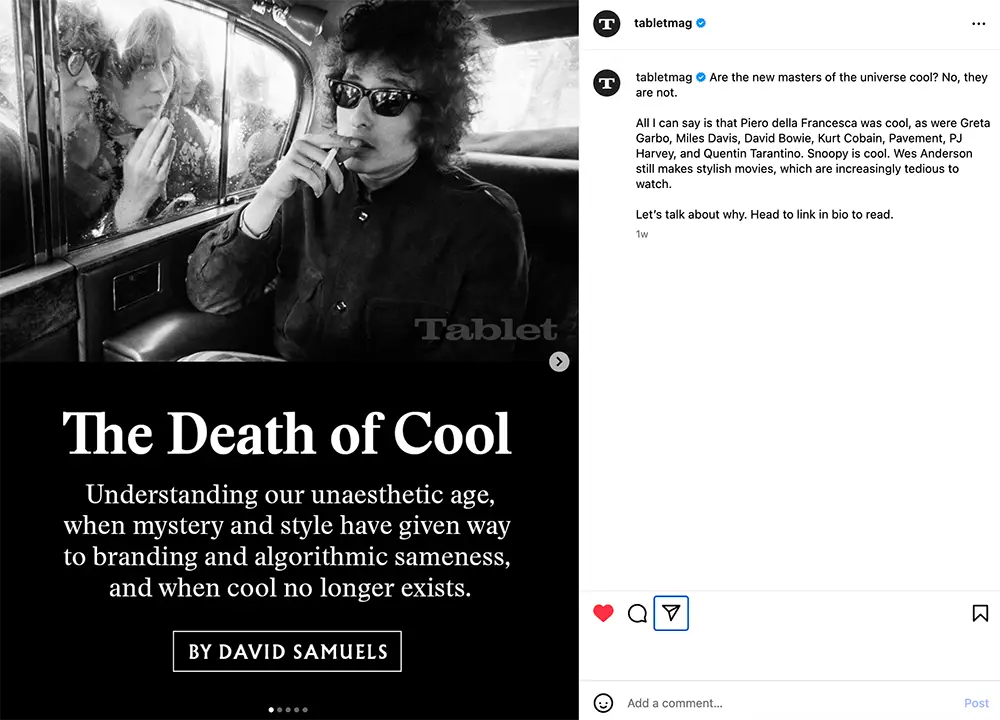
Visibility, fame for being famous, and 'metrics’ are all now factors that can make people famous, which require zero cool. Perhaps it’s a pace thing, release cycles, a constant barrage of content drowns us in mediocre.
There’s a trending term of ‘brain rot summer’ (Amanda Hoover) that speaks to a lack of anything meaningful hitting our zeitgeist. The biggest movies, remakes, and revivals from Jurassic Park, Superman, Fantastic 4, and Happy Gilmore, no net new.
It's August, and we don’t really have a massive summer hit in the music category.
Que AI slop to further dilute a source of genuine cool. Think the general point across both of these articles is that cool requires consideration, irreverence, originality, and things that are ‘relics of a slower more attentive culture’.
FEDERAL ART AUCTION
A continuation of a story that needs to be a movie, back in the early aughts, a huge spender was all over the nightlife scene, racking up 6-figure bills, per venue, on a constant basis. I vividly remember this time, he was ‘outed’ as Jho Low, then a 20-something Wharton grad from Malaysia, now a fugitive accused of masterminding the theft of billions of dollars from the Malaysian sovereign wealth fund, 1MDB.
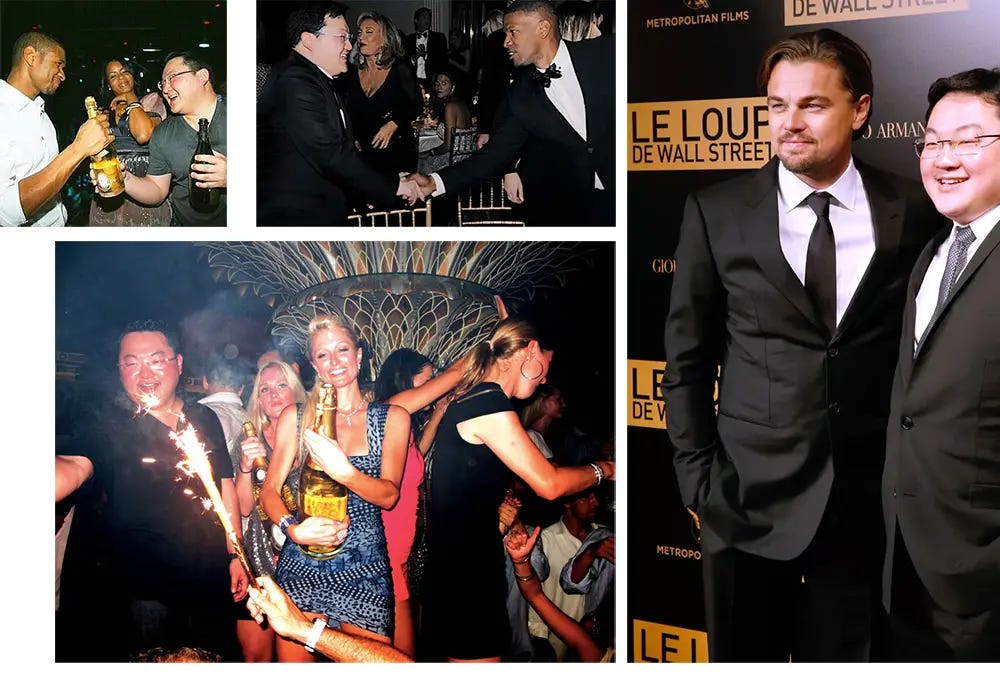
He’s still on the run, and a new development surrounds blue-chip art that was confiscated and gifted to people like Leonardo DiCaprio, who just surrendered three pieces. It's alleged by the Department of Justice that The Wolf of Wall Street had been financed by Low using stolen Malaysian money.
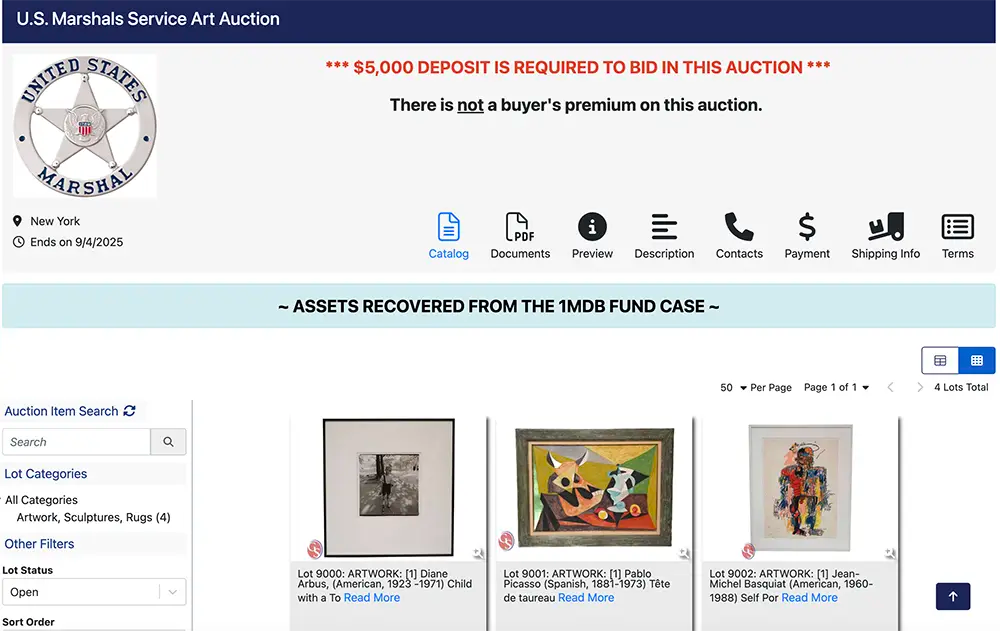
The US Marshals Service is conducting an online sale of four valuable artworks by Pablo Picasso, Jean-Michel Basquiat, and Diane Arbus (Art News). The auction will occur on a government website that is so crazy looking that many reputable advisors didn’t believe it was real. According to advisors, the benefits are that these pieces will go without typical additional fees associated with larger auction houses, and current bids are way below market value. You have until September 6th to place bids.
“If someone sent me this website that wasn’t you, I would probably be like, ‘someone’s trying to scam me.”
- Art Advisor Arushi Kapoor
Someone needs to make this movie. Low is allegedly in China with a fake Australian passport, according to the latest news (Bloomberg).
JOSEPH HART

Halsey McKay, East Hampton, has a great August showing of Joseph Hart’s paintings. I love his color pallets and underpainting work. The base colors really pop through the more muted pastels. This is a beautiful body of his work.

Halsey is also the founder of Deep Color Podcast, which interviews artists and tells their stories.
Halsey McKay, East Hampton | Aug. 2–25
MARGIELA’S CRAFTSMANSHIP
The craftsmanship videos behind the Artisanal 2025 Collection give real depth and validation to what I’m going to call artwork. Brushwork inspired by Gustav Moreau


Masks are sculpted from found objects are crushed and sawed into. Seeing the level of effort and detail that goes into this collection is something that helps justify the true luxury caliber of these objects.
ARTISTS’ HOMES ON MARKET
Last week, HypeArt covered Rothko’s former studio at 157 East 69th Street, returning to market at $9.5 million. It’s been fully renovated, so you're getting more of a modern building than his actual studio, but it’s going for 500k less than when it was originally listed. Rothko created what I feel are some of his most iconic paintings here, specifically for Houston’s famed Rothko Chapel.
You can also grab Anish Kapoor’s 56 Leonard apartment for $17.75M (a $250k reduction from when it went on the market last year).
The ‘Jenga’ building is kind of a bust, though. I live close and would have to say it looks about 20% occupied most of the time, lots of ‘parked’ money, but not many people actually live there. It also manages to be on one of the ‘off vibe’ blocks in Tribeca; these exist.

Lorena Simpson's 208 Vanderbilt is also on the market for $6.5M. This is my favorite of the three properties; the building is chic, and the lighting is incredible.
BUSINESS AND MARKETS
PULLBACK
Last week's torrent of earnings got overshadowed by a dismal jobs print, sparking Friday's selloff, but by midweek, markets shrugged it off, clawing back nearly all losses on resilient investor sentiment. Another 20% of S&P reports earnings this week.
Potential positive developments with Russia and Ukraine could be a major lift to markets. Putin and Trump are to meet in the coming days about a potential ceasefire deal. (BBC)
Jobs data drove headlines and markets last week, with only 73,000 new jobs. This was lower than estimates of 104,000.
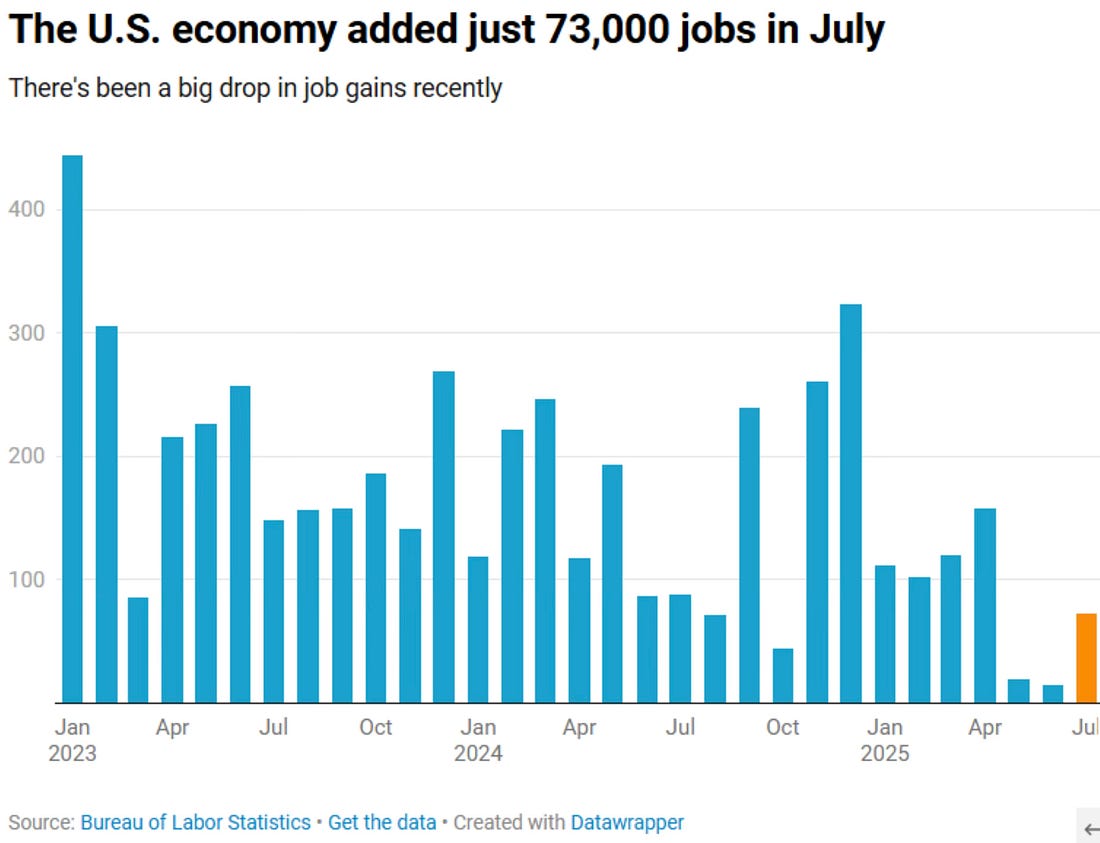
Massive data revisions were the real issue. You can see in the charts above and below that May and June just erased 258,000 jobs. Data errors like that are alarming. 24 hours prior to this revision, the Fed had said we have a "strong labor market."
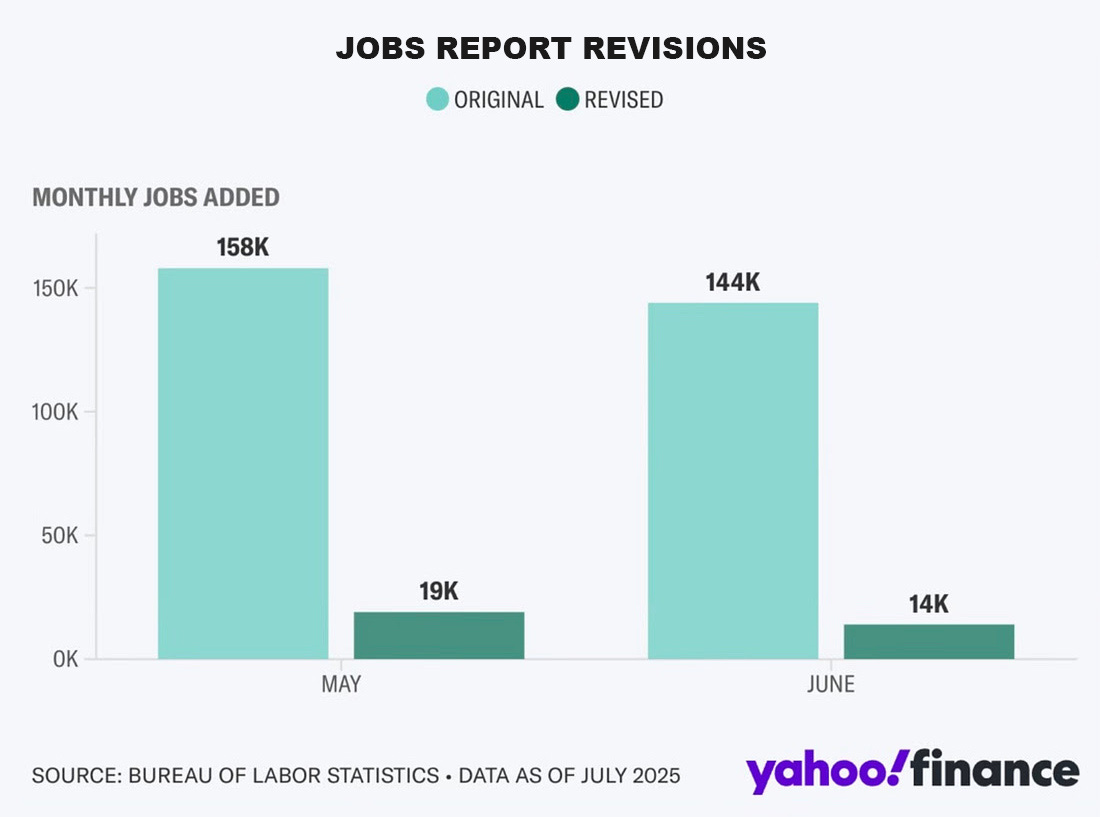
Massive data revisions were the real issue. You can see in the charts above and below, May and June just erased 258,000 jobs. Data errors like that are alarming. 24 hours prior to this revision, the Fed had said we have a "strong labor market."
Trump fired the commissioner of labor statistics, Erika McEntarfer, claiming weaponization of numbers, which is what grabbed headlines last week.
We need our fed and our statistics departments to be able to operate without administrative influence, but there is also clearly a broken system in place.
Politics aside, these quarter-million+ revisions expose our outdated stats engine.
Take CPI: BLS deploys collectors to visit, call, or web-scrape thousands of outlets monthly, amassing ~80,000 prices for goods, services, and rents via in-person checks, phone surveys, apps, and online pulls.
That data is released monthly, but with weights refreshed only every two years, that’s a lifetime compared to private-sector real-time analytics like Amazon's instant transaction dashboards or any major credit card’s continuous feeds. BLS actually published its own modernization proposals in 2021, with unfortunately little progress since then.
This manual grind lags real-time possibilities from anonymized credit card feeds or Amazon e-commerce integrations, which could enable quarterly weight updates from billions of transactions, spot instant shifts in consumer behavior, and cut biases like human misreporting in surveys or underrepresentation of online spends. Objective raw records should be the standard, rather than error-prone inputs.
Switzerland’s been ahead here, tracking daily inflation via debit card data since 2020, while Canada experiments with payments for nowcasting GDP.
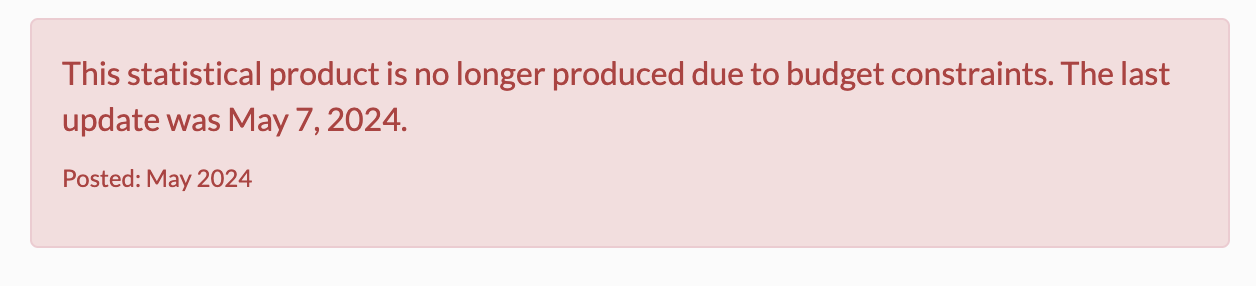
We got close to tracking real-time spending, then cut it due to budget constraints.’ This data drives policy and interest rates; it’s critical we get it right and much faster.
Back to labor specifically, concentration is also a concern; 75% of those jobs are coming from healthcare, while 25% of US manufacturers reduced their payrolls last month. Something I looked at last week in an assessment of why young men are having a hard time finding employment.
Another concern is duration, especially for high-earners (>$100k), with only a 52% shot at landing a new gig within three months (the worst since March 2021). Unemployment now averages 21 weeks, up from 19 pre-COVID, with nearly a quarter stuck jobless for over six months, a high not seen in years. This is primarily fueled by tech layoffs.
The silver lining to a weakening job market is the increased likelihood of rate cuts. The Fed isn’t going to get 2% inflation anytime soon, but they may have to capitulate on the labor market facts.
TECH EARNINGS SPLIT
Microsoft was a clear winner this quarter.
The Intelligent Cloud segment, led by Azure, posted $28.5 billion in revenue (up 19% year-over-year), outpacing overall growth and lifting shares 7% after the earnings call.
Azure grew 29%, fueled by AI tools like Copilot, embedded in Microsoft 365 apps (Outlook, Teams, Excel) for workflow automation, with over 60% of Fortune 500 firms using it.
"Copilot is transforming work, with customers reporting 29% faster task completion."
- Satya Nadella, CEO (On earnings call)
GitHub Copilot, the AI coding assistant acquired via the $7.5 billion GitHub deal in 2018, has 1.8 million paid users (up 180%), speeding up coding by 55% for 77,000 organizations.
Gaming is split; gaming revenue climbed 10% year over year, while council sales dropped 22%. Ironically, 60% of PlayStation’s top 10 sales in Q2 were Microsoft games, showing strong titles like Indiana Jones topping the PlayStation Store.
"Demand for Azure AI continues to exceed our available capacity."
- CFO Amy Hood
With AI services pushing a $10 billion+ annual run rate. Microsoft is betting big, spending $13.9 billion on AI data centers this quarter.
"Microsoft's Azure is now the AI cloud leader, leaving AWS in the dust as enterprises flock to integrated tools like Copilot that drive real-world efficiency."
- Scott Galloway on Prof G Markets
There is the question of morale and loss of talent with 9,000 layoffs (4% of staff), but right now, Microsoft is one of the divergent leaders of the Mag 7.
Meta leads as well.
With total revenue up 22% year-over-year, beating forecasts and spiking shares 11% after earnings.
Ad sales hit $46.6 billion (up 21%), with AI upgrades driving roughly 5% more ad conversions on Instagram and 3% on Facebook. (Yahoo Finance)
Meta now serves a massive 3.48 billion daily active users, up 6% and spanning nearly half the world's population. The WhatsApp business now has 100 million+ daily active users.
What’s crazy is their 43% operating margins, making them an absolute beast and allowing Zuckerberg to make these outsized bets on AI. (see 300m+ compensation packages for top talent).
Wearables are another area to pay attention to. Ray-Ban Meta glasses tripled sales, and EssilorLuxottica reported 200%+ growth in H1. Demand outstrips supply, per Zuckerberg, eyeing 5M+ units by year-end. The tech has finally caught up with the potential of the wearable market, and Meta cracked the importance of a fashionable product. Zuckerberg sees AR market forecasts hitting 13M by 2026.
Amazon lagged.
Despite revenue up 13% year-over-year, beating estimates, their issue is AWS cloud growth slowing to 17.5% vs Google's 32%. That tanked shares 6% after earnings.
E-commerce held strong with Prime Day racking $14.2 billion (up 10%), powered by Rufus AI assistant's U.S. rollout, personalizing searches and lifting conversions 7-10% in tests.
Ads hit $14.3 billion (up 20%), via Prime Video and sponsored spots. On tariffs, Amazon is hiking prices on 1,200+ items (per WSJ), passing 10-25% costs to consumers while optimizing supply chains.
Turnaround plays: Rufus global by Q4, Project Amelia's AI seller tools beta (automating listings), and Alexa+ subscription ($5-10/month) fall 2025 for smart home prowess with Grok-like smarts for proactive home control, potentially flipping voice search dominance.
This is much needed, my parents have Alexa, and its inability to understand them half the time is maddening.
E-commerce margins at 10% give them a lot of cash flow to play with.
Palantir smashed expectations
With Q2 revenue topping $1 billion for the first time (up 48% year-over-year). U.S. commercial growth of 93% marks a shift from defense to enterprise AI dominance.
Artificial Intelligence Platform (AIP) landed deals with BP ($400M) and Walgreens across 4,000 stores.
Ironically, and somewhat of a statement from someone who builds surveillance tech tracking millions, Co-founder Alex Karp, lives off-grid without a phone.
FIGMA IPO
Figma finally hit the public markets last week, pricing at $33 a share and raising $1.2 billion. Shares surged 250% on debut, opening at $85 and closing at $115.50 for a $59.5B valuation.
Figma is an incredible product I’ve written about several times. We made a company-wide initiative last year to convert all our decks and presentations to the platform, mainly for the ability to present links with video and multimedia, and the ease of collaboration.
Two-thirds flowed to early backers like Index Ventures, who pocketed billions on their initial $20 million bet (totaling $86.5 million across rounds). VC funds betting early got monster returns, a needed IPO amid a drought in major exits.
Sequoia, entering in 2019, scored 95x on its investment.
Figma’s team also made generational money hard-earned after a long journey with one of the longest paths to product market fit, drama with the Adobe merger, and a lot of pivots along the way.
Dylan Field (CEO) sits on roughly $6.3b after selling ~$78M worth of stock at IPO. controls 74% of voting power.
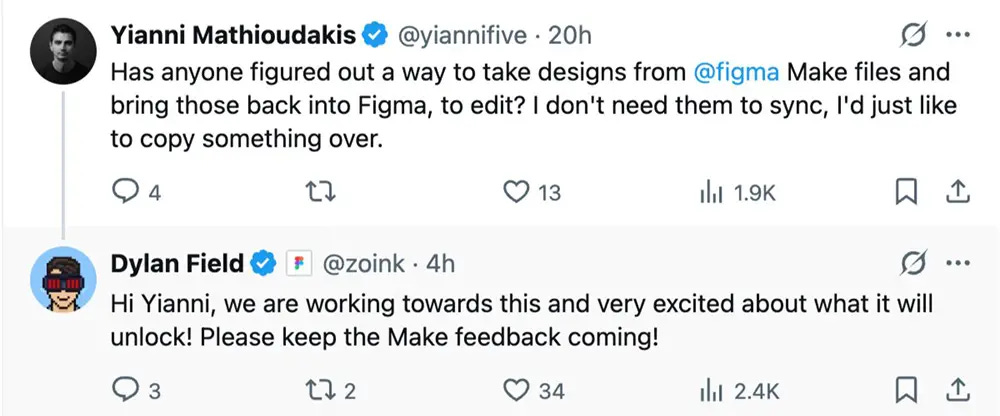
Cofounder Evan Wallace didn’t sell anything and donated $440M worth to a nonprofit.
Retail investors were sidelined, estimates peg access at under 5% of the offering. Robinhood users got single-share allocations.
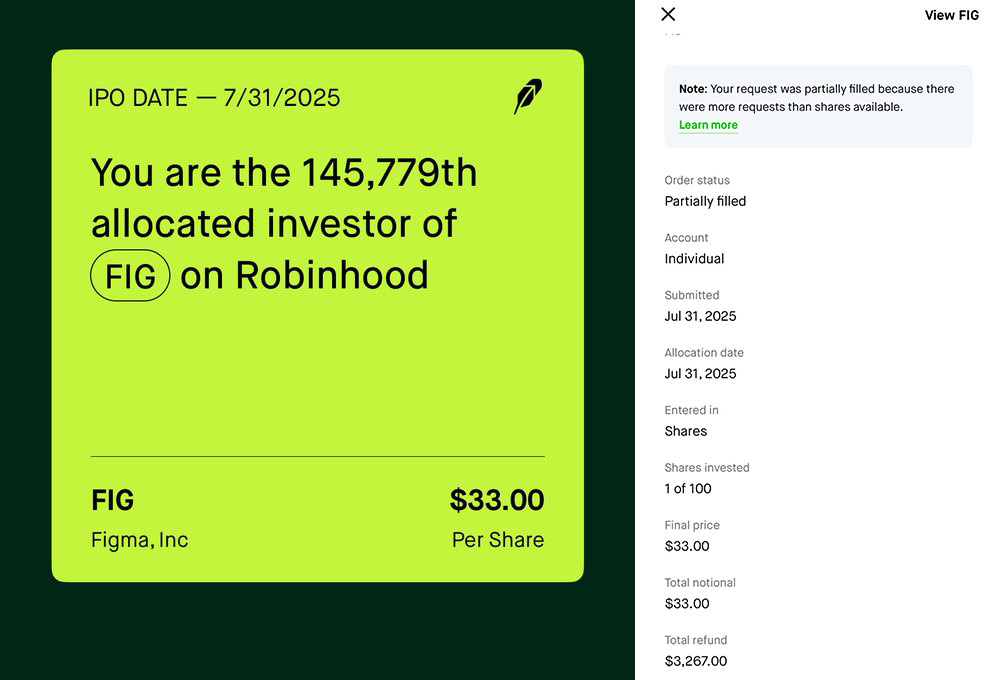
IPOs like this often dip post-hype; Figma's down 26% from its $122 high, around $90 now. Patience might yield a better entry.
ELON’S 29B PAY
Tesla's board just handed Elon Musk a 96 million share award valued at around $29 billion (vesting over two years if he sticks as CEO or in a key role), Musk made a blunt threat: he'd shift AI and robotics work (think Optimus bots and Dojo supercomputers) to xAI or elsewhere unless he gets 25% voting control.
"I am uncomfortable growing Tesla to be a leader in AI & robotics without having ~25% voting control."
- Elon Musk
This massive pay package comes amid the ongoing legal limbo of his voided 2018 package and 15% layoffs.
KERING’S SLIDE CITY
Overall, Kering's H1 revenue dipped 16%, with Gucci continuing to pull the group down. Gucci sales dropped 25% as the brand went through its second creative overhaul in three years. Kering is implementing cost-cutting measures like 80 store closures by year-end.
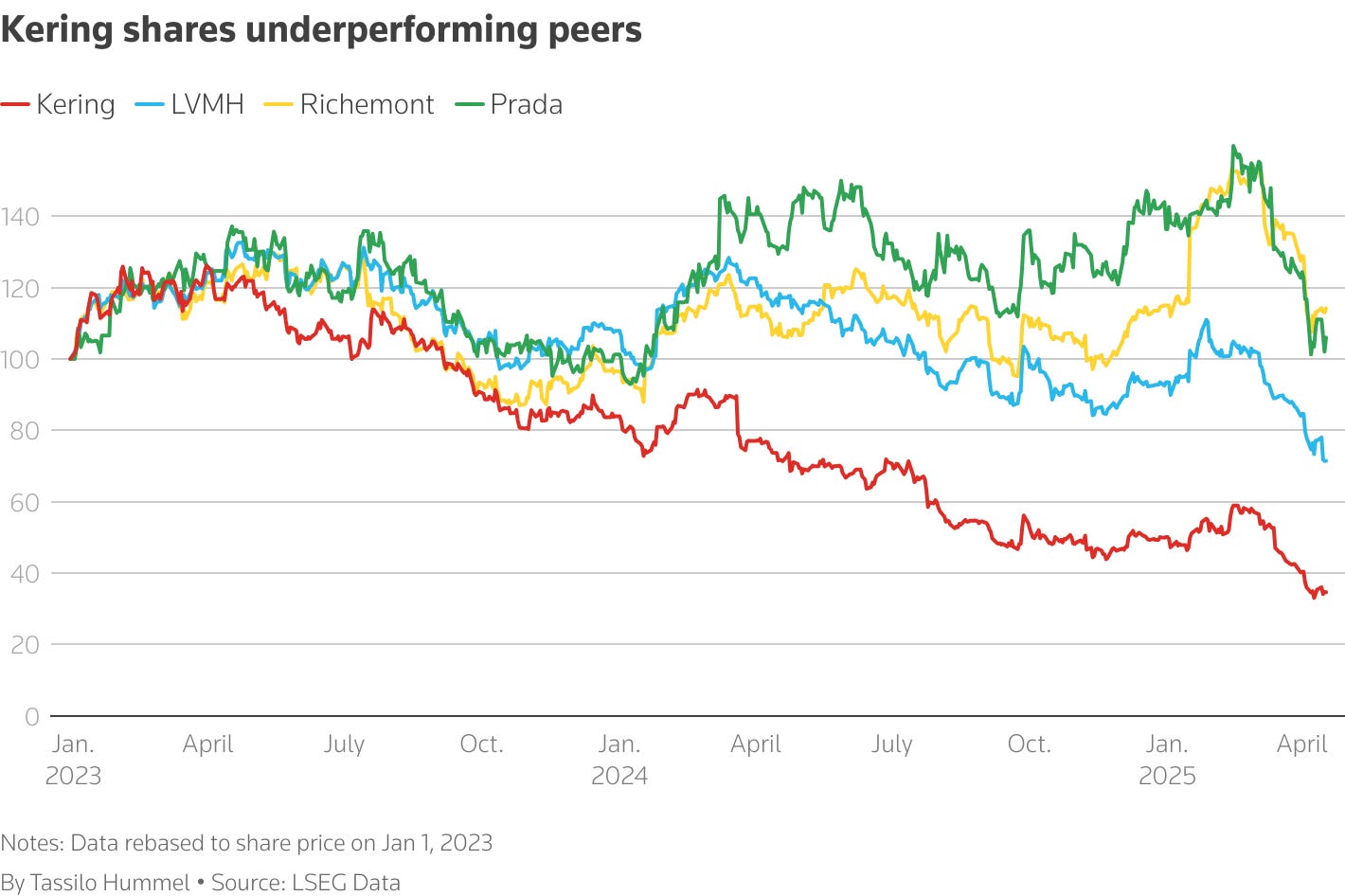
Luxury spending in general is going through a vibe shift (WSJ), especially with younger consumers; sales to Gen Z shoppers fell 7% last year (a $5.7b drop), the sharpest pullback of all generations. Social media has exposed everything from factory conditions, extreme markups, and where its products are actually made. An industry used to tightly controlling the narrative has to adapt to these new flows of information.
"The era of easy luxury growth is over."
Bain forecasts global luxury goods flat to down 2-5% in 2025, but hospitality bucks the trend, outpacing goods with experiential spends up 8-10%.
AMERICA KEEPS SPENDING
Through earnings, we heard from several companies that hold better data than federal agencies (sadly) on consumer spending sentiment and purchasing strength. The good news is that there are lots of positive statements from CEO’s across credit cards and Amazon.
"Consumer spending remains healthy. Supported by low unemployment and wage growth that continues to outpace inflation. This is true across both affluent as well as mass market consumers.
– Mastercard ($MA ) CEO Michael Miebach
"Within the U.S., while spending growth differed among consumer spend bands, all spend bands in Q3 remained resilient and consistent with past quarters…
Both U.S. discretionary and nondiscretionary spend growth remains strong, and we see no meaningful impact from tariffs."
"What we can tell you is what we've seen so far in the first half of the year, in the first half, we just haven't seen diminished demand. And we haven't seen any kind of broad-scale ASP (Average Selling Price) increases. And so that could change in the second half.
There are a lot of things that we don't know, but that's what we've seen so far."
10 BIGGEST COMPANIES PULLING AHEAD OF THE PACK
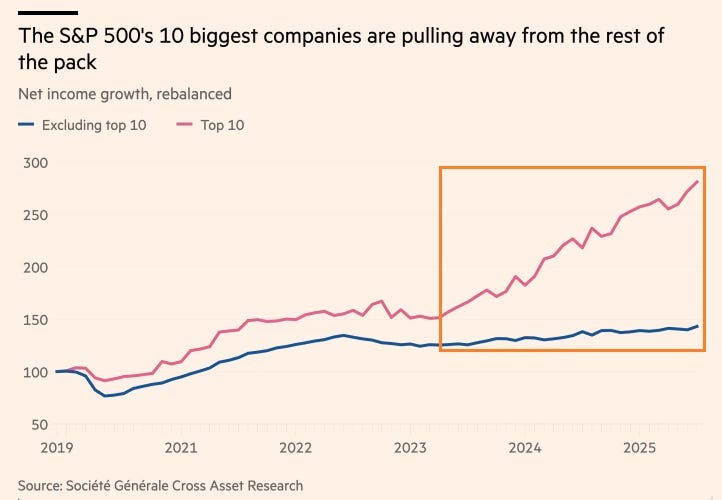
S&P 500 is really 10 v 490. A two-year trend that has the leading 10 companies within the index exponentially outpacing the rest. This is creating a winner-take-all, very zero-sum environment as we concentrate so much capital on so few companies.
The majority of these companies are tech-focused, which are some of the least impacted by tariffs, as digital products are not being tracked and affected in the same way as physical goods. This will continue to exacerbate the gap. Technology and adjacent stocks now make up 55% of the market.
50% of Nvidia employees are now worth over $25 million, and 80% are millionaires.
DEBT INTEREST VS INFRASTRUCTURE
We're shelling out nearly $1 trillion a year in interest on the national debt ($921 billion through June 2025 alone, per Treasury data).
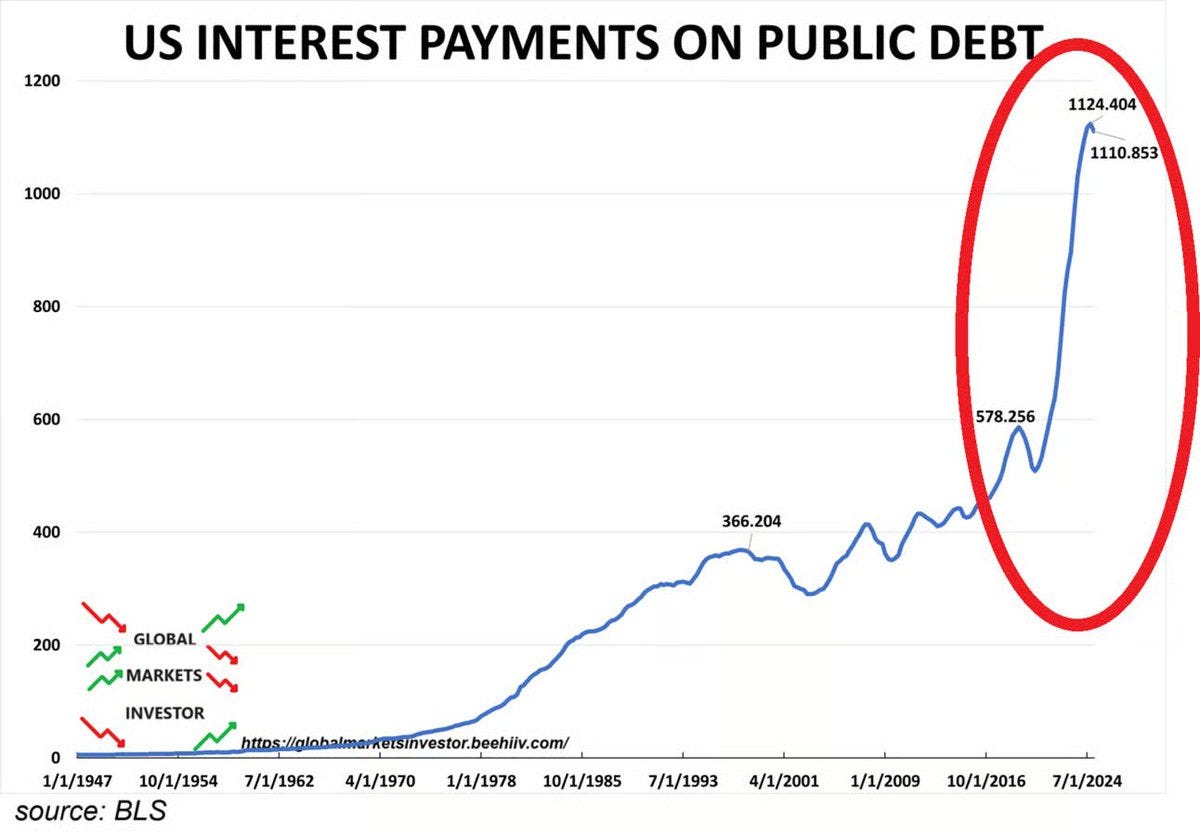
That's a record 3.2% of GDP, funneling tax dollars to bondholders (think China, Japan, pension funds). Compare that to infrastructure, where we spend only about $240 billion annually.
This number has exploded; only five years ago, our annual interest was $406 billion.
TARIFF REVENUE
For all the anger about liberation day, it's not panning out to be the disaster many predicted, yet.
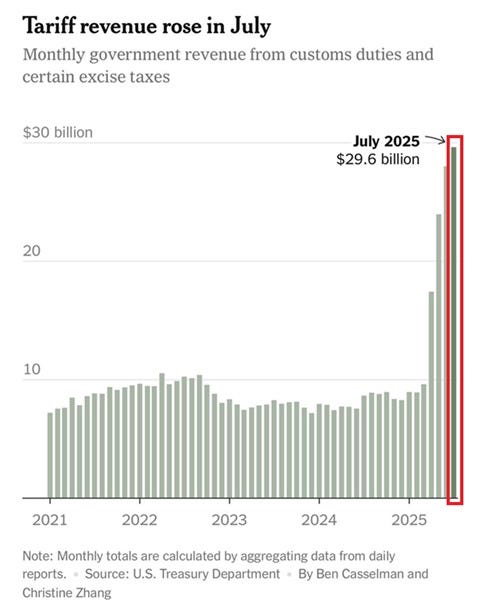
Tariff revenue could reach $308 billion, a $231 billion increase compared to 2024. For perspective, corporate income taxes collected last fiscal year were ~$366 billion.
"The tariffs have brought tens of billions in extra revenue... but the impact so far has been tremors rather than earthquakes."
- WSJ
Our trade gap with China shrank to its lowest in more than 21 years.
According to WSJ, we are seeing the highest revenue in decades.
JAGUAR LAND ROVER CEO RETIRES SUDDENLY
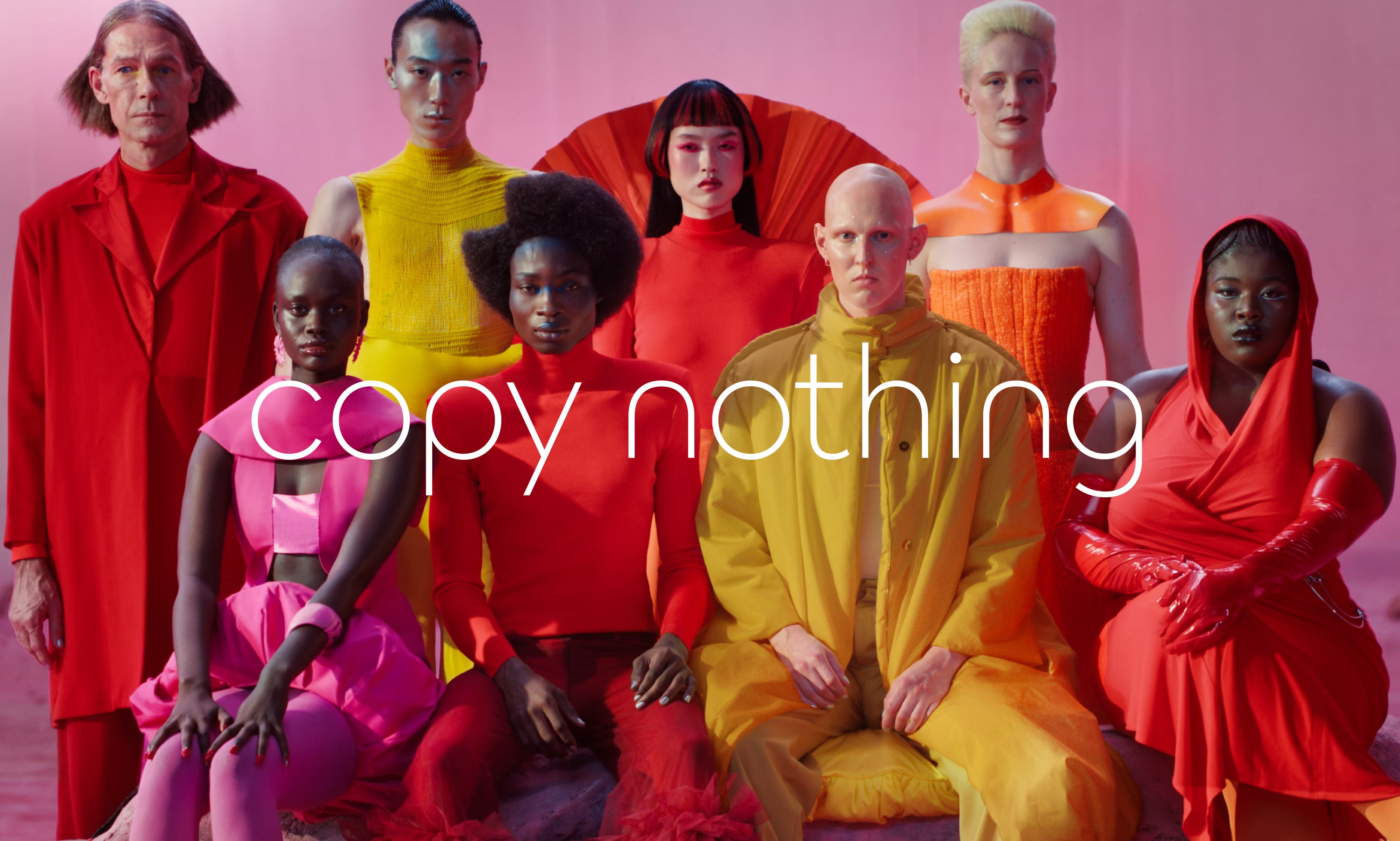
After 35 years at Jaguar Land Rover, including two as CEO, Adrian Mardell is stepping down by year's end, on the heels of the brand's polarizing 2024 rebrand that ignited a firestorm.
Forbes estimates the rebrand fiasco ran north of $50 million in marketing alone, not counting lost goodwill. Autocar broke the news last Thursday that Tata Motors CFO P.B. Balaji will take over in November.
Jaguar’s global sales have cratered, down 45.8% since 2022. In Europe, just 49 Jaguars were registered in April 2025, a 97.5% drop from 1,961 the prior year; that's brutal.
Adweek’s article last year, rounding up an industry’s pro and con response, had some bars:
“A rebrand isn’t just a logo; it’s an emotional statement. And this one feels like it’s been focus-grouped into oblivion.”
“Heritage is a weapon, not a weakness”
- Harry Sandhu, senior creative, JvM London
All of this caused JLR to put its entire creative account up for review. Accenture Song, the incumbent, will have to defend the account against Omnicom, Publicis Groupe, and WPP in what amounts to a four-way shootout.
As one Forbes op-ed put it, executives should learn: rebrands live or die on authenticity, not virtue signaling.
BERKSHIRE POST BUFFETT
The buffet effect is wearing off; Berkshire Hathaway has declined 15% since their peak valuation, which is almost to the day of Buffet’s retirement in May.
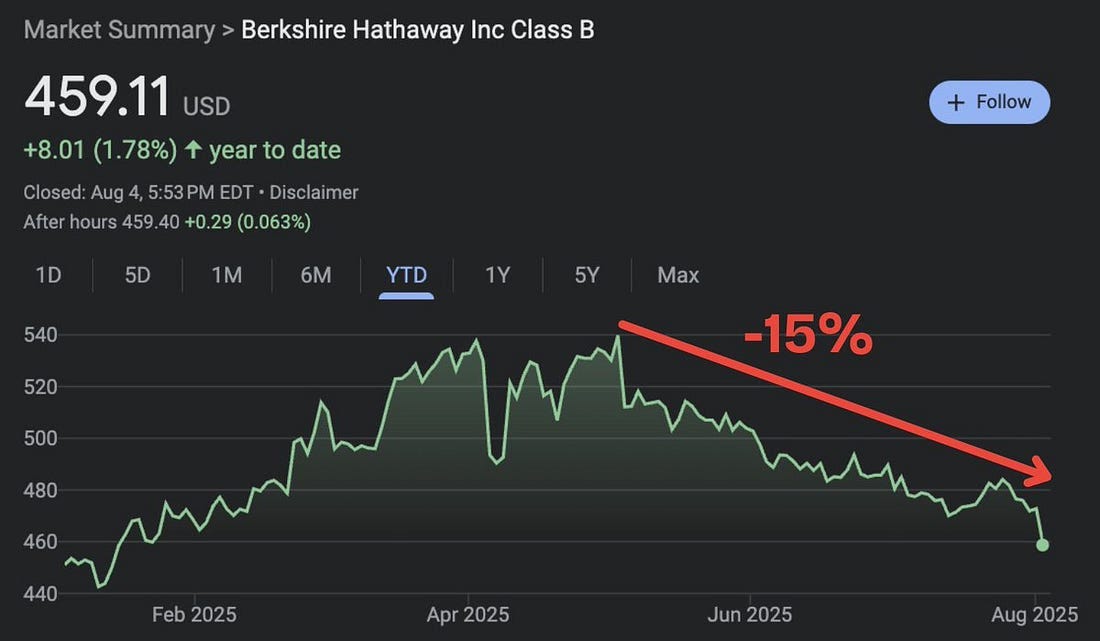
This is a risk-on market; growth stocks like Palantir are surging while value stocks are lagging. Berkshire has underperformed the S&P 500 by 26%
Earnings listed the insurance business as a major weight on performance, as was energy and currency devaluation, hitting their massive cash balance.
They're sitting on a record $347B cash war chest, untouched for deals amid high valuations. Incoming CEO Greg Abel, in a May CNBC interview, stressed continuity: "Producing significant cash flows and sensibly allocating capital is critical to Berkshire's long-term success."
Patience is not paying right now in such a risk-on market.
BITCOIN COULD COME TO RETIREMENT ACCOUNTS VERY SOON
Potentially today. If Trump signs a rumored executive order.
TECH & INNOVATION
ESPIONAGE IN TODAY’S AGE
A modern spy can’t hide. Espionage is as old as time; the Bible mentions it. Spies have existed across cultures from ancient China to Greece and have played pivotal roles in warfare and politics. The craft has always relied on subterfuge and anonymity, two things becoming impossible in the modern age.
I loved this article on the current state of the spy game, when computers can accurately recognize someone based on their gate, the CIA has to develop new tools to counter technology.
COASTAL LIVING LIFE EXTENSION
Live within 30 miles of the coast and live a few months longer, according to a new study. Not all water is created equal; lakes and ponds do not provide similar life extension.
ELON’S TESLA DINNER IS PRETTY ‘MID’

Kinda expected this from him. The food looks trash. The idea of entertaining charging stations is correct, but Elon’s not a hospitality guy; the better play would have been to partner with a best-in-class fast casual titan like Danny Meyer.
NYT’s article on the ‘MID’ vibes of Tesla diner.
NUCLEAR MOON

The U.S. is fast-tracking a nuclear reactor to the Moon by 2030, aiming to beat China and Russia in powering lunar bases.
"We want to get there first and claim that for America."
- Transportation Secretary Sean Duffy
A space race sequel amid Roscosmos's 2033-35 plans.
BOOKS
I try to read one fiction and one non at all times, doing two of the same never works, I get characters mixed up. On the fiction front, I’m 2/3 of the way through Neal Stephenson’s epic, winding, and mesmerizing Baroque Cycle.
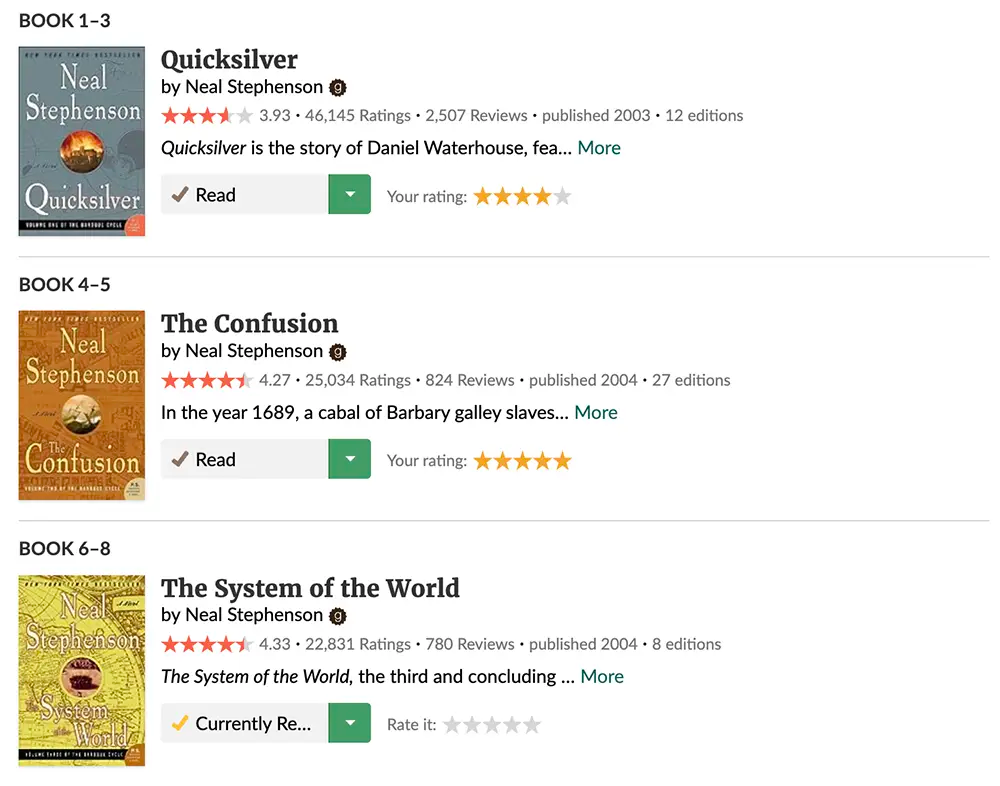
If you want a crash course on the entire state of the world in the late 1600’s, the importance of coinage, pirates, trade, alchemy, gold, scientific discovery, cryptography (the layers of messages in hand written correspondence aka espionage) I could keep going…It’s dense, but one of my favorite pieces of historical fiction hands down. You’ll see a striking similarity between one of the main protagonists and Johnny Depp’s depiction of the pirate Jack Sparrow.
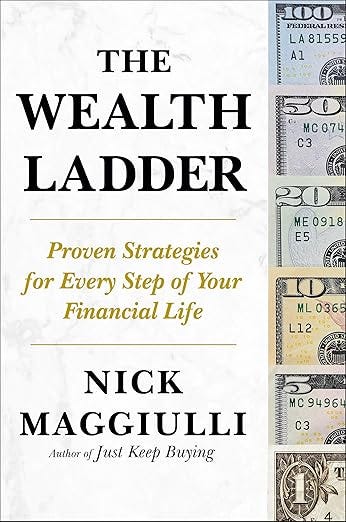
I came across Nick Maggiulli’s The Wealth Ladder on a great episode of Compound and Friends last week. Then it popped up several more times; he’s on a media blitz for this one. The book breaks wealth down into six levels, providing distinct strategies for each tier. It’s currently a NYT bestseller in the advice section.
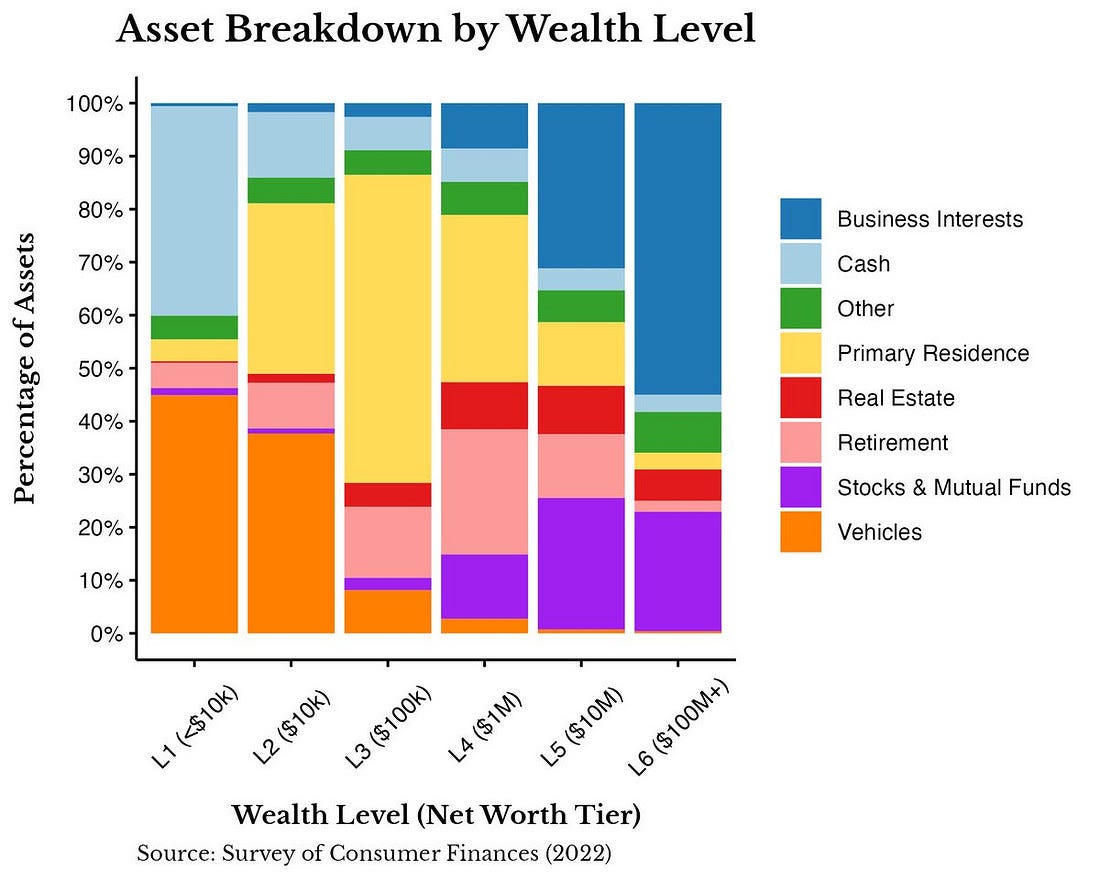
“The poor own cars, the middle class own homes, the rich own businesses.”
There are over 23 million millionaire households in the United States (From 50+, it’s 1 in 4). Nick’s got a great article on ‘The Death of the Amex Lounge: Why the upper middle class isn’t special anymore.’
Toshiko Takaezu: Worlds Within
- That’s it for this week.